







The Real Estate Reality
Let’s start with the most valuable commodity in Mumbai: space. The quintessential Mumbai home is a compact, vertical space. For generations, this didn’t stop families from having pets, but the nature of the pet is changing. While a boisterous Labrador
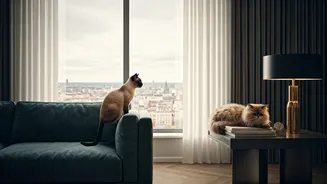
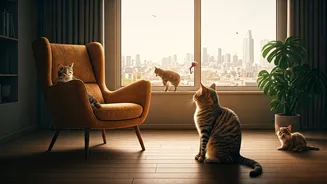
or an energetic Golden Retriever needs room to roam, a cat’s entire world can be a well-appointed one-bedroom apartment. Cats are masters of vertical living, finding joy in a climbing tree or a sunny window ledge. This inherent compatibility with apartment life makes them a far more practical choice for many young professionals and couples living in the city's densely populated neighbourhoods, from Bandra to Borivali. The choice isn’t just emotional; it’s logistical. A happy cat requires less square footage than a happy large-breed dog, and in Mumbai, every square foot counts.
A Market That Now Cat-ers
For years, the Indian pet market was overwhelmingly dog-centric. Aisles were filled with dog food, dog toys, and dog accessories. Cat products were often a small, dusty afterthought. That has changed dramatically. A surge in demand has led to a boom in the feline-focused market. We're not just talking about basic kibble. Today’s cat parents are splurging on gourmet wet food with exotic ingredients, high-tech self-cleaning litter boxes, designer scratching posts that look like modern art, and organic catnip. Veterinary services have also become more specialised, with clinics offering feline-only waiting areas and vets who specialise in cat-specific health issues. This explosion of premium products and services means there are simply more things for cat owners to spend money on. The total spend per dog might still be high due to their size, but the average spend per cat is skyrocketing thanks to this wave of premium-isation.
The Modern, Independent Companion
Mumbai’s work culture is demanding. Long commutes, late hours, and ambitious career tracks leave little time for the high-maintenance needs of a dog, which requires multiple walks, training, and constant socialisation. Cats, with their famed independence, fit more seamlessly into this hectic lifestyle. They don’t need to be walked at 6 am before you rush to catch the local train. They are content with a clean litter box, a full food bowl, and your affection when you finally get home. This isn’t to say they are low-effort pets—they require love, play, and medical care—but their daily routine is less demanding on an owner's schedule. For the time-poor but cash-rich Mumbaikar, a cat offers the perfect blend of companionship and autonomy, making them willing to invest financially in their pet’s comfort and well-being to make up for their physical absence.
The Rise of the 'Cat Parent'
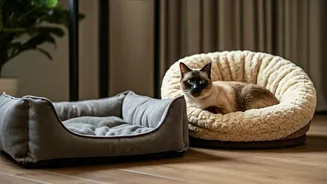
The very language around pet ownership has shifted. People are no longer just owners; they are 'pet parents'. This humanisation of animals means pets are seen as family members, deserving of the best care possible. This mindset is a key driver of increased spending. When you see your cat as your 'baby', you’re more likely to buy it the premium food, the expensive toy, or the plush bed. Furthermore, social media has played a massive role. Instagram is filled with adorable Indian cats with their own follower counts, showcasing a curated lifestyle. Seeing a friend’s cat enjoy a fancy new water fountain or a stylish harness creates a desire to provide the same for one's own pet. This social influence, combined with a genuine emotional connection, has dismantled the old notion of cats as merely feral street animals and elevated them to cherished, and often pampered, members of the family.