



The Reality of Rest
There's often a gap between the idyllic image of waking up to a new landscape and the reality of trying to sleep in a semi-public, constantly moving environment. Light can slice through curtains, conversations can drift from down the corridor, and the temperature
can fluctuate wildly throughout the night. This is where a well-planned sleep kit becomes less of a luxury and more of an essential travel companion. By thinking through your comfort in advance, you can create a small sanctuary that helps your body and brain switch off, ensuring you arrive at your destination refreshed and ready to explore, not groggy and sleep-deprived. The goal isn't just to survive the night; it's to make the journey itself a comfortable and enjoyable part of your adventure.
Mastering the Art of Layers
Controlling your temperature is one of the biggest challenges on an overnight train. The air conditioning can be surprisingly powerful, or a crowded carriage can become stuffy. The solution is not one thick jumper, but multiple, adaptable layers. Start with comfortable, breathable fabrics like cotton or moisture-wicking athleisure wear. Think loose-fitting loungewear, joggers, or leggings and a t-shirt. Over this, add a fleece, a cardigan, or a lightweight sweatshirt that's easy to remove or put on. A large scarf or shawl is an invaluable, multi-purpose item; it can act as an extra blanket for warmth, a pillow in a pinch, or even a privacy screen. Don't forget your feet — a pair of warm, comfortable socks can make a world of difference when the cabin floor gets chilly.
Your Sensory Deprivation Kit
Your two greatest enemies on a night train are unexpected light and unfamiliar noise. A robust sensory kit is your first line of defense. While some train operators may provide basic amenities, personal preference and quality make a big difference. An eye mask is non-negotiable for light sleepers. Look for a contoured model that doesn't press directly on your eyelids, blocking out more light and increasing comfort. When it comes to earplugs, it's worth finding what works for you before you travel. Simple foam earplugs are effective for many, but some travelers prefer reusable silicone or wax versions for a more customised fit. The combination of a good eye mask and effective earplugs can create a personal bubble of darkness and quiet, signaling to your brain that it's time to rest, regardless of the train's activities.
Creature Comforts and Conveniences
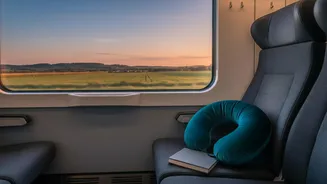
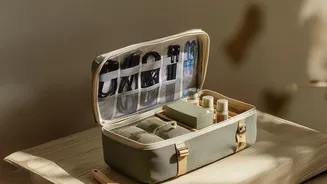
Beyond the absolute essentials, a few extra items can significantly elevate your comfort. Slip-on shoes or sturdy slippers are a must for navigating the train, especially for late-night trips to the bathroom. A travel pillow, whether it's an inflatable neck pillow or a small compressible one, provides crucial support, particularly if you're in a seat rather than a sleeper cabin. It’s also wise to keep a small bag with your core toiletries—like a toothbrush, toothpaste, and face wipes—easily accessible. This avoids having to rummage through your main luggage in a cramped space. Finally, keep a reusable water bottle and some light snacks nearby. Staying hydrated is important, and having a familiar snack can be a small comfort in an unfamiliar setting.
The Pre-Sleep Ritual
Getting good sleep while traveling is as much about psychology as it is about physical comfort. Try to replicate parts of your home bedtime routine, even in a modified form. An hour before you plan to sleep, dim any lights you can control, switch from a screen to a book or podcast, and change into your comfortable sleep layers. Simply the act of changing clothes can signal to your body that the day is over and it's time to wind down. Organize your small space: know where your water is, have your earplugs ready, and ensure your valuables are secure. Creating this sense of order and routine can calm the mind and make it easier to drift off, letting the rhythmic motion of the train lull you to sleep as it carries you toward a new morning.