






What Happens When Soil Drowns
When soil becomes completely saturated with water for a long time, the tiny air pockets that plant roots and beneficial organisms need to survive get filled. This creates an anaerobic (oxygen-free) environment. Without oxygen, plant roots can't perform
their basic functions of absorbing water and nutrients; they effectively suffocate. This is why plants in waterlogged soil often look wilted, similar to how they appear in a drought. Below the surface, the damage continues. The beneficial bacteria and fungi that form a living ecosystem in healthy soil die off, while harmful anaerobic bacteria begin to thrive, sometimes producing a sour smell. The soil structure itself can break down and become compacted, making it even harder for water to drain in the future.
First Aid: The Critical Role of Aeration
Before you can rebuild, you must reintroduce air. Aeration is the process of creating small channels in the compacted, water-soaked soil. This is the single most important first step, as it immediately allows oxygen to penetrate the root zone again. For a home garden, this doesn't require expensive machinery. Once the very top layer of soil is no longer muddy, you can gently use a garden fork. Push it into the ground about 10-15 cm deep and gently rock it back and forth to create fractures in the soil. This action breaks up the dense, compacted layers, providing pathways for excess water to drain away and for life-giving oxygen to return. This simple mechanical process relieves the immediate stress on plant roots and stops the spread of anaerobic conditions, setting the stage for recovery.
Rebuilding Life with Microbial Inoculants
With oxygen restored, the next step is to revive the soil's microscopic workforce. Floods and waterlogging wash away or kill the beneficial microbes that are essential for plant health. A microbial inoculant is a product containing a concentrated dose of these beneficial microorganisms, such as bacteria (like Bacillus subtilis) and fungi (like Mycorrhizae and Trichoderma). These are not fertilisers; they are living organisms that form a symbiotic relationship with plants. Mycorrhizal fungi, for instance, act as an extension of the plant's root system, helping it absorb more water and nutrients like phosphorus. Trichoderma fungi help break down organic matter, improve soil structure, and can even help suppress harmful pathogens that thrive in wet conditions. Applying these inoculants helps to quickly repopulate the soil with a diverse and healthy microbial community.
A Simple Recovery Plan
Putting it all together, here is a straightforward plan to rescue your garden soil. First, be patient and wait for the surface to dry slightly; working on saturated mud will only increase compaction. Once workable, gently aerate the entire affected area with a garden fork. Immediately after aerating, apply a microbial inoculant according to the product's instructions. These often come in granular or liquid forms that can be scattered or sprayed. To give these new microbes a food source and protect the soil, apply a topdressing of good quality compost or well-rotted manure. This organic matter provides food for the microbes, further improves soil structure, and helps replenish some of the nutrients that were washed away. Avoid using strong synthetic fertilisers at this stage, as stressed plants cannot absorb them efficiently.
Building Long-Term Resilience
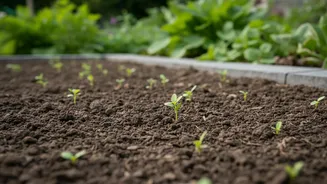
Recovering from waterlogging is also an opportunity to make your garden more resilient to future downpours. The key to long-term health is improving soil structure and drainage. Regularly adding organic matter like compost is the best way to do this. Organic matter acts like a sponge, holding moisture during dry spells but also helping to create a crumbly structure that allows excess water to drain. For particularly low-lying or troublesome spots, consider creating raised beds, which physically lift the root zone above the saturated ground level. By focusing on building a healthy, living soil rich in organic matter, you create a garden that is better equipped to handle both periods of drought and the intense rainfall that is becoming more common.