






First Steps: Assess Your Cabin
Once you board and find your berth, your first priority should be to inspect the cabin door and its lock. Most sleeper bus cabins have a simple sliding door with a basic latch or a small bolt. Check how sturdy it feels. Is it flimsy? Does it engage properly?
Some newer or premium services might have better locks, but many are rudimentary and can be easily opened from the outside. Understanding what you’re working with is the first step. Don't assume the provided lock is sufficient. This initial assessment will help you decide which of your own security measures to use. Choosing a reputable bus operator from the start can often mean better-maintained and more secure cabins.
Bring Your Own Lock
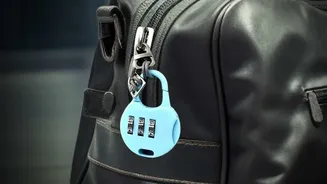
The most effective way to secure your cabin is to not rely on the default lock at all. Always carry your own portable security devices. A simple, good-quality padlock can often be used to secure the latch, making it much harder to tamper with. For a more robust solution, consider a portable door lock or door jammer. These devices are designed for travellers and can be installed in seconds without tools. The 'Addalock' is a popular type that inserts into the door frame, providing a strong barrier. A door jammer braces against the floor, using physics to prevent the door from being pushed open. These compact gadgets fit easily into a small bag and offer significant peace of mind.
Secure Your Luggage Intelligently
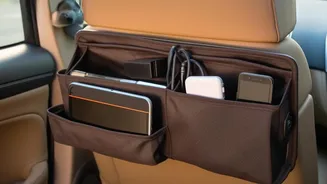
Securing the cabin door is only half the battle; you also need to think about your bags. Never leave valuables like your wallet, phone, passport, or electronics in your main luggage stored in the bus's hold. Keep these essentials in a small daypack or crossbody bag that stays with you in your berth at all times. Ideally, you should sleep with this bag, using it as a pillow or keeping it tethered to your body. For the bag inside your cabin, you can use a small cable lock or even a simple lanyard to tie it to a fixed part of the berth. This makes a quiet grab-and-run theft much more difficult while you are asleep.
Choosing Your Berth Wisely
Your safety is also influenced by where you are on the bus. When booking your ticket, try to select your berth strategically. Many regular travellers prefer a lower berth in the middle of the bus, as it provides the smoothest ride and is away from the noise of the engine and the glare of headlights. Upper berths can offer more privacy, as fewer people walk past. Avoid berths right next to the main exit door if possible, as this area sees the most foot traffic. Some bus services offer women-only seating sections, which can be a great option for solo female travellers seeking extra security.
Stay Vigilant During Stops
Overnight buses make several stops for meals or restroom breaks, often in the middle of the night. These are prime times for opportunistic theft. Always be extra cautious during these stops. If you get off the bus, take your valuables with you. If you stay on board, ensure your cabin door is secured from the inside. Be aware of who is getting on and off the bus. It’s wise to be friendly but reserved with fellow passengers; avoid sharing too much personal information. Trust your instincts—if a situation or a person makes you feel uncomfortable, take steps to increase your distance or alert the bus staff.