





Indian travellers are looking for more than just a vacation; they want an experience. This search for authenticity is reshaping the tourism landscape, moving away from predictable hotels and towards the immersive world of homestays.
The Search for Deeper Connection
For years, travel in
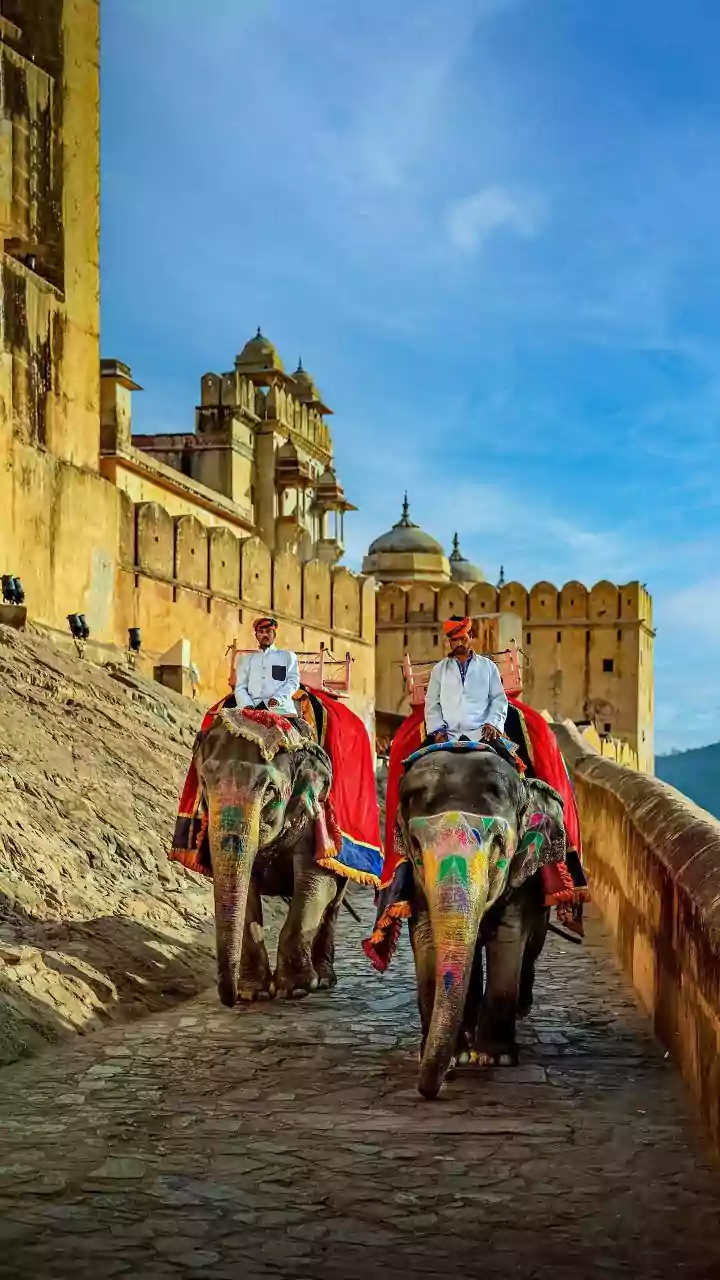
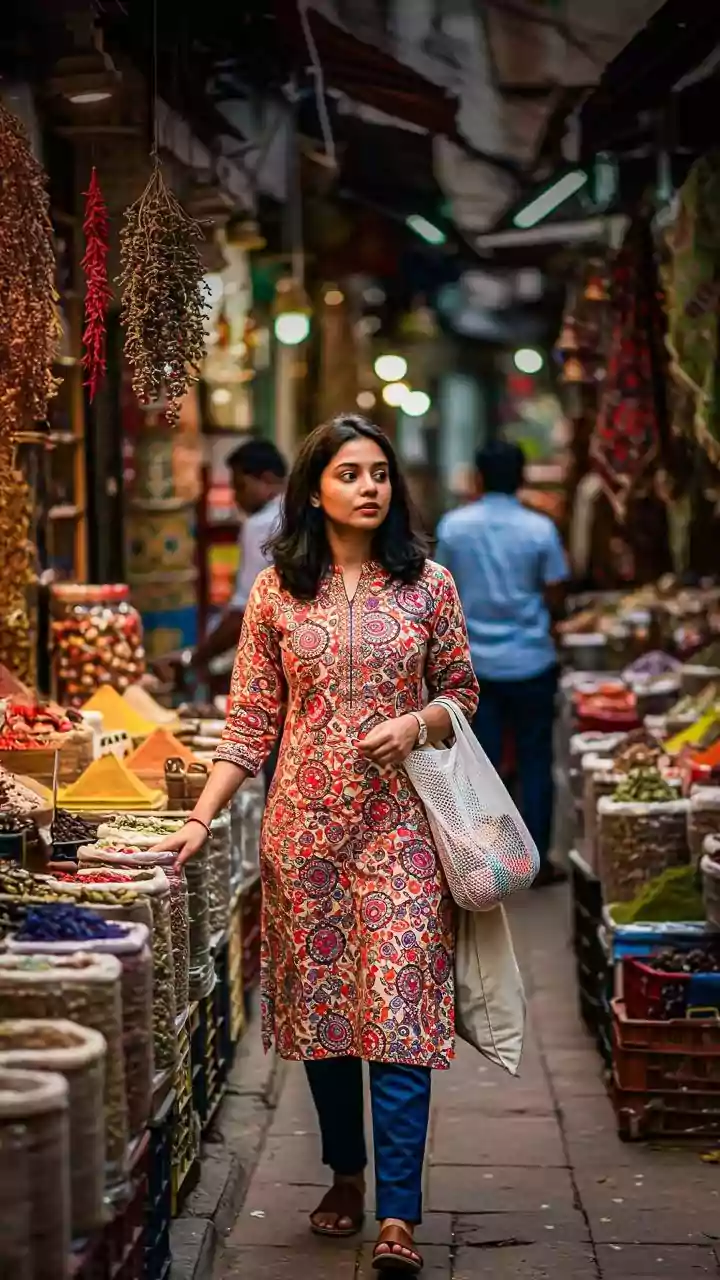
India often meant following a well-trodden path of monuments, crowded tourist spots, and standardized hotel rooms. Today, however, a significant shift is underway. Modern travellers, particularly millennials and Gen Z, are increasingly seeking more than just a picturesque backdrop for their photos; they crave genuine connection, cultural immersion, and meaningful memories. This desire has fuelled the rise of experiential travel, where the goal is not just to see a place but to become a part of it. Instead of checklist tourism, travellers want to learn a local craft, understand regional traditions, or share a meal with a family, turning a simple trip into a transformative experience.
More Than Just a Room to Stay
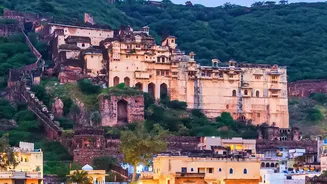
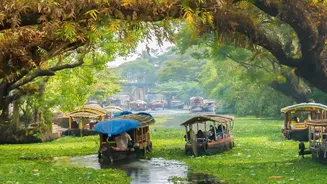
The modern homestay is far from just a spare room in someone's house. It has evolved into a curated experience that hotels struggle to replicate. Imagine learning the art of Rajasthani cooking in a 250-year-old haveli, helping with the harvest on an organic farm in Kerala, or discovering hidden trails in the Himalayas on the advice of your host. These are not just activities; they are invitations into a local way of life. Hosts often act as cultural ambassadors, sharing stories and insights that no guidebook can provide. A recent report highlighted that 85% of travellers choose such alternative accommodations for these authentic local experiences. This makes the stay itself a central part of the adventure, not just a base for exploration.
An Economic Lifeline for Local Communities
The impact of this trend extends far beyond the individual traveller. Homestays are becoming a powerful engine for socio-economic development, especially in rural and remote areas where traditional job opportunities are scarce. By opening their homes, local families gain a sustainable source of income, which directly benefits the grassroots economy. This model empowers micro-entrepreneurs and creates a ripple effect, supporting local artisans, farmers, and small businesses. It also helps address the accommodation shortage in many emerging tourist destinations, providing capacity in a scalable and low-cost way. In essence, choosing a homestay is an act of responsible tourism that helps preserve cultural heritage by making it economically viable.
Technology as the Great Connector
The rise of homestays has been significantly accelerated by technology. Digital platforms and online booking sites have revolutionised the sector, making it easier than ever for travellers to discover and book unique properties across the country. These platforms give visibility to hosts in remote locations who were previously invisible to the larger market. With a few clicks, a traveller in a metro city can book a stay in a tribal village in Bastar or a heritage home in a quiet Punjab hamlet. This digital bridge connects a global audience hungry for authenticity with local hosts ready to share their world, democratizing the tourism industry and putting power back into the hands of the community.