






Why Sugar Clumps in the First Place
Before diving into the solution, it's helpful to understand the problem. Granulated sugar is hygroscopic, which means it naturally attracts and absorbs water molecules from the surrounding air. [11] When humidity is high, sugar crystals become damp and sticky,
causing them to fuse together. As the moisture eventually evaporates, these clumps harden into solid blocks, making the sugar difficult to scoop and measure accurately. [11] This is a common issue in pantries, particularly in climates with significant temperature and humidity swings. Proper storage in an airtight container is the first line of defence, but sometimes, even that isn't enough to completely ward off moisture. [18, 24]
An Unlikely Hero: The Humble Clove
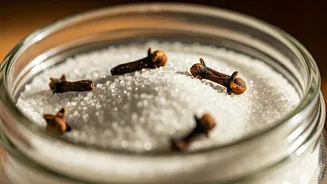
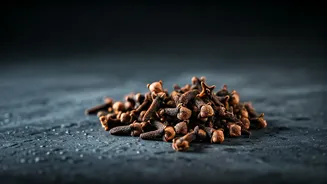
Enter the humble clove, or *laung*, a staple in every Indian kitchen. This aromatic spice is celebrated for its culinary and medicinal properties, but its usefulness extends to pantry management. The idea of dropping a few dried cloves into a sugar jar is a time-tested home hack, passed down through generations. [6] This trick promises a dual-action benefit: it helps absorb excess moisture to prevent clumping and its strong aroma acts as a natural deterrent for common pantry pests like ants. [2, 6]
How Cloves Tackle Dampness and Pests
Cloves, like many dried spices, have desiccating properties, meaning they can absorb ambient moisture. While not as powerful as commercial silica gel packets, placing a few cloves in your sugar container creates a drier micro-environment, reducing the likelihood of clumping. [2] Beyond moisture control, the real power of cloves lies in their potent aroma, which comes from a compound called eugenol. [9] This scent is pleasant to us but repulsive to many insects, especially ants and weevils. [1, 5] Ants rely on scent trails to navigate, and the strong smell of cloves effectively masks these trails, leaving them confused and discouraging them from invading your sugar supply. [6, 9] It’s a simple, non-toxic way to safeguard your sugar. [1]
Getting Started: The Right Way to Use Cloves
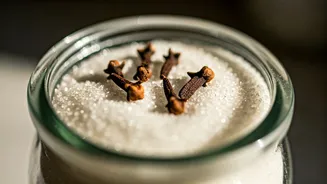
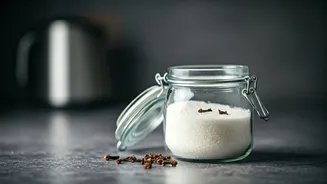
Implementing this hack is incredibly simple. For a standard one-kilogram sugar jar, start by dropping in 4 to 5 whole, dried cloves. [6] Ensure the cloves are dry and of good quality for maximum effectiveness. Simply place them on top of the sugar or mix them in gently. It’s important to store the sugar in an airtight container to prevent both moisture and pests from getting in in the first place. [11, 23] The cloves act as an additional layer of protection inside the jar. You may need to replace the cloves every few months, or when you notice their aroma has faded, to maintain their repellent qualities.
Will It Flavour Your Sugar?
A common concern is whether the potent cloves will infuse the sugar with their flavour. When using just a few cloves in a large quantity of sugar, the flavour transfer is minimal to negligible. However, if you are particularly sensitive to the taste, you might notice a very subtle spicy note over time. [4, 12] This faint aroma can actually be a pleasant addition to tea, coffee, or desserts like kheer or carrot cake, where a hint of spice is often welcome. [14, 15] If you prefer your sugar to remain completely neutral for all uses, you might want to consider other methods or simply use the clove-infused sugar specifically for beverages and sweets.
Other Natural Tricks for Dry Sugar
Cloves are an excellent tool, but they aren't the only natural solution for clumpy sugar. For severe humidity, you can try a few other kitchen staples. Placing a small cloth pouch filled with a tablespoon of uncooked rice grains in the container works well, as rice is a fantastic desiccant. [2, 7] A single saltine cracker or a piece of dry bread placed on top of the sugar can also absorb excess moisture, though these should be replaced periodically to prevent them from becoming mouldy or stale. [8, 11] Another effective option is a terracotta sugar saver, a small piece of fired clay that, when baked dry, pulls moisture from its surroundings. [7]