




Why Low-Tension Styling Matters
Before jumping into the styles, it's crucial to understand why 'low tension' is more than just a buzzword. Hairstyles that pull continuously on the hair follicles can lead to inflammation, breakage, and even a type of hair loss called traction alopecia.
This condition, caused by repeated mechanical stress on the scalp, often starts with thinning around the hairline and temples. Low-tension styles distribute pressure evenly, reducing strain on your follicles and promoting a healthier environment for hair to grow. They help retain length by minimizing breakage and protect the fragile ends of your hair, all while being more comfortable to wear.
Prep Your Hair for Success
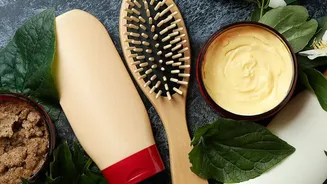
The foundation of any great twist style is well-prepped hair. Start with a clean, conditioned, and detangled base. Working on damp hair often yields the best results. Apply a leave-in conditioner to lock in moisture, followed by a styling cream or mousse that provides a soft hold without making hair stiff. This preparation not only makes the twisting process smoother but also ensures your final style is hydrated, defined, and less prone to frizz when you take the twists out.
The Classic Two-Strand Twist
The two-strand twist is a timeless and versatile protective style. To keep it low-tension, the key is in the grip. Start the twist securely at the root but avoid pulling the scalp tight. Section your hair to your desired size—larger sections for chunkier twists, smaller for more definition. Split a section into two strands and twist them around each other from root to tip. For volume, twist loosely down the length of the hair, only tightening slightly at the very end to secure it. When you're ready for a twist-out, gently unravel the dry twists and use a pick to fluff only at the roots to maintain definition while boosting volume.
Elegant and Easy Flat Twists
Flat twists are a fantastic option that lies flat against the scalp, similar to a cornrow but created with a two-strand technique. They are known for being gentle on the hairline and quick to install. To begin, part a row of hair. Take a small piece at the hairline, split it into two, and begin twisting. As you twist along the parted row, gradually add small amounts of hair to each strand, keeping your hands close to the scalp. The secret to low tension is to avoid pulling the hair tight as you gather it. Flat twists can be worn as a full style or used to create a beautiful, defined wave pattern in a twist-out.
Chunky Twists for Maximum Volume
If big hair is your ultimate goal, chunky twists are your best friend. This style uses larger sections of hair, which not only speeds up the styling process but also creates a fuller look. When twisting, maintain a firm but gentle grip, ensuring the twists are secure but not pulling at the scalp. Because the sections are larger, the weight is distributed over a wider area, reducing tension. After wearing the twists, the resulting twist-out will feature bigger, fluffier waves. For even more lift, you can gently separate the twists underneath your top layer of hair; this adds volume at the base without creating frizz on the visible surface.