



A New, Faster Route to the Coast
Getting to the coastal Union Territory of Daman from Delhi has historically been a lengthy affair, often involving a 15-hour train ride or a flight to a nearby city like Surat followed by a long road transfer. However, that has changed with Alliance Air
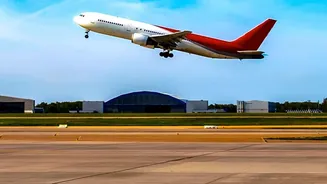
launching direct, non-stop flights from Delhi's Indira Gandhi International Airport (IGI) to Daman's NAMO Airport. The new service cuts the total journey to just under three hours, transforming a strenuous overland trip into a quick flight. This development makes spontaneous weekend trips to Daman's beaches and Portuguese-era forts a practical reality for Delhiites for the first time. The flights are currently scheduled twice a week, on Mondays and Wednesdays. While a ticket costs more than the train, the significant saving of over 10 hours in travel time presents a valuable proposition for many travellers.
Why Frequency is the New Travel Essential
While the existence of a direct flight is a great start, the headline's core idea points to a more nuanced factor: frequency. The initial schedule of two flights per week is a game-changer, but for a destination to become truly integrated into the travel circuit, frequency is key. More frequent flights—ideally daily—offer unparalleled flexibility. They allow business travellers to make quick, one-day trips and give leisure travellers the freedom to plan short getaways without being constrained by a rigid, twice-weekly schedule. Frequent, reliable service means travellers can easily adjust plans, extend a stay, or cut a trip short if needed. It also provides a crucial buffer against disruptions; if one flight is cancelled, the next available option is just hours away, not days.
How More Flights Change Travel Psychology
The availability of multiple flights transforms a destination from a 'once-in-a-while' plan into an accessible, low-commitment option. When travel requires a full day of transit, it becomes a major undertaking. But when a flight is just a few hours long and runs daily, the mental barrier to planning a trip shrinks. A destination feels closer and easier to manage. This is particularly true for weekend getaways. A Friday evening departure and a Sunday night return become possible only with high-frequency schedules. The current two-flights-a-week schedule for Daman is a significant first step, but an increase in frequency would likely cement its place as a go-to short-haul destination from the capital. This shift also impacts local economies, as a steady stream of visitors is more beneficial for hotels, restaurants, and tour operators than sporadic arrivals.
Discovering Daman: More Than Just a Beach
With accessibility now vastly improved, what awaits travellers in Daman? The Union Territory, which along with Diu has long been a popular escape for those in neighbouring Gujarat and Maharashtra, offers a unique blend of attractions. Its Portuguese colonial past is evident in the imposing St. Jerome Fort and the Moti Daman Fort, which encloses an entire administrative district within its walls. The region is known for its serene beaches like Jampore and Devka, lined with palm trees. Beyond the coastline, the area offers a slower pace of life, distinct churches, and a reputation for excellent seafood, providing a perfect cultural and relaxing breather from city life. The new flight route is expected to significantly boost Daman's tourism sector by opening it up to a massive new market of travellers from North India.
Boosting Regional Connectivity
The Delhi-Daman route is part of a broader push to enhance regional air connectivity across India. By linking smaller cities and territories directly to major hubs like Delhi, the government's initiatives aim to integrate these regions more closely into the national economic and tourism network. For Delhi's IGI Airport, the addition of Daman marks its 90th domestic destination, making it the only airport in India with direct flights to 32 of the country's 36 states and Union Territories. This not only benefits tourists but also facilitates business travel to important manufacturing centres in and around Daman, known for industries like pharmaceuticals, plastics, and engineering. As these routes mature, travellers will increasingly look beyond just the flight's existence and start factoring in its frequency when making their plans.