








Beyond Just Having a Pet
For years, the conventional wisdom has been that pet ownership is good for you. It's a comforting thought: the mere presence of a furry friend can ease loneliness and improve health. However, recent studies suggest this is only half the story. The true
benefits don't just come from your pet living under your roof; they blossom from your active, focused engagement with them. Think of it like a friendship. Having a friend is wonderful, but the relationship only deepens and becomes truly supportive through shared experiences, conversation, and connection. Similarly, the bond with a pet strengthens through interaction, and research shows this is where significant mental and physical health perks lie.
The Science of Connection
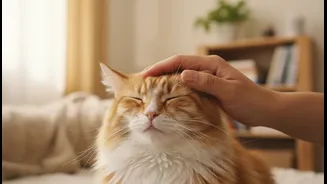
When you actively play with, cuddle, or even just gently stroke your pet, something remarkable happens inside your brain. These positive interactions trigger the release of oxytocin, often called the 'love hormone'. This is the same hormone that facilitates bonding between a mother and child. Studies show that when owners and pets interact positively, oxytocin levels rise in both, fostering a deep sense of connection and well-being. This hormonal hug does more than just make you feel good; it actively counters stress. The release of oxytocin helps lower blood pressure, slows your heart rate, and reduces levels of the stress hormone, cortisol. So, that calming feeling you get when you cuddle your cat or dog is backed by powerful brain chemistry.
What Quality Interaction Looks Like
So, what does 'quality interaction' mean? It’s about being present and engaged. It's the difference between occasionally patting your dog while scrolling on your phone and dedicating 15 minutes to an enthusiastic game of fetch. Quality interaction can be many things: a brisk walk where you are attentive to your dog's sniffing and exploring; a session with a feather wand for your cat that mimics hunting; or a calm grooming session where you focus on the tactile sensation and your pet's comfort. Even talking to your pet in a gentle voice can strengthen your bond. These activities provide mental and physical stimulation for your pet and are a powerful form of mindfulness for you, pulling you into the present moment and away from daily worries.
A Two-Way Street of Benefits
The focus on interaction isn't just for your benefit. When pets receive consistent, positive engagement, they are happier, healthier, and better behaved. A bored pet is often a destructive or anxious one. Regular playtime provides a necessary outlet for their energy, preventing issues like excessive barking, chewing, or scratching. It also provides crucial mental stimulation, keeping their minds sharp and engaged, which is especially important for indoor or senior pets. This creates a positive feedback loop: a happy, well-behaved pet is more enjoyable to be around, which encourages you to interact with them more, further strengthening your bond and multiplying the benefits for both of you.
Small Changes, Big Rewards
In our busy lives, the idea of adding another 'task' can feel daunting. But incorporating quality interaction doesn't have to be a chore. Start small. Set aside just 10-15 minutes a day for focused, device-free playtime. Integrate interaction into your existing routine: turn feeding time into a fun puzzle by using a food-dispensing toy. During your evening TV time, make a point to actively cuddle or groom your pet. Even short, affectionate sessions of touch and verbal reassurance can make a huge difference. These small pockets of connection, woven throughout your day, are what truly build the powerful, health-boosting bond that makes pet companionship one of life's greatest joys.