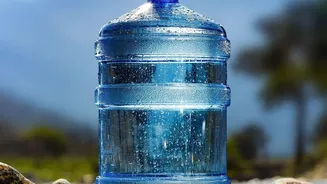









A Growing Thirst for Trust
The Indian bottled water market is experiencing massive growth, with some estimates projecting its value to reach over USD 9 billion by 2032. This surge isn't just about convenience; it's deeply rooted in rising health consciousness and concerns over the
quality of tap water. As consumers become more aware of waterborne diseases, the demand for safe, reliable drinking water has skyrocketed. This trend, once concentrated in urban upper-class households, has now trickled down to the middle and lower-middle classes, making packaged water a staple rather than a luxury. This shift has created a fertile ground for brands that can guarantee purity, pushing retailers of all sizes to respond to the customer's quest for safety.
The Seal of Safety: What 'Certified' Means
When a water bottle is 'certified', it typically means it adheres to standards set by the Bureau of Indian Standards (BIS). Packaged drinking water falls under the mandatory BIS certification scheme, specifically the IS 14543 standard. This isn't just a sticker on a bottle; it’s a guarantee that the product has passed a rigorous quality control process. This process involves inspections of the manufacturing plant, verification of the purification process, and laboratory testing of water samples to ensure they are free from harmful microbiological and chemical contaminants. For consumers navigating a market where counterfeit products are a real concern, the ISI mark provides a crucial layer of trust, assuring them that the water they are drinking is safe and has been processed according to national standards.
The Kirana's Calculation
For the millions of kirana stores that form the backbone of Indian retail, stocking certified water is a smart business decision. These local shops are deeply integrated into their communities and are highly attuned to shifts in customer demand. As more customers ask for trusted brands like Bisleri, Aquafina, and Kinley, store owners are compelled to stock them to retain loyalty. While unbranded or local options might offer higher margins, the risk of selling substandard or counterfeit products is a major liability. By stocking BIS-certified brands, kirana owners align themselves with quality and safety, which builds customer trust—a vital currency in neighbourhood retail. This move also allows them to cater to a broader customer base, including transient populations and tourists who rely on recognisable, safe options.
Navigating a Crowded Market
The decision to stock certified brands also helps kiranas navigate an increasingly complex and competitive market. The bottled water industry in India is vast and includes a large unorganised sector, where quality can be inconsistent. Reports have frequently highlighted the issue of fake bottled water, where counterfeiters refill old bottles or use lookalike branding to deceive customers. This poses a significant health risk. For a small retailer, the reputational damage from selling a counterfeit product that causes illness could be devastating. By prioritising certified water from established distributors, kirana owners protect their customers and their business, ensuring they are part of a legitimate and reliable supply chain.
The Bigger Picture
The growing presence of certified water in small retail stores is more than a simple inventory update. It reflects the formalisation of a key segment within the fast-moving consumer goods (FMCG) sector. It shows that consumer awareness around health and safety is powerful enough to influence the supply chain from the ground up. This trend also signals a challenge for local, uncertified producers who must now either invest in meeting BIS standards or risk being pushed out of the market. While this shift ensures safer products for consumers, it also raises important conversations about the environmental impact of plastic bottles and the need for sustainable packaging solutions, a challenge the entire industry is now facing.