


Understanding Karats: What '24K' Really Means
The term ‘karat’ is a measure of gold's purity, based on a scale of 24 parts. When a piece is labelled 24K, it means it is 24 out of 24 parts gold, or 99.9% pure. It’s the most vibrant, intensely yellow form of gold you can get. By contrast, lower karats
are alloys, meaning pure gold has been mixed with other metals like copper, silver, or zinc. For instance, 22K gold, often called '916 gold', contains 91.6% pure gold, with the remaining 8.4% consisting of strengthening alloys. Similarly, 18K gold is 75% pure gold. These added metals are not just for cost-saving; they play a crucial role in the jewellery's performance.
The Purity vs. Durability Dilemma
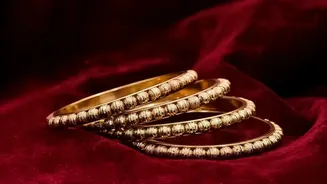
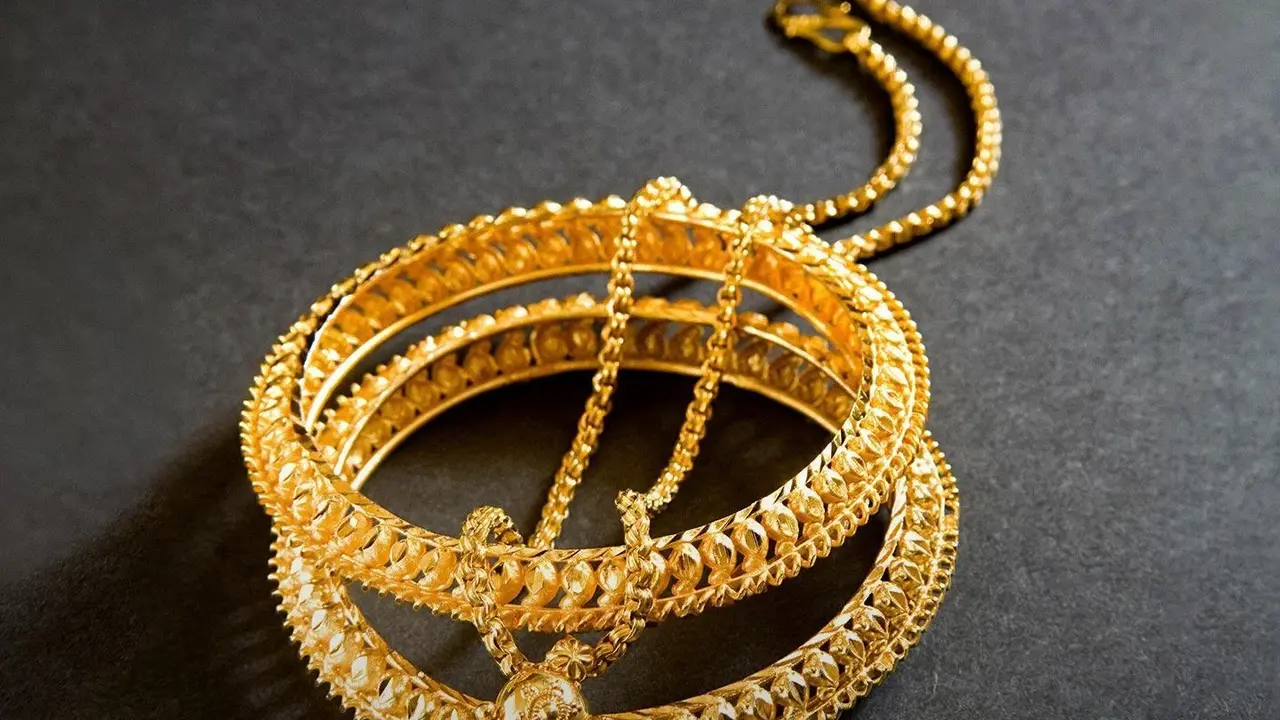
The primary drawback of 24K gold for everyday jewellery is its softness. Pure gold is a highly malleable metal, which means it can bend, dent, and scratch very easily. A 24K ring worn daily would quickly lose its shape, and a delicate chain could warp or break under minor stress. This is why 24K gold is typically reserved for investment-grade items like coins and bars, or for ceremonial pieces worn only on special occasions. The metals added to create 22K and 18K gold significantly increase its hardness and durability. This strength makes alloyed gold far more suitable for items that face daily wear and tear, like bangles, rings, and chains, allowing them to resist scratches and retain their intricate shapes over time.
Cultural Value and Investment Appeal
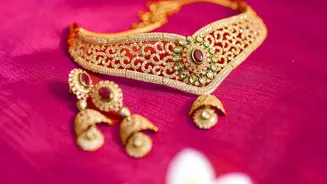
In India, gold is deeply woven into cultural and family traditions, symbolizing prosperity and acting as a store of wealth. 24K gold, being the purest, is often the top choice for investment and is central to festivals like Dhanteras and Akshaya Tritiya. It's viewed as a family asset and is often passed down through generations. While 24K gold holds the highest intrinsic value per gram, 22K jewellery strikes a balance that is highly appealing in the Indian context. It offers high purity and resale value while being practical enough for the grand, ornate designs of bridal and festive jewellery.
Limitations in Design and Craftsmanship
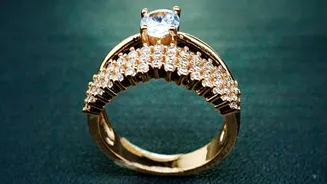
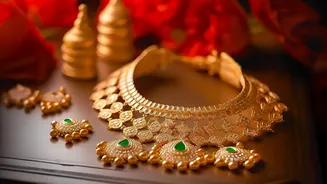
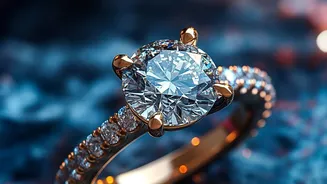
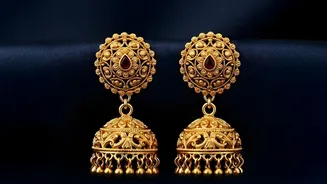
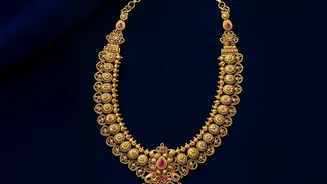
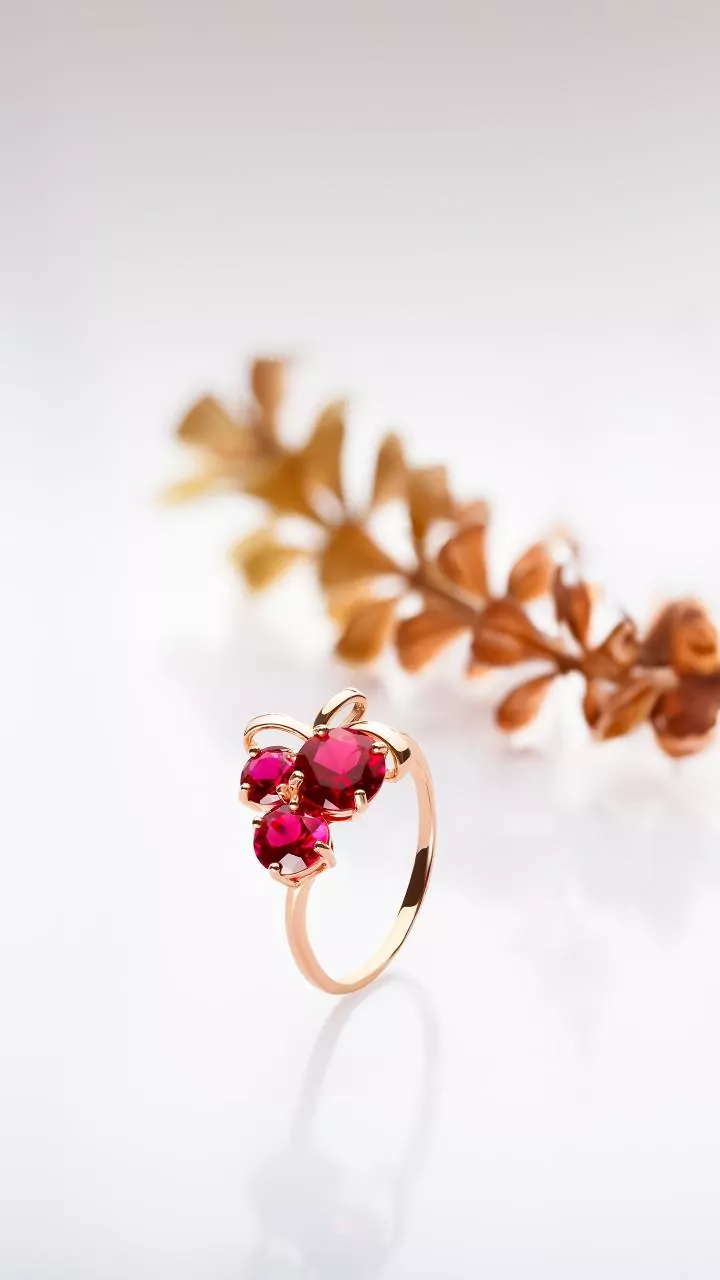
The softness of 24K gold also restricts the complexity of jewellery designs. It is not strong enough to securely hold precious gemstones like diamonds or emeralds, as the prongs could easily bend, leading to the loss of a stone. This is why you'll rarely see intricate, stone-studded pieces made from pure gold. Jewellers prefer 18K gold for such designs, as its 25% alloy content provides the rigidity needed for secure settings and delicate craftsmanship. 22K gold offers a middle ground, allowing for detailed traditional Indian techniques like filigree and temple designs that might be too fragile in 24K.
Making the Right Choice for Your Lifestyle
So, how do you choose? Your decision should ultimately depend on the jewellery's purpose. For pure investment, gold coins or bars in 24K are the undisputed choice. If you're looking for an heirloom piece for very special occasions where durability is less of a concern, 24K might be an option. For everyday wear, however, the choice is clear. A ring, a daily chain, or a pair of earrings will be subjected to constant contact and pressure. For these items, 22K or 18K gold offers the best combination of beauty, value, and resilience. 22K gold is perfect for traditional plain gold jewellery, while 18K is the go-to for diamond and gemstone pieces.