






Upgrade Your Washing Routine
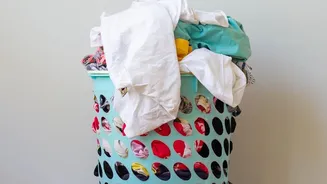
The fight for fresh clothes begins in the washing machine. Don't let damp or sweaty clothes sit in the laundry basket for long, as this encourages mildew growth. Wash smaller loads more frequently to ensure better cleaning and airflow. Using an antibacterial
detergent can also help combat odour-causing bacteria from the start. If you have a machine with a high-spin function, use it—or even run the spin cycle twice. This mechanically removes a significant amount of excess water, giving your clothes a head start on drying. For a natural boost, add half a cup of white vinegar to the rinse cycle to neutralize stubborn odours and soften fabrics.
Master the Art of Indoor Drying
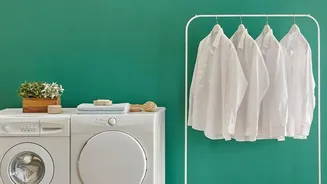
With the sun playing hide-and-seek, indoor drying is often the only option. The key is maximizing airflow. Invest in a good-quality foldable drying rack and hang clothes with ample space between them. Using hangers for shirts and kurtas helps them retain their shape and dry faster. Position the rack in a well-ventilated room, near a window or directly under a ceiling fan to speed up evaporation. For thicker items like jeans, frequent flipping can ensure they dry evenly. If your clothes are dripping wet, let them hang in the bathroom for a while first to get rid of excess water before bringing them into a living space.
Harness the Heat of Your Iron
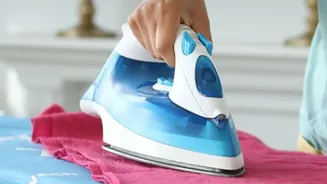
Even when clothes feel dry to the touch, they can retain residual moisture, which is a primary cause of that all-too-familiar musty smell. Ironing is your secret weapon. The heat from a hot iron helps evaporate any lingering dampness, leaving your clothes crisp, bacteria-free, and truly dry. Ironing clothes before putting them away in the closet is one of the most effective steps to ensure they stay fresh until you're ready to wear them. For delicate fabrics, use the appropriate heat setting to avoid damage.
Rethink Your Wardrobe Storage
A packed closet is a breeding ground for mildew during the monsoon. Avoid overcrowding your wardrobe to allow air to circulate between garments. Before storing, ensure every single item is completely dry. If your wardrobe feels damp, consider folding clothes and storing them on shelves rather than hanging them. For special occasion wear, like silks or heavily embroidered pieces, avoid storing them in plastic covers, which trap moisture. Instead, opt for breathable cotton or muslin bags.
Create Your Own Dehumidifiers
You don't need an expensive electric dehumidifier to fight moisture in your closet. Several common household items work wonders as natural moisture absorbers. Place a few pieces of chalk, a small bag of rock salt, or an open bowl of baking soda in the corner of your wardrobe. These materials naturally draw moisture from the air. Silica gel packets, often found in new shoe boxes or bags, are also perfect for this purpose; simply tuck them into corners or pockets. For a fragrant option, camphor balls or neem leaves not only absorb moisture but also act as natural moth repellents.
Keep Your Closet Smelling Fresh
To combat any lingering musty smells, you can add natural fresheners to your wardrobe. Sachets filled with dried lavender or cloves can keep your clothes smelling pleasant. A small bowl of coffee grounds can also absorb bad odours effectively. Another useful trick is to air out your wardrobe regularly. On dry, sunny days, leave your closet doors open for a few hours to allow fresh air to circulate and disperse any trapped moisture and odours. This simple step can make a significant difference in maintaining a fresh-smelling wardrobe throughout the season.