






The 'Refundable' Myth
When booking flights, we often see two main options: a cheaper, non-refundable fare and a pricier, refundable one. The logic seems simple. Pay more, and you get the flexibility to cancel your ticket and get your money back if your plans go awry. While
this is broadly true, the protection a refundable ticket offers is not absolute. Its biggest enemy is the 'no-show' clause, a standard condition in most airline contracts that many travellers overlook. This rule dictates what happens when a passenger neither boards their flight nor cancels their booking within the airline’s stipulated time frame. In most cases, the consequences are severe, often negating the very flexibility you thought you were paying for.
What Is a No-Show Clause?
A no-show clause is a rule that penalises passengers who fail to show up for their flight without prior notification. If you don't cancel your ticket before a specific deadline—typically a few hours before departure—the airline considers you a 'no-show'. When this happens, even on a refundable ticket, the airline can forfeit the entire fare. You may only be eligible for a refund of certain government-mandated taxes and airport fees. According to DGCA regulations, airlines are obligated to refund these statutory taxes even in no-show cases across all fare types. The core issue is that the 'refundable' status is often contingent on you actively cancelling the booking. If you simply don't turn up, the ticket's value can evaporate.
The Domino Effect on Return Journeys
The no-show rule becomes particularly dangerous for round-trip or multi-leg bookings. It's a common, and often costly, lesson for travellers: if you miss the first flight in your itinerary, many airlines will automatically cancel all subsequent flights on the same booking without a refund. For example, if you book a Mumbai-Delhi-Mumbai flight and miss the outbound Mumbai-Delhi leg, the airline is likely to cancel your return Delhi-Mumbai ticket. This policy is designed to prevent practices like 'skiplagging,' where passengers book a cheaper multi-leg flight with the intention of only using one portion of it. Unfortunately, it often penalises passengers facing genuine emergencies or last-minute disruptions who fail to inform the airline in time.
How Indian Carriers Handle No-Shows
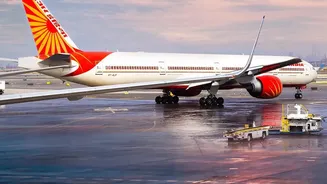
Airlines operating in India have specific cut-off times for cancellations, after which a booking is marked as a no-show. For IndiGo, the deadline is typically three hours before domestic departure and four hours for international flights. If you miss this window, you forfeit the base fare and fuel surcharge, regardless of whether the ticket was refundable. Air India has a similar policy, stating that if a ticket is not changed or cancelled at least two hours before a domestic departure or four hours before an international one, it becomes a no-show, and only taxes are refunded. Vistara also specifies that cancellations within two hours of departure are treated as no-shows, with only taxes being refundable. The key takeaway is consistent across carriers: proactive cancellation is crucial to preserving the value of your ticket.
Your Pre-Travel Protection Plan
Thinking a refundable fare is a blanket insurance policy is a mistake. The real safety lies in understanding and adhering to the airline’s rules. First, always read the fare conditions before booking, paying close attention to the cancellation and no-show policies. Note the exact deadline for making changes. Second, if your plans change, even at the last minute, always contact the airline to officially cancel your flight. Do not just skip it. A cancellation, even if it incurs a fee, almost always preserves more value than a no-show. Third, for multi-leg journeys, never assume you can skip a segment and still use the rest of your ticket. If you need to change your plans, inform the airline to see if the itinerary can be officially modified to avoid automatic cancellation of subsequent flights.