
Not All Iron Is Created Equal
First, it’s important to understand that iron in our diet comes in two forms: heme and non-heme. Heme iron, found in animal products like red meat, poultry, and fish, is easily absorbed by our bodies. Non-heme iron is the type found in plant-based foods,
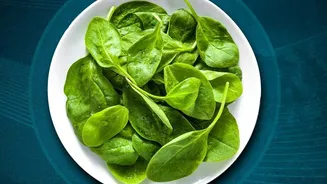
including leafy greens like spinach, as well as beans, lentils, and fortified cereals. While still essential, non-heme iron is notoriously trickier for our bodies to absorb. This is because plants contain natural compounds, such as phytates and polyphenols, that can bind to iron and inhibit its absorption in our gut.
Vitamin C: The Key to Unlocking Plant Iron
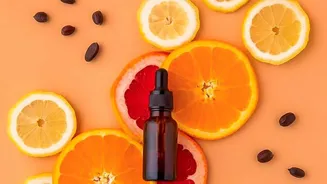
This is where vitamin C, also known as ascorbic acid, comes to the rescue. Think of vitamin C as a key that unlocks non-heme iron, making it available for your body to use. When you consume vitamin C along with a source of non-heme iron, a fascinating chemical reaction takes place. Vitamin C helps convert the iron from its ferric (Fe3+) state into the more soluble ferrous (Fe2+) state. This ferrous form is the one our intestines can readily absorb. Furthermore, vitamin C can form a protective, soluble complex with iron, shielding it from the effects of absorption-blocking compounds like phytates and tannins found in tea and coffee.
Just How Powerful Is This Pairing?
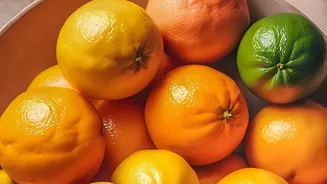
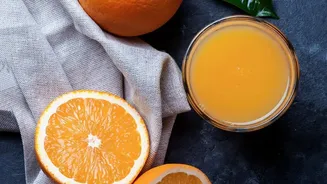
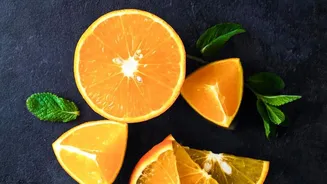
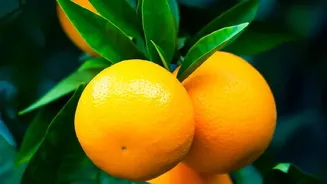
The claim that vitamin C can double iron absorption isn't just a wellness myth; it's backed by substantial scientific research. Studies have consistently shown that vitamin C is one of the most powerful enhancers of non-heme iron absorption. Adding as little as 50-100 milligrams of vitamin C to a meal—roughly the amount in half a bell pepper or a small orange—can increase iron absorption several times over. Some research indicates that this powerful combination can increase the amount of available iron by two to three times, effectively doubling or even tripling your intake from a single meal. This makes the strategy particularly crucial for vegetarians, vegans, and anyone relying heavily on plant-based sources for their daily iron needs.
Beyond the Lemon Squeeze: Smart Food Combinations
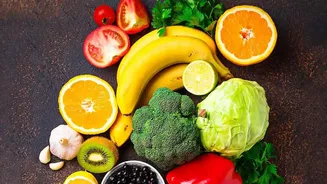
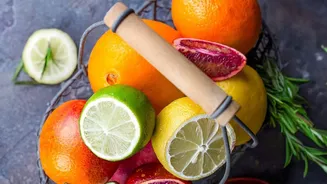
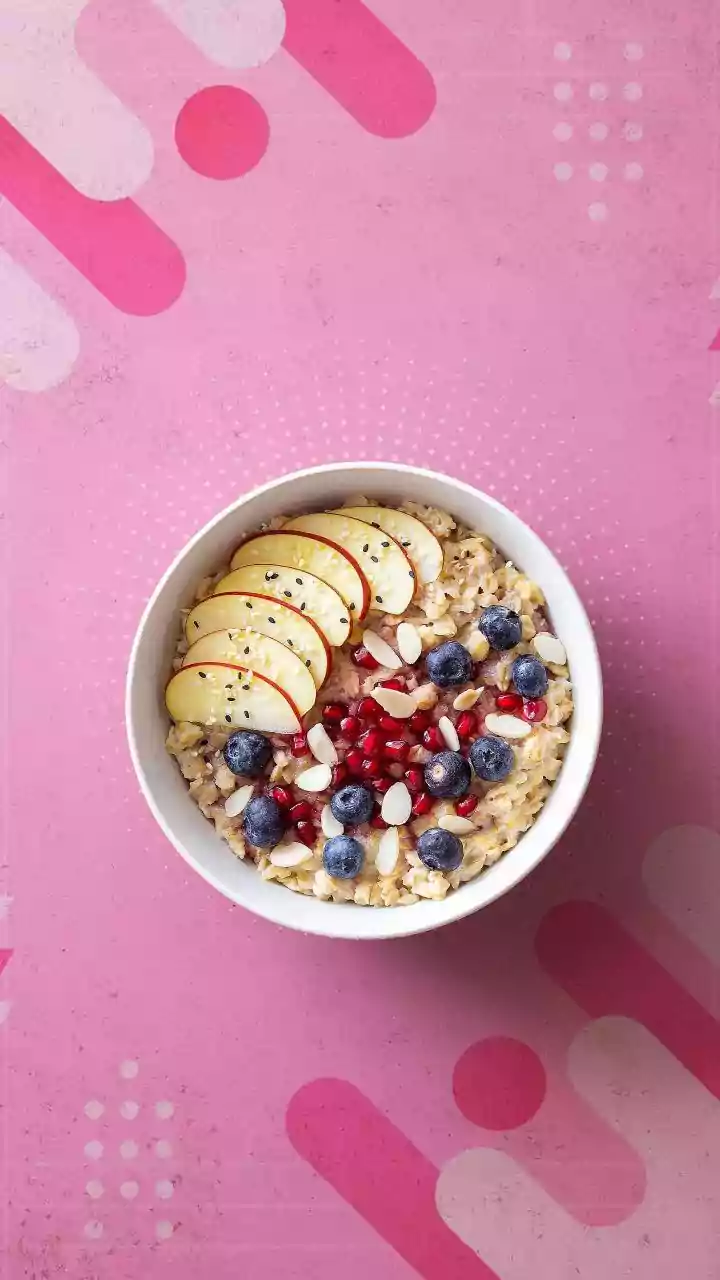
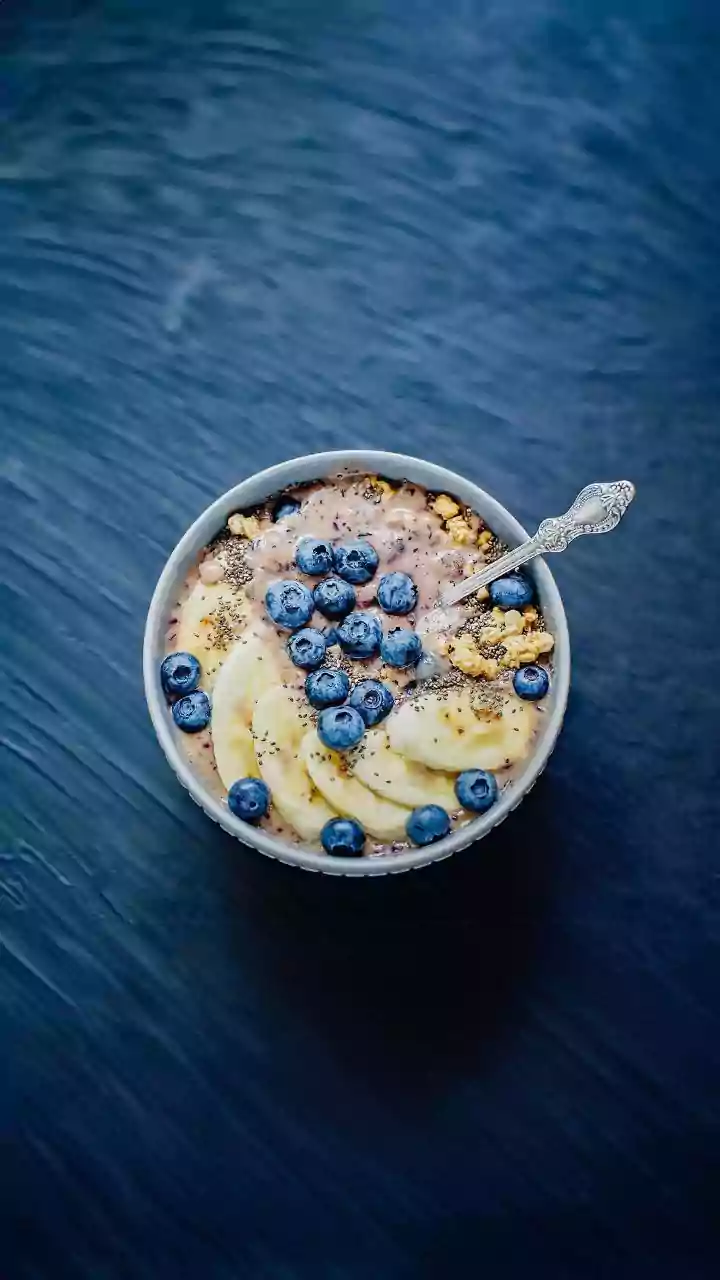
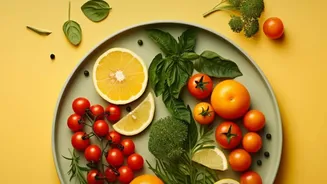
While squeezing lemon or lime juice over a spinach salad is a classic example, there are many other delicious ways to put this principle into practice. The goal is to pair an iron-rich plant food with a vitamin C-rich fruit or vegetable in the same meal. Consider these combinations: - A spinach salad with sliced strawberries and bell peppers. - Lentil soup finished with a swirl of tomato puree. - Oatmeal topped with kiwi fruit or a handful of berries. - A bean burrito with a side of fresh tomato salsa. - Hummus (made from chickpeas) served with slices of red bell pepper. - Tofu stir-fry packed with broccoli and orange segments.
Watch Out for Iron Inhibitors
Just as vitamin C enhances absorption, other common substances can hinder it. The main culprits are polyphenols (specifically tannins) found in coffee and black tea, and phytates, which are present in whole grains, legumes, and nuts. Calcium is another powerful inhibitor that affects both heme and non-heme iron. This doesn't mean you should avoid these foods, but timing can make a difference. To maximize iron absorption from a meal, try to consume coffee, tea, or calcium-rich dairy products at least an hour or two before or after your iron-rich meal.