




The Great Urban Exodus
There's a quiet revolution happening in Indian travel. After months of being confined by heavy rains and the relentless pace of city life, a growing number of travellers are looking beyond the usual metropolitan getaways. Instead of another trip to a bustling
city, they are seeking solace, nature, and authenticity. This trend is driven by a desire to disconnect from digital fatigue and daily routines, swapping traffic jams for forest walks and deadlines for dawns viewed from a mountain perch. Research shows a significant majority of Indian travellers are now open to visiting lesser-known destinations, places that haven’t already saturated their social media feeds. This collective craving for slower, more meaningful experiences is fuelling the popularity of rural homestays, farm stays, and offbeat locales that promise peace and a genuine connection with nature.
Himalayan Highs After the Rains
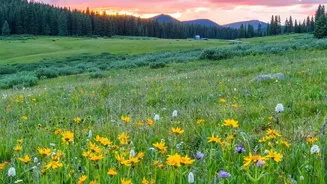
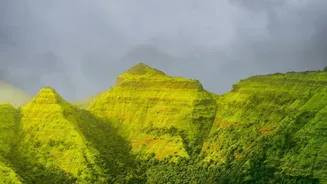
As the monsoon withdraws, the Himalayas become accessible once more, drawing adventurers and peace-seekers alike. With the season's first snowfalls touching the highest peaks, the roads to destinations like Spiti Valley in Himachal Pradesh are clear, offering cool, pleasant weather with fewer tourists. In Uttarakhand, the famed Valley of Flowers National Park is a jewel, though its access can be weather-dependent. Further east, the pristine Ziro Valley in Arunachal Pradesh becomes a paradise for nature lovers with its lush scenery and clear skies. These high-altitude destinations are perfect for trekking, spiritual journeys, and simply soaking in the immense tranquility of the mountains before the harsh winter sets in. However, travellers should remain mindful that the Himalayan environment is fragile, with changing weather patterns and geological risks being a serious consideration.
Lush Life in the Western Ghats and Coast
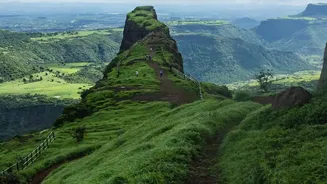
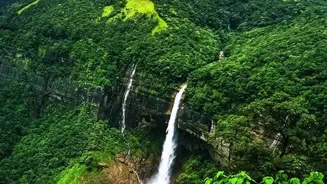
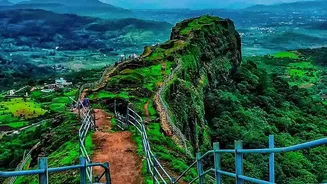
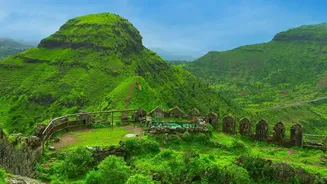
The post-monsoon transformation is perhaps most dramatic in South and West India. The Western Ghats, a UNESCO World Heritage Site, are at their greenest. In Karnataka, destinations like Coorg, Chikmagalur, and the treks around Kudremukh National Park offer breathtaking vistas of misty hills, roaring waterfalls, and vibrant coffee plantations. The air in Coorg carries the scent of wet coffee leaves and damp earth, providing an immersive rainforest-like experience. In neighbouring Kerala, the backwaters of Alleppey and the tea gardens of Munnar turn into a lush, green canvas, ideal for houseboat cruises and serene walks. Further north, hill stations in Maharashtra like Lonavala and Mahabaleshwar become wrapped in fog, their viewpoints offering spectacular sights of cascading waterfalls.
The Search for Inner Calm
This move away from cities is also intertwined with a booming interest in wellness and spiritual tourism. India is being repositioned as a global hub for travellers seeking rejuvenation for the mind, body, and soul. The post-monsoon period is ideal for visiting destinations like Rishikesh, which has seen a massive surge in interest for its yoga and meditation offerings. The wellness tourism market in India is a multi-billion dollar industry, driven by demand for Ayurveda, yoga, and holistic healing. This search for well-being is prompting travellers to choose ashrams, silent retreats, and dedicated wellness resorts over conventional hotels. The trend points towards a deeper need, where a holiday is no longer just about sightseeing, but about personal growth and finding inner peace.