

Why Monsoon Demands Extra Vigilance
While splashing in puddles might be fun for your furry friend, the monsoon season is a peak time for pet health issues in India. The combination of high humidity and constant moisture creates an ideal breeding ground for bacteria and fungi. Paws that
remain damp for too long can develop painful fungal and bacterial infections, sometimes called 'wet paw disease'. These conditions cause redness, irritation, and discomfort between the toes. Furthermore, the damp, dense undergrowth of the rainy season is a favourite hiding spot for ticks and fleas, parasites that thrive in these conditions and can transmit diseases. A simple post-walk routine is not just about cleanliness; it's a crucial preventative health measure.
Your Post-Walk Cleaning Station
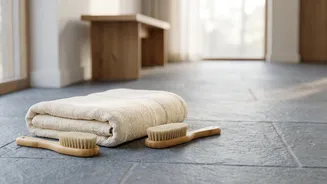
The key to a consistent routine is having everything ready before you even step out of the door. Find a designated spot near your entrance and stock it with a few essentials. You’ll need a highly absorbent microfibre towel, a bowl of clean, lukewarm water, and either pet-safe wet wipes or a soft cloth. Many vets also recommend adding a capful of a pet-safe antiseptic solution to the water for a more thorough clean. Having a special tick-removal tool or a pair of fine-tipped tweezers on hand is also a wise move. Keeping these items together makes the clean-up process quick and efficient, turning a potential chore into a simple, two-minute habit.
The Paw Cleaning Ritual: Step by Step
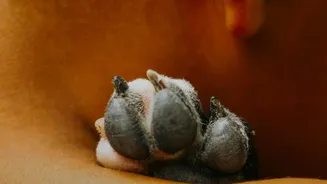
Once back from your walk, guide your dog to a mat to contain the mess. Start by using a towel to wipe off any excess mud and water from their coat and legs. Then, dip each paw into the bowl of clean water, gently working your fingers or a soft cloth between the pads to dislodge any trapped dirt. This is the most critical area, as debris and moisture here are the primary cause of infections. After rinsing, the most important step is to dry the paws thoroughly. Use a dry towel and pay special attention to drying the area between each toe. Trapped moisture is the biggest enemy, so don't rush this part. For long-haired breeds, keeping the fur between their paw pads trimmed short during the monsoon can also significantly reduce mud and water retention.
The All-Important Tick Check
With your dog calm and still during the paw-drying process, it’s the perfect time for a quick but thorough tick check. Ticks are small, spider-like creatures that latch onto a host to feed on blood. They can feel like a small, hard bump on your dog's skin. Run your hands slowly over your dog’s entire body, feeling for anything unusual. Ticks prefer warm, dark, and hidden areas, so be sure to carefully inspect in and around the ears, under the collar, in the 'armpits' of their front legs, between the back legs (the groin area), between their toes, and under their tail. Making this check a daily habit ensures you find any ticks quickly, often before they have had the chance to transmit disease.
How to Safely Remove a Tick
If you find a tick, it's important to remove it promptly and correctly. Using fine-tipped tweezers or a tick-removal tool, grasp the tick as close to your dog's skin as possible. Pull straight upwards with steady, even pressure. Avoid twisting or jerking, as this can cause the tick's mouthparts to break off and remain in the skin. Also, never squeeze the tick’s body, as this can push infected blood back into your dog. Once removed, kill the tick by placing it in rubbing alcohol before disposing of it. Do not crush it with your fingers. Clean the bite area on your dog with a pet-safe antiseptic. A small red bump or nodule at the site is common and can last for a few weeks, but if you're worried or notice signs of illness like lethargy or limping, contact your veterinarian.