







The Need for Speed: Rise of Quick Commerce
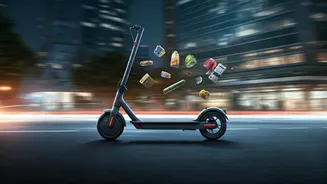
The most dramatic shift in household shopping is happening in minutes—ten to be precise. Quick commerce, or q-commerce, has exploded from a niche service into a dominant force in urban India. Platforms like Blinkit, Zepto, and Swiggy Instamart have conditioned
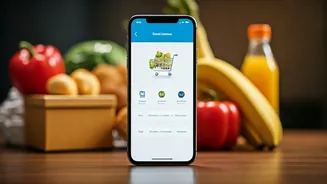
city dwellers to expect groceries, snacks, and even medicines at their doorstep faster than it takes to decide what to watch. This isn't just about impulse buys anymore; it's about outsourcing the weekly grocery run, one 10-minute order at a time. The market, now valued at over ₹40,000 crores annually, has expanded beyond metros, with players like Flipkart Minutes and Amazon Now aggressively pushing into Tier 2 and Tier 3 cities, recording staggering growth. This segment is primarily driven by Gen Z and millennials who value speed and technology, fundamentally altering their relationship with planning and purchasing daily essentials.
‘Set It and Forget It’: The Subscription Boom
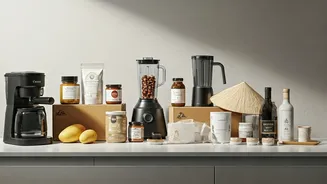
Beyond the instant rush of q-commerce, a quieter but equally powerful trend is taking hold: the subscription box. This model applies the ‘set it and forget it’ principle to a vast array of household needs. From curated beauty products and health supplements to fitness gear and gourmet foods, subscription services offer a blend of convenience and discovery. Companies are tapping into the consumer's desire for personalised experiences, saving them time while introducing them to new products. This trend is particularly popular among tech-savvy consumers who appreciate the curated and predictable nature of recurring deliveries. The Indian subscription box market is growing at over 12% annually, proving that convenience isn't just about speed, but also about reducing the mental load of decision-making for regular purchases.
The Kirana Store’s Fight for Relevance
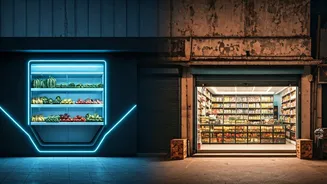
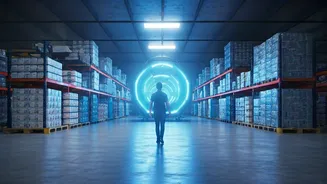
This wave of convenience has sent ripples through the heart of Indian retail: the neighbourhood kirana store. For decades, these small shops have been the cornerstone of household shopping, built on relationships and proximity. Now, they face an existential threat from q-commerce platforms that offer steep discounts and lightning-fast delivery. Many kirana stores have reported a significant drop in foot traffic and sales, with some experts warning that a substantial percentage could shut down if they don't adapt. However, the story isn't over. Many are fighting back by embracing technology themselves, partnering with delivery platforms, or even becoming 'dark stores' or micro-fulfilment centres for the e-commerce giants. Others are doubling down on their traditional strengths: personalised service, community ties, and offering credit—elements that an app cannot easily replicate.
The Hidden Costs of Ultimate Convenience
While life gets easier with every tap and delivery, this new culture of convenience comes with hidden costs. For consumers, the seamless nature of online payments and one-click ordering can lead to a disconnect from their spending. A recent survey found that nearly half of all online shoppers are unaware of how much they are spending digitally, leading to potential budget overruns. The constant availability of discounts and offers, designed to drive impulse buys, can further strain household finances. Beyond the wallet, there are environmental concerns about increased traffic from delivery vehicles and the surge in packaging materials. There's also a psychological toll, as the pressure for instant gratification can shorten attention spans and reduce our capacity for planning, fundamentally reshaping our expectations for how the world should respond to our needs.