





A Cooler, Gentler Approach to Tea
Forget the image of hastily cooling down a hot-brewed tea with ice. The cold brew method is a slow, deliberate process. Tea leaves or herbal infusions are steeped in cold or room-temperature water for an extended period, typically between six to twelve
hours. This gentle extraction process works magic on the final flavour. Unlike hot water, which can rapidly pull out bitter compounds called tannins, cold water coaxes out the more delicate and complex notes of the herbs and leaves. The result is a drink that is remarkably smooth, naturally sweeter, and far less astringent than its hot-brewed counterpart. This makes for an exceptionally refreshing beverage, perfect for sipping during a warm afternoon.
From Hibiscus to Holy Basil
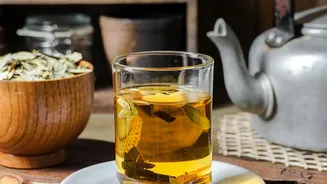
The beauty of cold-brewed herbal tea lies in its versatility. A whole spectrum of flavours is being explored by cafes and home-brewers alike. Bright, tart hibiscus infusions are popular for their vibrant colour and refreshing taste. Calming classics like chamomile and peppermint are also favourites, offering floral notes and a cooling sensation, respectively. In the Indian context, this trend also embraces local botanicals. Ayurvedic powerhouses like tulsi (Holy Basil), lemongrass, and blends featuring ginger are finding a new, modern expression in cold-brewed formats. These tisanes, or herbal infusions, are entirely caffeine-free, making them an ideal choice for hydration and flavour without the risk of a caffeine crash or disrupted sleep.
Why Now? The Wellness Connection
The rise of cold-brewed herbal tea is no accident; it perfectly aligns with a broader shift in urban Indian lifestyles. There is a growing movement away from sugary, processed drinks towards more natural and functional beverages. Consumers are increasingly health-conscious, reading labels and seeking out drinks that do more than just quench thirst. Herbal teas, with their perceived wellness benefits—from calming properties to being rich in antioxidants—fit this demand perfectly. The cold brew method enhances this appeal, as it better preserves some of the heat-sensitive antioxidants found in tea. This trend is part of a larger cultural shift where modern, urban consumers are looking for balance and mindful consumption in their busy lives.
The Cafe and The Kitchen Counter
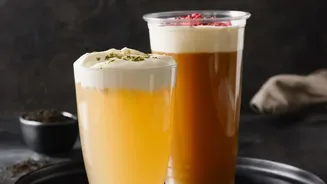
This beverage trend is flourishing in two key spaces: trendy urban cafes and the home kitchen. Across cities like Mumbai, Delhi, and Bengaluru, cafes known for their artisanal coffee and innovative menus are adding cold-brewed teas and tisanes to their offerings. It’s presented as a sophisticated, non-alcoholic option that appeals to a discerning palate. At the same time, the simplicity of the process has made it a popular DIY activity. Making cold brew at home requires no special equipment—just a jar, water, and good quality loose-leaf herbs or tea. A couple of teaspoons of herbs left to steep in a litre of water overnight in the fridge results in a ready-to-drink beverage for the next day. This accessibility is key to its growing popularity, allowing anyone to experiment with their own flavour combinations.