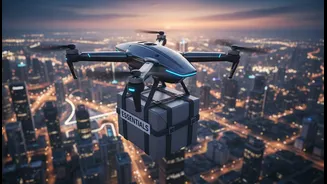









An Industry Built on Speed
Quick commerce, or q-commerce, is the next evolution of online retail, built on the promise of delivering goods to your doorstep in as little as 10 to 30 minutes. Propelled by rapid urbanisation and a growing consumer demand for instant gratification,
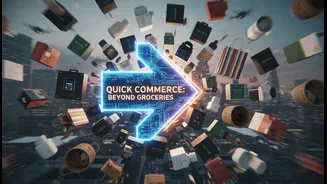
this sector has exploded in India. The market was valued at over USD 3.65 billion in early 2026 and is projected to grow significantly as platforms expand. Major players like Zomato's Blinkit, Swiggy Instamart, and Zepto have become household names, operating a dense network of thousands of 'dark stores'—small, local warehouses designed exclusively for fulfilling online orders at lightning speed. These companies are no longer just delivering groceries; their catalogues have expanded to include electronics, beauty products, and even travel essentials, fundamentally changing urban consumption habits.
The Benefits: Convenience and Job Creation
For the urban consumer, the primary benefit is unparalleled convenience. The ability to get daily essentials in minutes saves time and caters to an increasingly fast-paced lifestyle. This model has also been a significant job creator, particularly within the gig economy. The sector provides employment for hundreds of thousands of people in roles ranging from delivery partners to warehouse staff. For many young people in urban areas, these platforms offer flexible work opportunities and a vital source of income that might otherwise be unavailable. Furthermore, the rise of dark stores has boosted demand for commercial real estate in cities, contributing to local economies.
The Risks: Profitability and People
Despite its rapid growth, the quick-commerce model is fraught with challenges. Profitability remains a major hurdle. The business model relies on high operating costs, including warehouse rent, inventory management, and substantial spending on delivery partner incentives. Many companies have historically burned through cash to acquire customers, and the path to sustainable profits is narrow, depending on high order frequency and achieving positive unit economics. Beyond the balance sheets, there are significant concerns about the welfare of gig workers. The promise of 10-minute deliveries places immense pressure on delivery partners, raising safety concerns. Issues like low pay, lack of job security, and the absence of social security benefits are persistent problems in the gig economy, leading to worker dissatisfaction and shortages.
The Sustainability Question
The environmental impact of q-commerce is another growing concern. The model encourages small, frequent orders, which leads to a surge in last-mile delivery vehicles, contributing to traffic congestion and carbon emissions in dense cities. Excessive packaging, often using single-use plastics to protect items during rapid transit, adds to the mounting waste problem. As India moves towards its climate goals, the sustainability of a model that encourages impulse buying and resource-intensive logistics is being called into question. In response, some platforms have started piloting the use of electric vehicles and exploring more sustainable packaging options, but these remain significant challenges for the industry at large.
The Reader Takeaway
The transition for quick commerce companies is from a mindset of 'growth at all costs' to one focused on long-term viability. This involves shifting focus to profitability by introducing delivery fees, expanding into higher-margin product categories like beauty and electronics, and monetizing through in-app advertising. For consumers, the rise of quick commerce presents a trade-off. The convenience is undeniable, but it is supported by a complex system with significant economic, social, and environmental pressures. Being a conscious consumer means understanding the hidden costs behind the instant delivery of your next order. The future of the industry will likely depend on its ability to balance the promise of speed with the need for sustainability—both for its business model and for the communities it serves.