



The Great Indian Protein Gap
Studies have revealed a significant nutritional gap, with some reports indicating that over 70% of Indians consume inadequate amounts of protein. This isn't about a lack of food, but a lack of balance. Traditional Indian diets, while rich in many nutrients,
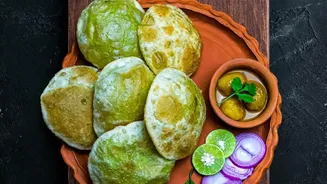
are often heavy on carbohydrates and fats, with protein taking a backseat. A typical daily meal plan consisting of roti, sabzi, and a small portion of dal might only provide around 35 grams of protein, which is significantly below the daily requirement for most adults. The consequences of this long-term deficit are subtle but serious, manifesting as fatigue, poor immunity, hair fall, and slow recovery from illness.
How Much Protein Is Enough?
The Indian Council of Medical Research (ICMR) provides clear guidelines. For a healthy but sedentary adult, the recommended dietary allowance (RDA) is 0.83 grams of protein per kilogram of body weight. This means a person weighing 65 kg needs about 54 grams of protein daily. However, these needs change based on age and activity. Adolescents, who are in a phase of rapid growth, have specific requirements, ranging from 32g to 52g per day depending on their age and gender. Young adults who are physically active or regularly go to the gym need more—closer to 1.4 to 2.0 grams per kilogram of body weight—to aid muscle repair and growth. The key is to understand that protein isn't just for bodybuilders; it's a fundamental building block for everyone.
Power-Packed Pantries: Vegetarian Sources
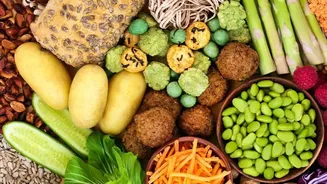
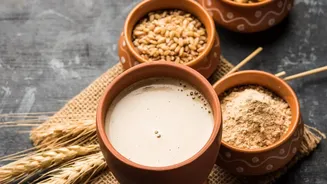
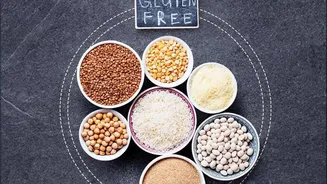
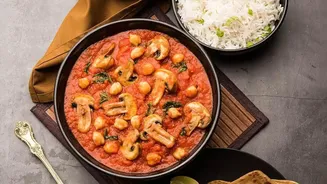
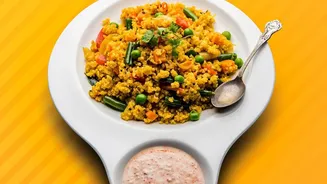
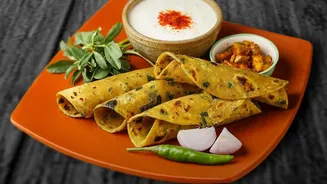
For a large vegetarian population, the good news is that Indian kitchens are already stocked with protein powerhouses. The trick is to combine them effectively. Lentils (dals), chickpeas (chana), and kidney beans (rajma) are excellent sources. For instance, a cup of cooked dal contains about 11 grams of protein, while a cup of chickpeas has around 14 grams. Paneer is another fantastic option, with a 100g serving providing roughly 18 grams of protein. Other valuable sources include soya chunks, tofu, Greek yogurt, nuts, seeds, and millets. A smart strategy is to ensure every meal has a dedicated protein source, rather than relying on the small amounts found in cereals.
The Non-Vegetarian Advantage
For those who eat meat, fish, and eggs, meeting protein goals is often more straightforward. Eggs are a complete protein source, with one boiled egg providing about 6 grams. Chicken, fish, and other lean meats are also dense in high-quality protein, which is easily absorbed by the body. Including these in a balanced diet can quickly help bridge any protein deficiency. The goal remains the same: balance. A plate that includes lean protein alongside vegetables and whole grains is ideal for sustained energy and health.
A Word on Wheels and Powders
The market is now flooded with protein bars, shakes, and powders, with the supplement industry in India seeing massive growth. These can be a convenient way to top up your intake, especially for athletes or those with very high requirements. However, they are not a magic bullet and should not replace whole foods. The ICMR has warned against the indiscriminate use of supplements, pointing out that many contain added sugars, artificial sweeteners, and other additives that can be detrimental to health. Excessive intake can also strain the kidneys in individuals with pre-existing conditions. Before starting any supplement, it's wise to focus on a food-first approach.
Myth-Busting for a Healthier You
Several myths prevent people from getting enough protein. One common misconception is that protein is only for building muscle at the gym. In reality, it is vital for everything from immune function to hormonal balance. Another myth is that a regular dal-roti meal is sufficient. While dal is a good source, you would need to eat several bowls a day to meet your requirement, which is impractical. There's also a fear that high-protein diets harm the kidneys, but for healthy individuals, this is not supported by evidence. Finally, many believe vegetarian diets are inherently low in protein, which is untrue if meals are planned with variety.