







From Concrete Slabs to Green Sanctuaries
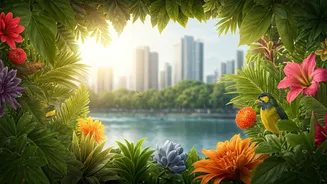
In cities like Delhi, Mumbai, and Bengaluru, where green space is a premium, residents are looking upwards to reconnect with nature. The urban gardening trend, which gained significant momentum during the pandemic lockdowns, has evolved into a conscious
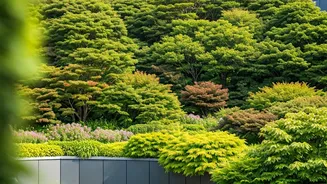
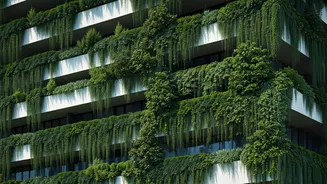
environmental choice. Instead of simply adding a few decorative pots, city dwellers are now curating entire ecosystems on their rooftops and balconies. This shift is driven by a desire for sustainability, a connection to local ecology, and the sheer resilience of plants that belong. A case in point is Aman Sharma, a 23-year-old from Delhi, who transformed his family's terrace into a lush forest with over 500 native plants. His garden now attracts more than 100 bird species and 25 types of butterflies, creating a biodiversity hotspot in the middle of a dense metropolis.
The Wisdom of Choosing Native
The logic behind planting native species is compelling. These plants have evolved over millennia to thrive in the specific soil and climate conditions of their region. This makes them inherently low-maintenance, requiring less water, fertilizer, and pest control compared to exotic varieties. In a country facing challenges like water scarcity, choosing drought-resistant native species is a significant step towards conservation. For example, plants like the Khejri tree in Rajasthan or succulents on a Mumbai terrace are adapted to survive with minimal irrigation. Furthermore, native plants are naturally resistant to local pests and diseases, which reduces the need for chemical pesticides that can harm the environment. Species like Tulsi (Holy Basil) and Neem are not only culturally significant but also act as natural pest repellents.
A Lifeline for Urban Wildlife
Perhaps the most magical outcome of this trend is the return of birds, bees, and butterflies to urban areas. Native plants provide the specific food and shelter that local fauna depends on. Exotic ornamental plants, while pretty, often don't support local insects and birds in the same way. A terrace filled with native flowering plants like marigold, hibiscus, or Parijat becomes a crucial 'stepping stone' in a larger urban ecological corridor, allowing wildlife to move between fragmented green spaces. These gardens function as vital pollinator hotspots, supporting the bees and butterflies essential for a healthy ecosystem. By creating these small havens, gardeners are actively helping to restore the biodiversity that has been displaced by urban sprawl.
More Than Just a Pretty View
The benefits extend beyond ecology. A green terrace has a noticeable cooling effect, mitigating the 'urban heat island' phenomenon where concrete and asphalt make cities significantly hotter than surrounding rural areas. Research suggests rooftop gardens can lower a building's internal temperature, reducing the need for air conditioning. These green spaces also improve air quality by filtering pollutants and sequestering carbon. Beyond the environmental perks, there are profound benefits for human well-being. The act of gardening itself is therapeutic, with many finding it a powerful tool for reducing stress and anxiety. It also fosters a sense of community, with gardeners sharing tips, seeds, and produce online and in their neighbourhoods.
How to Start Your Own Native Terrace
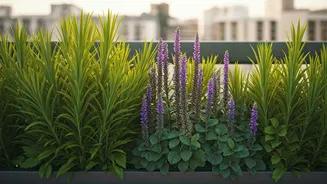
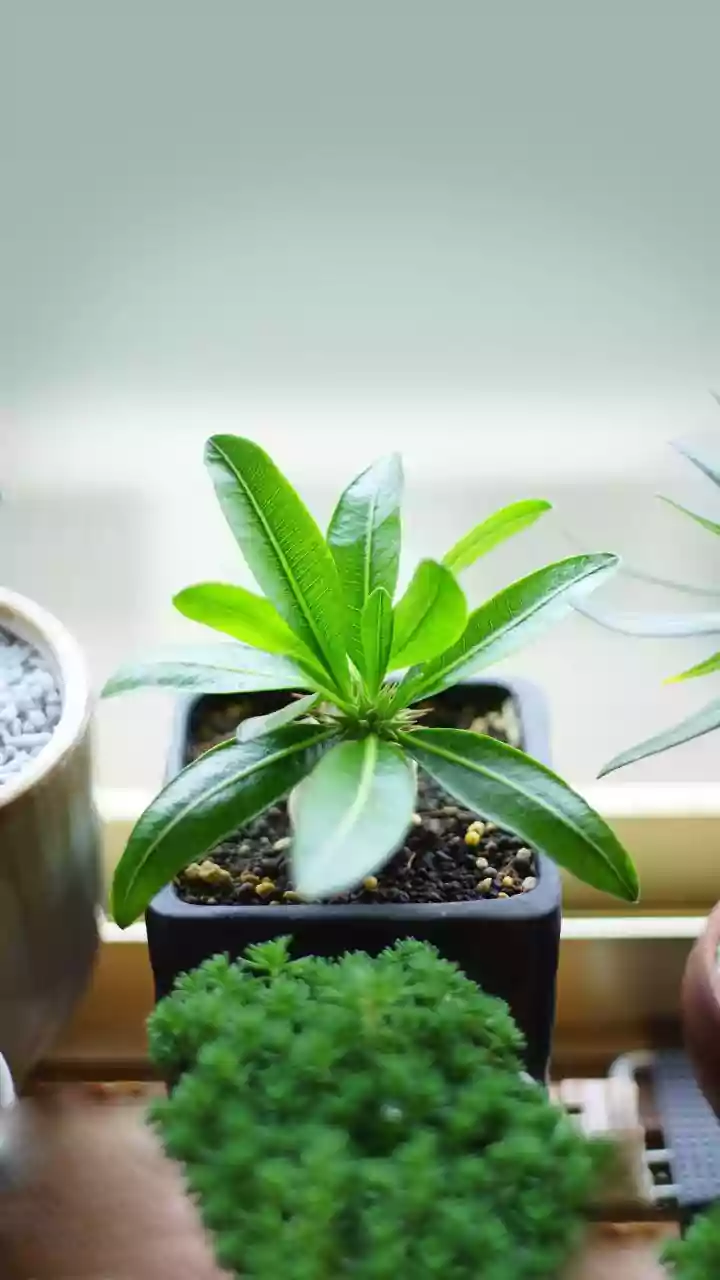
Joining this green movement is easier than it looks. The key is to start small and choose plants suited to your specific region. For humid coastal areas like Mumbai, species like Frangipani, Curry Leaf, and Indian Borage thrive. In drier climates like Delhi, resilient flowers such as Tecomella undulata (Rohida) and Bougainvillea are excellent choices. Many common Indian plants are perfect for beginners, including Tulsi, Aloe Vera, Marigold, and Lemongrass. You can start with a few pots and gradually expand. Local nurseries are increasingly stocking native varieties, and online communities offer a wealth of advice for aspiring urban gardeners. The goal isn't perfection, but participation in a collective effort to make our cities greener and more alive.