



The Challenge of Crowded Destinations
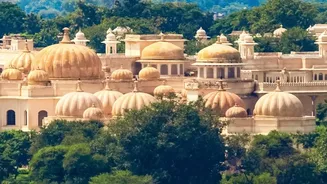
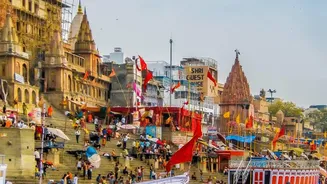
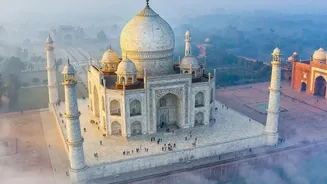
For many Indian travellers, planning a holiday often involves a familiar list of destinations. While beautiful, these popular hotspots frequently suffer from overcrowding, turning a relaxing getaway into a stressful experience. This concentration of tourism
not only diminishes the travel experience but also puts immense pressure on local infrastructure and environments. Meanwhile, countless lesser-known towns, villages, and natural wonders across the country remain overlooked, their unique cultural and economic potential untapped. This imbalance has created a clear need for a new approach—one that distributes tourist footfall more evenly and encourages deeper, more authentic exploration.
A Digital Compass for Modern Explorers
In response, the Indian government is championing a move towards digital tourism. This isn't just about another booking website, but about creating a foundational digital ecosystem. A key recent development is the National Digital Tourism Stack (NDTS), launched on World Tourism Day 2026. This initiative aims to create a unified digital infrastructure for the entire tourism sector. The goal is to make all aspects of travel—from homestays and transport to local guides and cultural attractions—more discoverable, accessible, and trustworthy for travellers. This initiative works alongside campaigns like 'Dekho Apna Desh 2.0', which actively encourages tourists to explore destinations beyond the usual circuit.
How ONDC is Opening Up Tourism
At the heart of this digital transformation is the Open Network for Digital Commerce (ONDC). Think of ONDC not as an app, but as a network that allows different apps and services to talk to each other. For tourism, this is a game-changer. A small, family-run homestay in a remote village or a local guide offering unique walking tours can list their services once and become visible across multiple participating digital platforms. This breaks their dependence on large, commission-heavy booking sites and gives them direct access to a national audience of travellers. For the tourist, it means a much wider array of verified and authentic options appearing in their search results, far beyond the conventional hotel chains and tour packages.
From Code to Countryside: What This Means for You
So, how does this practically change your travel planning? Imagine searching for a weekend trip on a participating travel app. Instead of just seeing hotels in major cities, you might discover a certified homestay in a rural community known for its unique crafts, book a guided trek with a local expert, or buy a ticket for a regional festival you never knew existed. The system is designed to bring together everything from booking ASI monument tickets to finding local events. The Ministry of Tourism aims to bring over 23,000 tourism experiences and homestays onto this digital network by 2028. This AI-first infrastructure is designed to make travel planning more personalised and seamless, eventually leading to a "One ticket, One pass" system for your entire journey.
More Than a Trip, It's a Connection
This shift towards government-backed digital tourism is about more than just convenience. It empowers travellers to make more conscious and impactful choices. By booking directly with local providers on these open networks, more of the money spent goes straight into the local economy, supporting small entrepreneurs, artisans, and communities. It encourages a more sustainable form of tourism that values authentic cultural exchange over mass-market consumption. Finding a place beyond the popular hotspots becomes an opportunity to not only see a new part of India but also to contribute directly to its preservation and growth. It transforms the traveller from a passive consumer into an active participant in a richer, more diverse tourism ecosystem.