
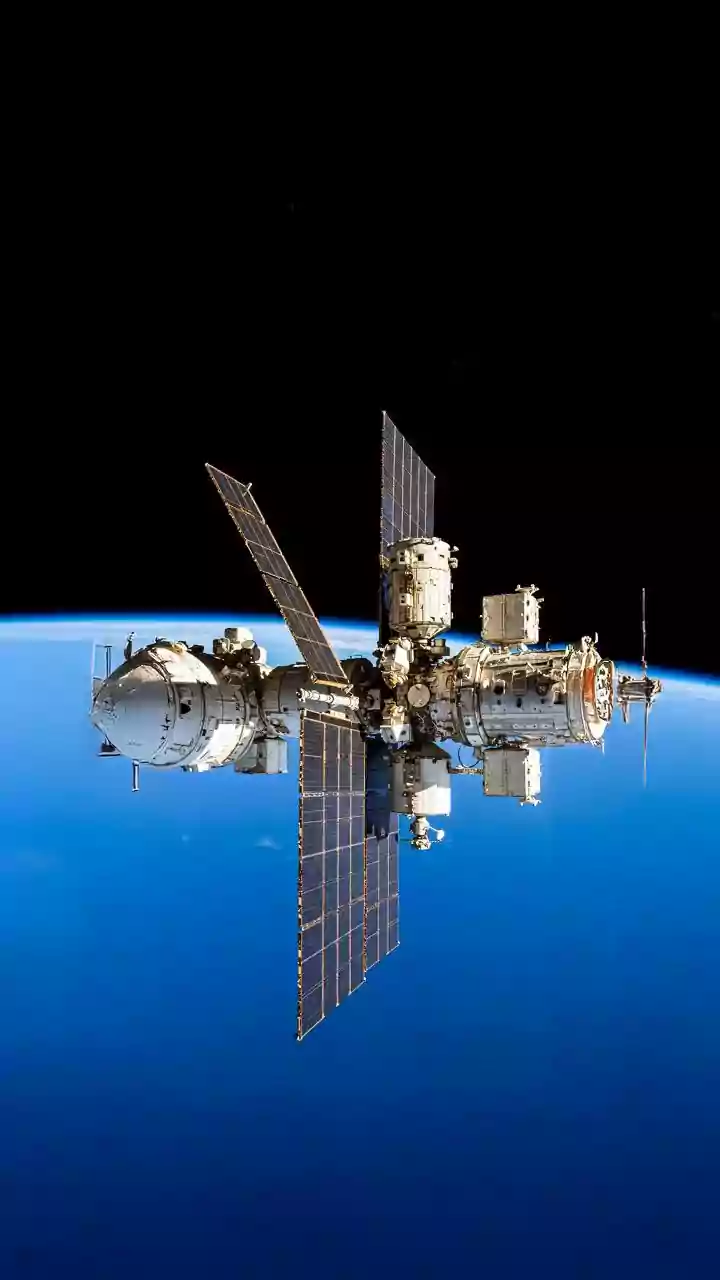






Making Science Tangible
For many students, science and mathematics can feel abstract, confined to textbooks and classrooms. However, direct exposure to space technology—whether through a visit to an ISRO facility, a planetarium show, or a hands-on workshop—makes these subjects
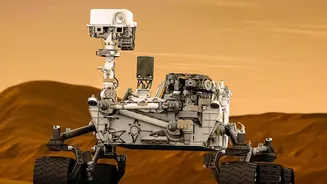
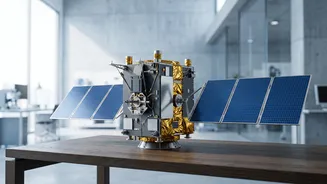
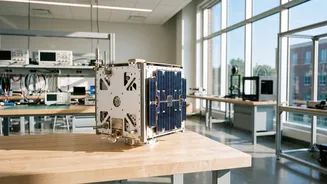
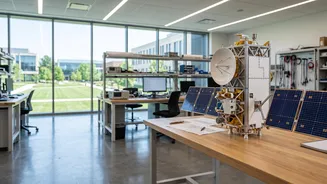
concrete and exciting. Seeing a real satellite, understanding the mechanics of a rocket, or tracking a mission's progress transforms theoretical principles into real-world achievements. This experiential learning is powerful; it bridges the gap between what is taught in school and what is possible in reality, sparking genuine curiosity and a desire to understand the underlying science. This process is crucial for nurturing the scientific temperament needed to excel in these fields.
Inspiring a Generation
National achievements in space have a profound psychological impact. Missions like Chandrayaan and Mangalyaan serve as powerful symbols of what India can accomplish, fostering a sense of national pride and ambition. When young people see Indian scientists and engineers achieving monumental goals, it creates relatable role models. This inspiration is a critical first step. For example, following the historic Chandrayaan-3 lunar landing, applications to ISRO reportedly spiked, and aerospace engineering became a top preference for many engineering aspirants for the first time in decades. This effect demonstrates that witnessing success firsthand can shift aspirations and make a career in space feel attainable.
Building the Future Workforce
India's space economy is rapidly expanding. Once dominated by the government-run ISRO, the sector is now burgeoning with private startups. This growth has created a massive demand for a skilled workforce in diverse fields like aerospace engineering, satellite technology, robotics, and data analytics. The Indian space economy, currently valued at over $8 billion, is projected to reach as much as $44 billion by 2033. To fuel this growth, India needs a steady pipeline of talent. Exposure initiatives are a strategic necessity, designed to cultivate the critical thinking, problem-solving, and innovation skills required by this future-focused industry.
Structured Pathways from Curiosity to Career
Recognizing this need, ISRO and other organizations have established structured programs to "catch them young." Initiatives like the YUVIKA (Young Scientist Programme) immerse school students in space science, technology, and applications, with a preference for those from rural areas. Similarly, programs like NE-SPARKS bring students from the North Eastern states to ISRO centres in Bengaluru for immersive tours and interactions with scientists. The government also supports these efforts, earmarking funds for student outreach and establishing Space Technology Incubation Centres to foster collaboration between universities and ISRO. These programs provide a clear pathway, turning initial curiosity into practical skills and, eventually, a career.
Beyond a Government Job
For decades, a career in space in India meant a job at ISRO. Today, the landscape is dramatically different. The opening of the sector to private enterprise in 2020 has led to the rise of over 400 private space startups. Companies like Skyroot Aerospace, Agnikul Cosmos, and Pixxel are now major employers, offering competitive salaries and dynamic career paths in launch vehicle development, satellite manufacturing, and data services. This diversification means that a passion for space can lead to roles in entrepreneurship, software development, data analysis, and even space policy. This expanding ecosystem not only creates more jobs but also fosters an environment of innovation that can integrate Indian companies into the global space economy.