






The Calorie Burn Question
Let's get the most common question out of the way: which burns more calories? On paper, running often takes the lead. A steady-paced run typically has a higher Metabolic Equivalent of Task (MET) value than most forms of social dancing. For example, 30
minutes of running might burn around 345 calories, while a general dance session might burn about 193 in the same time. However, this is not the full story. The intensity and style of dance matter immensely. A high-energy hip-hop, Zumba, or swing class can burn calories at a rate comparable to, or even exceeding, a steady jog. The key variable is effort. A light jog is less demanding than a vigorous salsa routine, proving that how you move matters more than what you call the activity.
Muscle Engagement and Body Composition
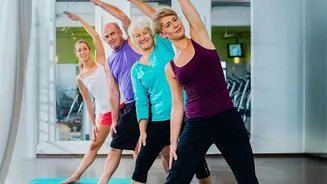
Running is a forward, single-plane motion that primarily builds strength and endurance in the legs, particularly the quads, hamstrings, and calves. Dancing, on the other hand, is a full-body workout. It involves rotation, lateral movements, and changes in direction that engage a wider array of muscles simultaneously, including the core, back, arms, and smaller stabilizing muscles in the hips and ankles. This whole-body engagement can lead to more balanced muscle development and improved coordination. While both activities build lean muscle, which boosts your resting metabolism, dancing's varied movements can result in a different kind of toning and functional strength that translates well to everyday activities.
Impact on Joints and Injury Risk
One of the most significant differences lies in the impact on your joints. Running is, by nature, a high-impact activity, with repetitive stress placed on the knees, hips, and ankles with every stride. While some research suggests running can strengthen joints when done correctly, the risk of overuse injuries is real. Dancing offers more variety in its impact. While styles like tap or high-energy street dance involve jumping and can be high-impact, many other forms, like ballroom, are low-impact and gentle on the joints. The fluid, controlled movements can enhance mobility and stability without the constant pounding, making it a more accessible option for people with joint sensitivities or those seeking a lower-risk workout.
The 'It Depends' Factor: Individual Variation
Why does your friend lose weight running while you don't? The answer lies in individual variation. Our bodies respond to exercise differently based on a host of factors including genetics, age, sex, hormones, and current fitness level. Studies show that there is a wide range of responses to any given exercise program, with some people seeing significant results while others see very little. Genetic markers can influence everything from fat storage and muscle response to appetite. This means there is no universally 'best' exercise for weight loss. The effectiveness of running versus dancing is deeply personal and depends on your unique physiology. What works is what works for your body.
The Real Winner: Consistency and Enjoyment
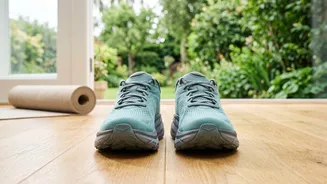
Ultimately, the most effective exercise for managing body weight is the one you do consistently. And consistency is fueled by enjoyment. If you dread lacing up your running shoes, you are far less likely to stick with it long-term. If a dance class makes you smile and leaves you feeling energized, you'll look forward to it and make it a regular part of your life. The psychological benefits of dancing—the music, the social interaction, the creativity—can be a powerful motivator that makes exercise feel less like a chore and more like a celebration. This 'fun factor' is often dancing's greatest advantage, leading to better adherence and, consequently, better long-term results.