

In the world of tropical fruits, mango and papaya are titans, often mistaken for one another. Both offer a sweet taste of sunshine, but they are distinct in flavour, nutrition, and how they shine in the kitchen. Let's break it down.
A Tale of Two Tastes
The most immediate
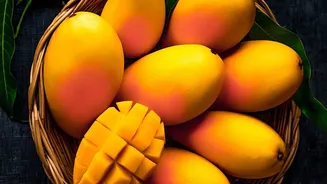
difference between a mango and a papaya is their flavour and texture. A ripe mango boasts a complex, intensely sweet taste with notes of peach, pineapple, and citrus. Its flesh is often fibrous but juicy and smooth. Papaya, on the other hand, has a milder, more subtle sweetness, often compared to cantaloupe or melon, with a creamy, almost buttery texture. Some people detect a musky aftertaste in papaya, which is due to an enzyme called papain. While a mango's aroma is purely sweet and floral, papaya's can be slightly pungent because of this enzyme.
The Nutritional Showdown
Both fruits are nutritional powerhouses, but they excel in different areas. Papaya is the lighter option, containing fewer calories, carbohydrates, and significantly less sugar than a mango. It is a vitamin C champion, with a single cup providing nearly a full day's requirement. Mango fights back with its high vitamin A content, crucial for vision and skin health, thanks to its abundance of beta-carotene. Mango also offers more folate and vitamin E. In terms of fibre, both fruits are fairly matched, making them good choices for digestive health.
Papaya’s Secret Weapon: Papain
Papaya's most unique feature is papain, a powerful enzyme concentrated in the unripe, green fruit. This enzyme is a master at breaking down proteins, which is why it's the star ingredient in many commercial meat tenderizers. For home cooks, this means wrapping meat in papaya leaves or marinating it in a paste of raw papaya can make even tough cuts incredibly tender. This same enzyme is why fresh papaya should never be added to gelatin-based desserts, as it will break down the proteins and prevent the gel from setting. While the ripe fruit contains less active papain, it's still renowned for aiding digestion after a protein-heavy meal.
Mango: The Versatile Star of Indian Cuisine
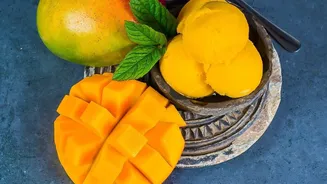
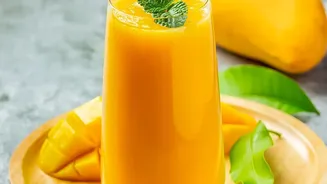
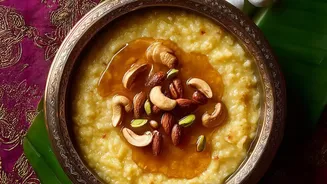
In India, the mango is not just a fruit; it's a cultural icon. Its versatility shines in both raw and ripe forms across countless regional dishes. Raw, tangy mango is the heart of pickles (Aam Ka Achar), refreshing summer drinks like Aam Panna, and souring agents in dals and curries like Aam Dal and Mavinakayi Chitranna (mango rice). It adds a tart counterpoint to sweet chutneys like Aam Ki Launji. Ripe mango is transformed into desserts like Mango Kulfi, Phirni, and Shrikhand, not to mention the universally loved Mango Lassi. Its sweet and sour profile makes it a perfect companion for both savory and sweet dishes.
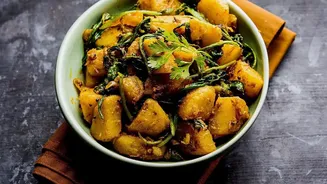
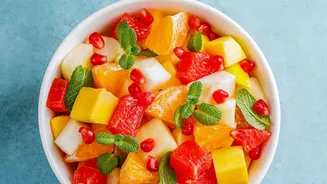
Papaya is a culinary asset in both its raw and ripe stages. Green (unripe) papaya is treated as a vegetable, celebrated for its firm texture and mild taste that absorbs flavours beautifully. It's shredded into salads like Thai Som Tum, added to lentil dishes like Pepe'r Dal, made into pickles, and even used to create desserts like Papaya Halwa. In Southern India, it's a key ingredient in yogurt-based dishes like Papaya Pachadi. Ripe papaya is typically eaten fresh, often with a squeeze of lime to brighten its flavour. It's also blended into smoothies, lassis, and used in desserts where its creamy texture can shine.