





A Nation’s Appetite for Experience
Forget whirlwind tours that barely scratch the surface. The modern Indian traveller, along with a growing number of international visitors, is seeking something deeper. This has given rise to a powerful combination: food tourism and local discovery. It’s
a shift from merely seeing a place to truly tasting, understanding, and experiencing it. Market reports indicate that the culinary tourism market in India is set for significant expansion, with some projections showing a compound annual growth rate of over 15% between 2026 and 2036. This isn't just about dining out; it’s about immersive journeys where food is the main event. Up to 40% of Indian travellers are now choosing their holiday destinations based on cuisine and local food culture. This focus on gastronomic journeys is reshaping itineraries, with travellers eagerly booking everything from street food walks to exclusive farm-to-table dinners.
Beyond the Butter Chicken
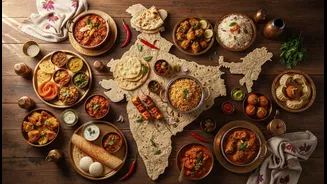
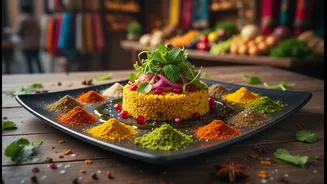
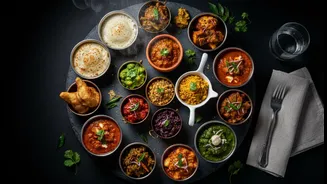
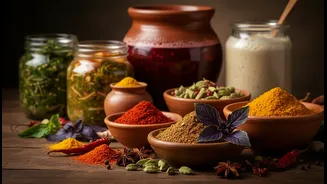
For years, Indian food outside of India, and even in many mainstream restaurants within the country, was defined by a handful of popular dishes. That era is ending. Today’s travellers are driving the demand for hyper-regional cuisines, exploring the distinct culinary identities of specific communities and micro-regions. This could mean discovering the unique flavours of Chettinad cuisine in Tamil Nadu, learning to cook with freshly picked spices on a farm in Kerala, or exploring the rich vegetarian thalis of Gujarat. This trend celebrates India's immense diversity, where the dialect, spices, and signature dishes can change every hundred kilometres. Travellers are venturing to places like the Konkan coast for its seafood, Rajasthan for its heritage recipes, and the Northeast for its unique tribal fare, seeking stories and traditions on a plate.
The Rise of Local Discovery
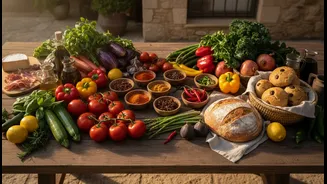
Hand-in-hand with food tourism is a growing desire to escape overcrowded tourist hubs in favour of authentic, local experiences. Travellers are increasingly choosing homestays and farm stays over conventional hotels. These stays offer a direct window into local life, complete with home-cooked meals and personal interactions. Agritourism, in particular, is gaining serious momentum, with urban dwellers seeking the peace of rural life and a connection to where their food comes from. This trend benefits travellers by offering a richer, more meaningful experience, and it has a profound economic impact. It channels tourism revenue directly into rural communities, empowering small-scale farmers, artisans, and homestay owners, thereby creating sustainable livelihoods and helping to preserve local culture and traditions.
The New Culinary Explorer
Driving this movement are Millennials and Gen Z, who are redefining travel priorities. Influenced by social media and a global curiosity, they seek out unique, shareable moments. A trip might be planned around a viral food stall seen on Instagram, a local festival like Onam in Kerala, or a cooking class with a renowned local chef. This generation measures a trip's success not just by the sights seen, but by the skills learned, connections made, and flavours discovered. They are 'snackpackers' exploring local supermarkets for regional treats and 'pop-culting' to destinations featured in popular media. This digitally-native approach means that niche experiences, from street food in Old Delhi to artisanal cheese-making in the Himalayas, can find a global audience overnight.
Crafting Your Own Flavourful Journey
So, what does this sweet spot look like in practice? It’s a multi-sensory adventure. It could be a food walk through the bustling lanes of Mumbai, sampling vada pav and pav bhaji. It might be a stay at a coffee plantation in Coorg, learning about the bean-to-cup process. Or it could be joining a family for a traditional sadhya feast on a banana leaf in Kerala. These experiences are becoming increasingly accessible, with organised tours, culinary workshops, and homestay networks making it easier than ever to plan a food-centric holiday. The focus is on participation, not just observation—learning recipes, visiting local markets, and understanding the cultural significance behind the food.