




In the vast, colourful landscape of Indian beverages, a quiet but significant duel is underway. It’s not a battle of new versus old, but a fascinating competition for taste, loyalty, and identity between global cola giants and a humble classic: jeera
soda.
The Enduring Taste of Tradition
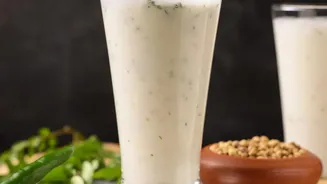
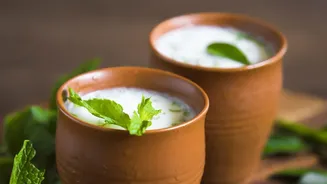
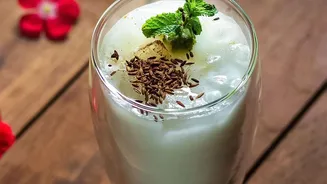
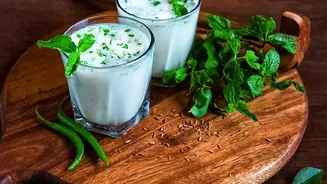
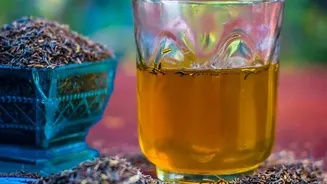
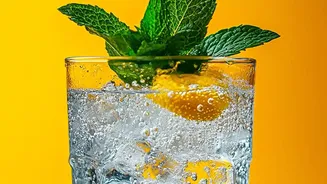
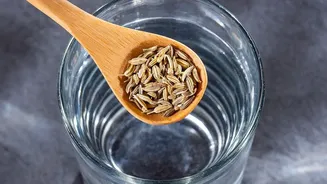
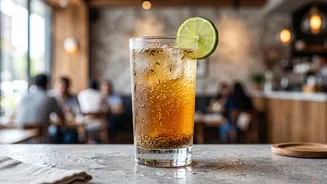
For generations, jeera soda has been more than just a drink; it's a cultural staple. Rooted in Ayurveda, where cumin (jeera) has been used for centuries for its digestive properties, this beverage began its life as a homemade remedy and a street-side refresher. Vendors would mix roasted cumin water with soda, black salt, and spices, serving it as a digestive after a heavy meal or a cooling antidote to scorching summer heat. This history gives it a functional benefit that sugary colas lack. Its flavour profile is complex and uniquely Indian: earthy, spicy, salty, and tangy, a world away from the straightforward sweetness of its global competitors. For many, its taste is tied to nostalgia—memories of childhood outings, family gatherings, and bustling street food markets, making it a powerful symbol of cultural identity.
The Rise of a 'Desi' Revolution
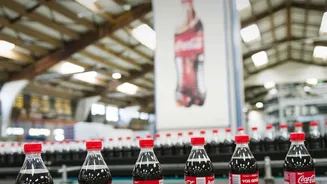
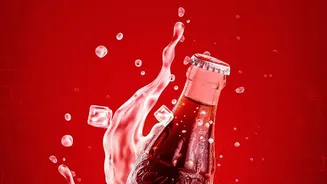
For decades, India's beverage market was a near-duopoly, dominated by the marketing might and vast distribution networks of Coca-Cola and PepsiCo. They sold not just a drink, but an aspiration. However, a significant shift is occurring. Indian consumers are increasingly turning towards homegrown products that feel authentic and familiar. This trend, visible across many sectors, is now reshaping the beverage industry. Brands like Lahori Zeera, which started as a kitchen experiment in 2017, have grown into major players, challenging the established order. Recent reports indicate that the market share for ethnic Indian beverages, including various jeera sodas, has doubled to around 15% in recent years, while the combined share of the two cola giants has seen a corresponding dip from approximately 93% to 85%.
A Modern Twist on a Classic
The resurgence of jeera soda isn't just about looking back; it's about moving forward. Local companies are successfully packaging this traditional drink for the modern consumer, transforming it from a street-side novelty into a convenient, ready-to-drink product available on supermarket shelves. Brands like Jeeru, Campa Jeera, and Bindu's Fizz Jeera Masala are giving the classic a contemporary makeover. Some companies that launched jeera drinks decades ago with little success are now seeing sales soar, with one reporting its revenue contribution from the category doubling in the last five years. This formalisation of a traditionally informal drink caters to a growing demand for convenience, hygiene, and consistent quality, converting existing habits into organised retail consumption.
Not Just a Drink, but a Statement
Choosing jeera soda over a global cola is becoming a conscious decision for many Indian consumers. This choice is driven by a broader 'post-colonial reclamation' of Indian food identity, a movement that celebrates indigenous ingredients and recipes. The trend is also fuelled by a growing health consciousness. Consumers are reading labels more carefully, seeking out functional beverages that offer benefits beyond simple refreshment, such as aiding digestion or boosting immunity. In this context, jeera soda's traditional reputation as a digestive aid gives it a significant advantage. It aligns perfectly with the shift away from synthetic, sugary drinks towards those perceived as more natural and authentic. While many bottled jeera sodas still contain sugar, their foundational link to wellness and tradition resonates strongly.