
A Delicious Collision of Worlds
Across India, a culinary shift is reshaping what festive food looks and tastes like. The heart of this trend is the creative fusion of deeply-rooted regional comfort foods with international ingredients and cooking styles. It’s not about replacing the classics
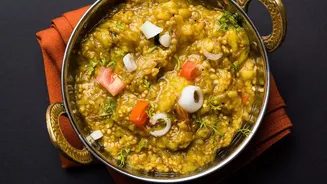
but reimagining them for a new generation. Think of a traditional sweet like gulab jamun, but deconstructed and layered into a cheesecake, or the familiar warmth of khichdi enriched with mushrooms and truffle oil. This isn't just a fleeting fad; it's a reflection of a more interconnected world, where Indian chefs and home cooks are more exposed to global food trends than ever before. The result is a menu that feels both excitingly new and comfortingly familiar, celebrating heritage while embracing curiosity.
What’s Driving the Culinary Mashup?
Several factors are stirring this pot of innovation. Increased global travel and a digitally connected world have broadened palates and inspired culinary experimentation. Social media platforms have become virtual cookbooks, where a viral video of a tandoori-spiced pasta or a masala-infused taco can spark a nationwide trend. Furthermore, a new wave of Indian chefs, both at home and abroad, are leading the charge. They are approaching Indian cuisine with a fresh perspective, using global techniques to elevate local ingredients. The goal is often to retain the 'soul' of a dish while presenting it in a contemporary format. This movement is also driven by diners who are increasingly curious and open to global flavours, yet still seek a point of familiarity in what they eat.
The New Festive Menu
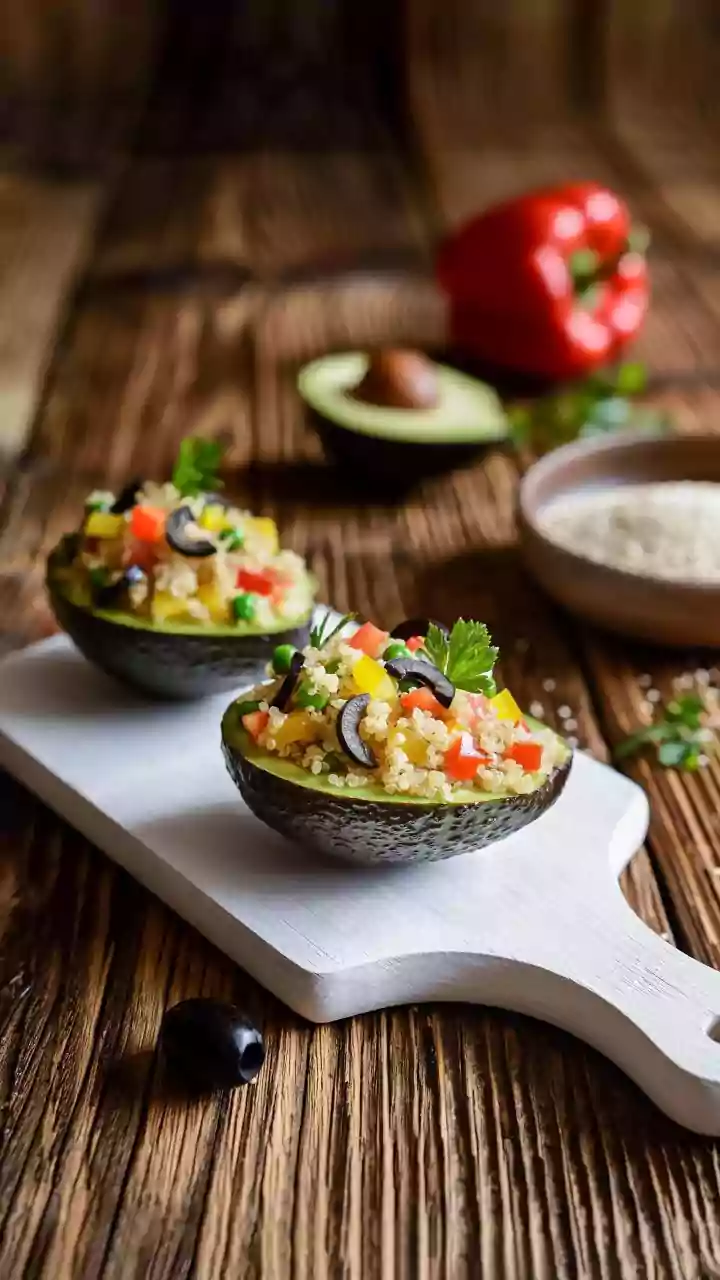
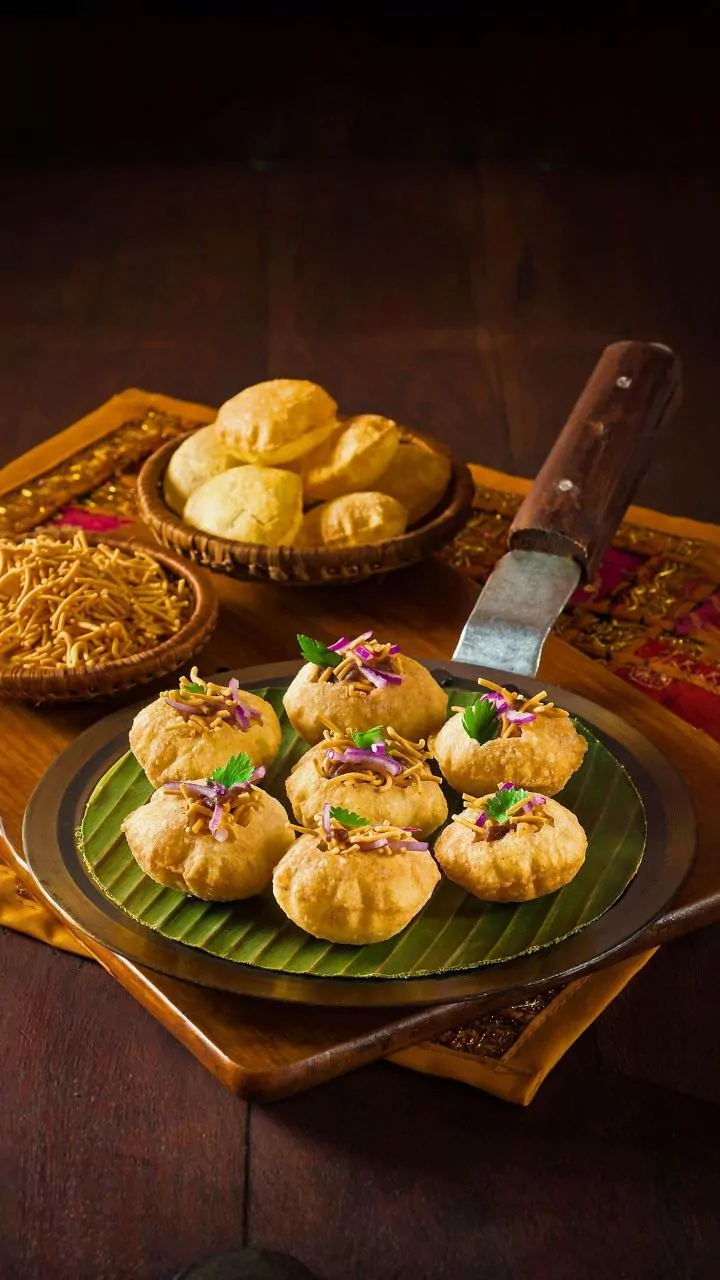
So, what does this trend look like on the plate? The possibilities are as diverse as India's regional cuisines. In some modern kitchens, you might find a baked or air-fried gujiya, offering a healthier take on the deep-fried classic. Elsewhere, chefs are transforming traditional sweets into contemporary desserts, like a rasmalai tiramisu or a filter coffee panna cotta. Savoury dishes are also getting a global makeover. Imagine a pizza topped with Goan chorizo or arancini balls stuffed with Hyderabadi biryani. Even traditional festive drinks are being reinterpreted, with cocktails featuring desi flavours like tamarind and paan. This playful approach extends to using seasonal international ingredients, such as cranberries or pumpkin, and pairing them with classic Indian spices to create dishes that are both festive and rooted in tradition. The core idea is respect for the original flavour, enhanced with an unexpected twist.
Comfort, Not Compromise
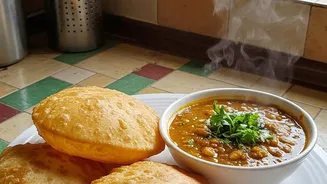
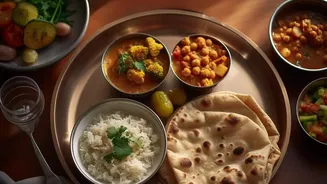
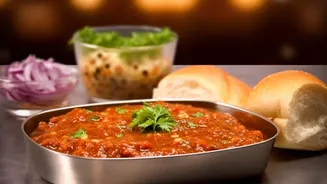
Crucially, this evolution isn’t about diluting authentic flavours. In fact, many argue it’s the opposite. The best examples of this fusion honour the integrity of the original dish. The comfort aspect of food—that feeling of warmth and nostalgia—remains central. Dishes like dal makhani, palak paneer, and various regional khichdis are considered the ultimate comfort foods, and this new trend builds upon that foundation. By blending a familiar taste with an unfamiliar texture or ingredient, cooks are creating a new kind of comfort food that speaks to a globalised identity. It's a culinary dialogue between a cherished past and an exciting future. This approach avoids trend-chasing for its own sake, like the infamous wasabi gulab jamun, focusing instead on combinations that genuinely enhance the dining experience.