



Croatia's sun-drenched coast and historic cities are no secret, but fame comes with a price. As crowds flock to hubs like Dubrovnik and Split, savvy travellers are discovering that the country's real magic—and value—often lies just off the beaten path.
Instead of Dubrovnik, Try Zadar
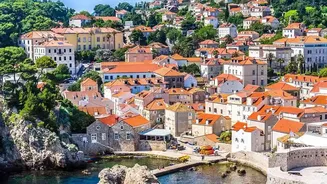
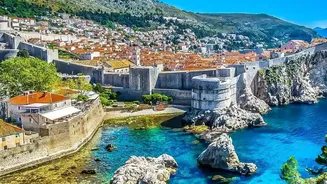
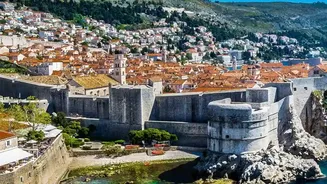
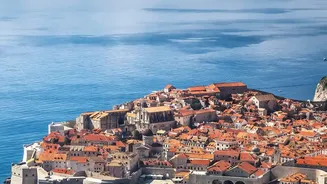
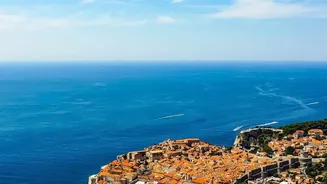
Dubrovnik is stunning, but its popularity means premium prices for everything from walking the city walls to enjoying a simple dinner. For a similar vibe with a much friendlier price tag, turn your attention north to Zadar. While Dubrovnik's cost of living for tourists can be 30-40% higher, Zadar delivers a captivating blend of ancient and modern for a fraction of the cost. The city boasts its own impressive Roman ruins, medieval churches, and Venetian-style walls, but with a more relaxed, lived-in feel. One of Zadar's most famous attractions, the Sea Organ, offers a magical sunset experience for free as waves create hauntingly beautiful music. Accommodation and dining within Zadar's old town are noticeably more affordable than in Dubrovnik, allowing your budget to stretch further without sacrificing atmosphere. You get the marble streets and Adriatic views, but with fewer crowds and more money left in your pocket.
Instead of Split, Try Šibenik
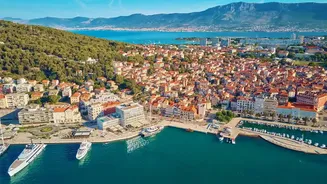
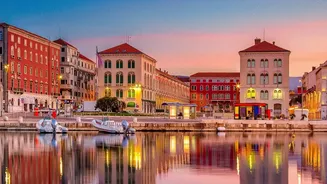
Split is a magnificent city, built around the sprawling Roman palace of Emperor Diocletian. But its role as a major transport hub keeps it bustling and pricey. Just an hour up the coast lies Šibenik, a hidden gem that many travellers overlook. While Split is a real city, Šibenik feels more like an authentic, large coastal town, offering a slower pace and lower costs. Living expenses in Šibenik can be around 25% lower than in Split, with significant savings on accommodation and restaurant meals. Šibenik is unique as it's the only city in Croatia with two UNESCO World Heritage sites: the Cathedral of St. James and St. Nicholas' Fortress. It also serves as the perfect gateway to Krka National Park, which is closer to Šibenik than it is to Split. You can enjoy the charm of a historic Dalmatian old town with winding stone alleys and a beautiful harbour, all while experiencing a more local, less-touristed side of Croatia.
Instead of Hvar, Try Vis or Korčula
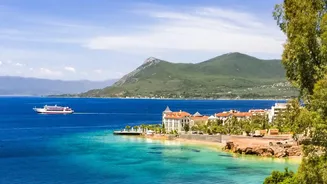
Hvar has a well-earned reputation as a glamorous party island with chic bars and a harbour full of yachts, and its prices reflect that status. For a more tranquil and affordable island experience, consider Vis. As a former military base, Vis was closed to visitors until 1989, which preserved its rugged, unspoiled character. It is consistently 20-30% cheaper than Hvar for comparable accommodation and dining. Here, the focus is less on nightlife and more on stunning beaches like Stiniva Cove, unique local wines, and fresh seafood at family-run 'konobas' (taverns). Another fantastic alternative is Korčula, often called 'Little Dubrovnik' for its beautiful medieval walled town. It offers a perfect balance of history, wine culture, and lovely beaches without the intense crowds or high price tags of Hvar, making it feel charming and delightful.
Instead of the Dalmatian Hotspots, Explore Istria
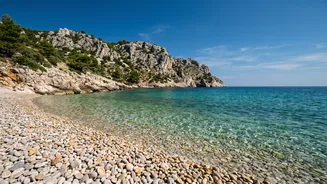
While most visitors head south to the Dalmatian Coast, the northern peninsula of Istria offers a completely different flavour of Croatia that's often more budget-friendly. With its rolling hills, olive groves, and truffle-rich forests, Istria is frequently compared to Tuscany but with more accessible pricing. Instead of basing yourself in a single crowded city, you can road trip between charming hilltop towns like Motovun and Grožnjan and coastal gems like Rovinj and Pula. Pula, in particular, offers incredible value with its massive Roman amphitheatre, lively markets, and proximity to stunning nature parks like Cape Kamenjak. Accommodation, whether in campsites, local guesthouses, or apartments just outside the main centres, is generally more affordable than in the south, especially if you travel in the shoulder seasons of May, June, or September.