

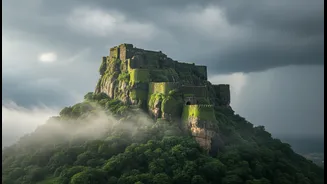

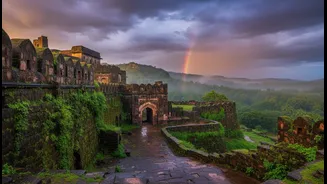


Lohagad Fort, Maharashtra
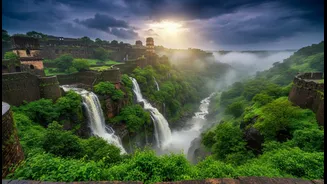
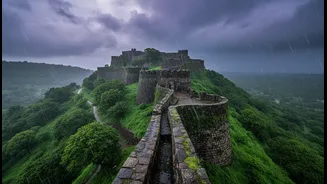
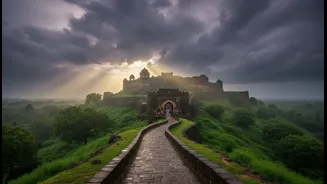
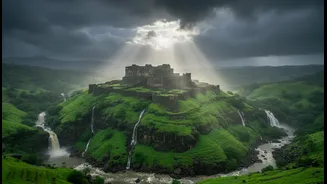
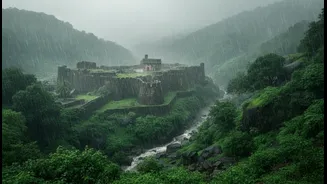
A favourite for trekkers from Mumbai and Pune, Lohagad, or the 'Iron Fort', is a beginner-friendly climb that becomes truly magical in the rains. Perched in the Sahyadri range, the fort offers sweeping views of the verdant landscape and the Pavana reservoir.
During the monsoon, the stone pathways glisten, small waterfalls cascade down the steps, and the entire structure is often enveloped in low-hanging clouds, creating a surreal atmosphere. The trail is easy, with well-laid stone steps for most of the climb, making it accessible for families and first-time trekkers. The famous 'Vinchu Kata' or scorpion's tail, a long, narrow spur of the fort, provides breathtaking, albeit misty, views of the valley below. After the trek, enjoying hot onion pakoras and tea from the small stalls at the base is a quintessential part of the experience.
Kumbhalgarh Fort, Rajasthan
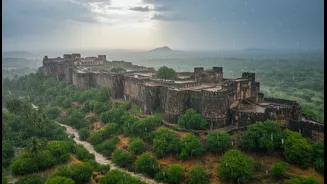
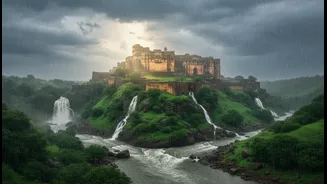
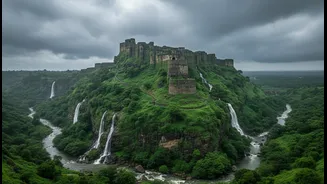
While Rajasthan is often pictured as an arid desert, the monsoon tells a different story, especially at Kumbhalgarh. This UNESCO World Heritage Site, with its formidable wall stretching over 36 kilometres, is a sight to behold when the Aravalli hills turn a vibrant green. The fort, perched atop 13 mountain peaks, appears to emerge from the clouds, offering dramatic, panoramic views. The rains wash the stone ramparts clean, and the cooler temperatures make exploring this massive fortress a pleasant experience. The 'Badal Mahal', or Palace of Clouds, truly lives up to its name during this season, as mist often drifts through its chambers. Visiting during the monsoon offers a chance to see a quieter, more serene side of this popular Rajasthani landmark, away from the peak season crowds.
Mandu, Madhya Pradesh
Mandu is not just a fort but an entire fortified city, and it is perhaps one of India’s most romantic monsoon destinations. The romance is woven into its history, most famously in the tales of Sultan Baz Bahadur and Rani Roopmati. During the rains, the historic palaces and tombs are set against a backdrop of lush greenery and brimming lakes. The magnificent Jahaz Mahal, or 'Ship Palace', built between two artificial lakes, appears to be floating on the water. Rani Roopmati's Pavilion, perched on a hilltop, offers stunning views of the rain-washed Narmada plains below. The entire city, once named 'Shadiabad' or the 'City of Joy' by Emperor Jehangir, takes on a magical quality, with clouds drifting through its valleys and over its ancient Afghan architecture.
Sinhagad Fort, Maharashtra
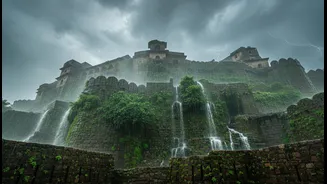
Known as the 'Lion Fort', Sinhagad is one of the most historically significant and accessible forts near Pune. The monsoon trek to Sinhagad is an experience cherished by locals and tourists alike. The climb takes you through lush trails, with the rain transforming the landscape into a vibrant green canvas. From the top, you can witness spectacular views of the Khadakwasla Dam and the surrounding valleys, often shrouded in mist. The fort has a rich history, famously known for the Battle of Sinhagad in 1670. Beyond its history, Sinhagad is also a culinary destination for trekkers, who flock to the stalls at the top to savour traditional Maharashtrian fare like Zunka Bhakar and fresh yogurt. Recent heavy rains have sometimes led to temporary closures due to landslides, so it's wise to check local conditions before planning a visit.