


Why High Humidity Changes the Rules
To understand why watering needs to change, we need to look at how plants 'breathe' and drink. Plants absorb water through their roots and release it as vapour through tiny pores in their leaves, a process called transpiration. High humidity in the air
slows this process down significantly. Think of it like trying to dry laundry on a damp, rainy day—it takes much longer. Because the plant is releasing less water, it also draws less from the soil. Simultaneously, the moisture in the air prevents the soil surface from drying out as quickly. This combination creates a perfect storm where the soil stays wet for longer, setting the stage for the most common killer of houseplants: root rot.
The Silent Threat of Root Rot
Root rot is essentially what happens when roots suffocate. Healthy roots need oxygen from small air pockets in the soil to function and absorb nutrients. When soil is waterlogged for extended periods, these air pockets fill with water, depriving the roots of the oxygen they need to survive. This anaerobic environment not only kills the roots but also becomes a breeding ground for fungi and bacteria that accelerate the decay. By the time you notice symptoms above the soil—like yellowing leaves or wilting—the damage below may already be severe. The high humidity and reduced evaporation during seasons like the monsoon make even well-cared-for plants susceptible if watering habits aren't adjusted.
Signs of Overwatering to Watch For
Confusingly, an overwatered plant can look a lot like an underwatered one. Both can cause leaves to wilt and turn yellow. However, there are key differences. The leaves of an overwatered plant often feel soft and limp, whereas an underwatered plant's leaves will be dry and crispy. Other signs of too much moisture include yellowing lower leaves, brown spots with yellow halos, a musty smell from the soil, and the presence of fungus gnats, which are drawn to constantly damp conditions. The most reliable way to diagnose the problem is to check the soil itself. If the plant is wilting but the soil is still wet to the touch an inch or two down, overwatering is almost certainly the culprit.
Your New Watering Strategy for Humid Weather
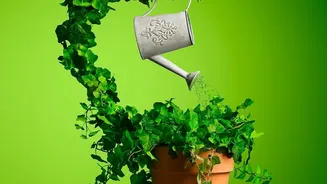
The golden rule during humid months is to abandon a fixed watering schedule. Instead, rely on observation. Always check the soil moisture before reaching for the watering can. The 'finger test' is your best friend: stick your finger about two inches into the soil. If it feels moist, wait another day or two before checking again. When you do water, do it thoroughly until water drains from the bottom of the pot, but do it less frequently. This encourages deep, strong root growth. After watering, make sure to empty any saucers or drip trays. Letting a pot sit in a puddle of water is a guaranteed way to invite root rot.
Boost Drainage and Airflow
Beyond just how you water, the plant's setup is crucial. Ensure every pot has adequate drainage holes. If you use a decorative cachepot without holes, always remove the inner pot for watering and let it drain completely before putting it back. Using a well-draining potting mix is also non-negotiable. Amend standard potting soil with materials like perlite, orchid bark, or coarse sand to improve aeration and prevent compaction. You can also manually aerate the soil every few weeks by gently poking a chopstick or a skewer into the soil, being careful to avoid major roots. This simple action creates air channels, helping oxygen reach the roots and allowing the soil to dry more evenly. Increasing air circulation around your plants with a small fan can also help manage humidity and promote healthier soil conditions.