






Rethinking the 'Detox'
Before we dive into our desi superfoods, let's clear up one thing: your body is already a detox powerhouse. Your liver, kidneys, lungs, and skin are constantly working to filter and remove toxins. The idea of a magical 'detox diet' that flushes your system
clean in days is largely a myth. A better, more sustainable approach is to support these natural processes by eating nutrient-dense foods. This 'desi detox' is not about deprivation; it's about nourishing your body with the right fuel. Instead of extreme fasts, think of it as giving your system a gentle, helping hand with whole, unprocessed, and seasonal ingredients.
The Humble Hero: Corn (Makai)
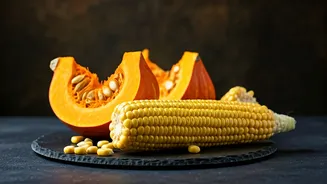
We love our monsoon bhutta, but corn’s benefits go far beyond a roadside snack. Corn, or makai, is packed with insoluble fibre. This is crucial for digestive health, as it helps keep you regular and feeds the good bacteria in your gut, which is a cornerstone of overall wellness. Furthermore, corn contains a wealth of antioxidants like lutein and zeaxanthin, which are particularly beneficial for eye health. It’s also a source of B vitamins, which are essential for energy metabolism. Forget thinking of it as just a starchy carb; fresh corn is a vibrant vegetable loaded with goodness.
Ways to Use Corn for Wellness
To get the most out of corn, think beyond butter and salt. A simple corn soup, made by blending boiled corn kernels with a little ginger and black pepper, is a light and filling meal. You can also add a handful of steamed corn kernels to your daily salad for a pop of sweetness and a fibre boost. Another great option is to make a simple corn chaat with chopped onions, tomatoes, coriander, and a squeeze of lime juice. It’s a delicious, low-calorie snack that satisfies cravings without the guilt. Integrating corn into vegetable stir-fries or even upma can also increase your fibre intake effortlessly.
The Powerhouse: Pumpkin (Kaddu)
Often relegated to halwa or a simple sabzi, pumpkin (kaddu) is one of the most nutrient-dense foods you can eat. Its brilliant orange colour is a giveaway for its high beta-carotene content, which your body converts into Vitamin A. This vitamin is vital for a strong immune system, healthy skin, and good vision. Pumpkin is also incredibly hydrating, being about 90% water, and it’s packed with potassium, an electrolyte that helps regulate blood pressure and fluid balance. Plus, it's low in calories and high in fibre, making it an excellent food for weight management and digestive health.
Making Pumpkin a Daily Delight
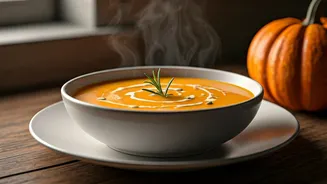
Pumpkin's mild, sweet flavour makes it surprisingly versatile. Start your day with a pumpkin smoothie by blending roasted pumpkin puree with a banana, a pinch of cinnamon, and some yoghurt. For a comforting meal, a simple roasted pumpkin soup seasoned with a touch of nutmeg is both delicious and deeply nourishing. You can also roast cubes of pumpkin with a little olive oil and herbs to add to salads or serve as a side dish. Don't throw away the seeds! Roasted pumpkin seeds are a fantastic snack, rich in magnesium, zinc, and healthy fats.