




Finding time for fitness can feel impossible with a packed schedule. But what if a great workout was as simple as walking in your living room? Indoor walking is a convenient, low-impact solution to stay active, no matter the weather or time.
The Undeniable Appeal of Walking Inside
The primary
advantage of an indoor walking routine is its sheer convenience. It completely removes common barriers to exercise. You don't have to worry about bad weather, safety in the dark, or finding time to travel to a gym. This makes it much easier to be consistent. It’s a workout you can do in your living room, bedroom, or even a hallway while watching TV or listening to a podcast. Plus, it’s a low-impact activity, meaning it's gentle on your joints compared to exercising on hard pavement, making it a safe starting point for beginners or those with certain physical limitations. And the best part? No expensive equipment is required to get started.
Getting Started: What You Need
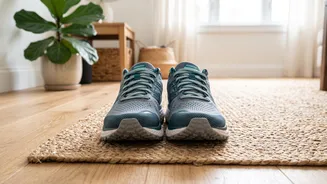
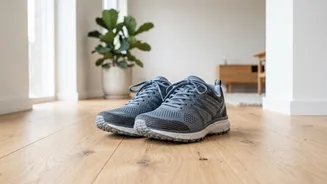
Starting an indoor walking program is incredibly simple. All you really need is a small amount of clear space. To make the experience more comfortable and effective, wear supportive shoes and comfortable clothing. While not essential, a yoga mat can provide extra cushioning. The key is to eliminate any friction that might stop you from starting. You can walk in place while on the phone, during TV commercials, or while waiting for dinner to cook. Even short, five-minute bursts of activity throughout the day add up and contribute to your overall fitness goals.
A Simple 20-Minute Indoor Walking Workout
Ready to try it? Here is a basic routine that requires no equipment. You can adjust the duration and intensity to match your fitness level. - Warm-up (3 minutes): Start by marching slowly in place. Roll your shoulders and gently swing your arms to get your body ready for movement. - Brisk March (5 minutes): Pick up the pace. March in place at a moderate intensity, lifting your knees toward your waist and swinging your arms. You should be able to talk, but not sing. - Side Steps (3 minutes): Stand with your feet together and take a wide step to the right, then bring your left foot to meet it. Repeat on the left side. Continue alternating for the full duration. - Knee Lifts (3 minutes): Slow the pace slightly and focus on lifting your knees high with each step, engaging your core muscles. You can add a slight twist to work your obliques. - Fast March (3 minutes): Return to a brisk march, focusing on speed and keeping your heart rate elevated. - Cool-down (3 minutes): Gradually slow your marching pace. End with some gentle stretches for your calves, hamstrings, and quadriceps.
How Effective Is Walking in Place?
It’s a fair question: does walking in one spot actually 'count' as exercise? The answer is a resounding yes. Walking in place raises your heart rate, improves cardiovascular health, strengthens leg muscles, and burns calories. Studies have shown that it offers comparable benefits to walking on a treadmill at a similar pace. A person weighing around 70 kg can burn roughly 250–300 calories per hour by marching in place. While outdoor walking may offer greater psychological benefits from being in nature, indoor walking provides a controlled, safe, and highly effective alternative when time or circumstances are limiting.
Keeping Your Routine Fresh and Engaging
The biggest challenge with any at home workout is often boredom. To keep your indoor walking routine interesting, variety is key. Search for free guided walking workouts online, as many trainers offer routines set to music with varied movements. Listening to an engaging podcast, an audiobook, or your favourite playlist can make the time fly by. You can also incorporate simple bodyweight exercises like squats or lunges between walking intervals or add light hand weights to increase the intensity. The goal is to create a routine you genuinely enjoy, which is the secret to long term consistency.