





Wayanad, Kerala: The Verdant Wilderness
Nestled in the Western Ghats, Wayanad becomes a vibrant green paradise during the monsoon. The rains, lasting from June to September, breathe new life into its dense forests, spice plantations, and gushing waterfalls. This is a time of fewer crowds, allowing
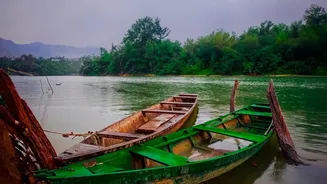
for a more intimate experience with nature. Attractions like Banasura Sagar Dam, India's largest earthen dam, look spectacular with the reservoir full and the surrounding hills shrouded in mist. For the adventurous, trekking to Chembra Peak offers misty trails and panoramic views, though it's crucial to check weather advisories before setting out. For a quieter day, a boat ride on the serene Pookode Lake, surrounded by rain-washed forests, is an unforgettable experience.
Coorg, Karnataka: The Scotland of India
Known officially as Kodagu, Coorg’s rolling hills and coffee plantations take on a magical quality in the monsoon. Waking up to the aroma of coffee while clouds drift past your window is a signature Coorg experience. The season brings Abbey Falls to its full, roaring glory, a powerful spectacle surrounded by lush greenery. A visit to Raja's Seat in Madikeri offers stunning views of mist-covered valleys, creating a peaceful and photogenic setting. While the rains make the landscape incredibly beautiful, it's wise to be cautious. Roads can be slippery, and it's best to check local conditions before driving through the winding ghats. For those seeking tranquility, a plantation stay offers a perfect escape, combining cosy comfort with the raw beauty of the rain-soaked countryside.
Kodaikanal, Tamil Nadu: Princess of Hill Stations
Kodaikanal in the monsoon is a quieter, more soulful version of its peak-season self. The rains transform this hill station into a hushed, cloud-wrapped haven where mist drifts through pine forests and waterfalls thunder at full force. The star-shaped Kodai Lake becomes even more picturesque, reflecting the moody, cloud-heavy sky, perfect for a misty boat ride. Key attractions like Silver Cascade Falls and Bear Shola Falls are at their most powerful and dramatic during this time. A slow walk along Coaker's Walk, with clouds for company, offers breathtaking views of the rain-washed plains below. The season is less about ticking off a list of sights and more about soaking in the peaceful atmosphere, making it ideal for those seeking calm over chaos.
Shillong & Cherrapunji, Meghalaya: Abode of Clouds
For the ultimate rain lover, there is no place like Meghalaya, the 'abode of clouds'. During monsoon, Cherrapunji (Sohra) lives up to its reputation as one of the wettest places on earth, with waterfalls like Nohkalikai and Seven Sisters Falls cascading in their full, thunderous glory. The landscape becomes a canvas of deep greens and dramatic, low-hanging clouds. A drive from Shillong to Cherrapunji is a scenic journey through mist-covered hills. This is also the best time to witness the unique living root bridges, which look even more ancient and mystical amidst the damp, lush surroundings. While some may be deterred by the heavy rainfall, it is the very reason to visit, offering a truly immersive and spectacular natural experience with fewer tourists.
South Goa: A Quieter Coastal Charm
Goa during the monsoon is a world away from its popular image of sunny beaches and parties. It becomes a tranquil, green retreat, especially in the south. The beaches, like Palolem and Agonda, are quiet and dramatic, perfect for long, contemplative walks with the churned-up Arabian Sea as your soundtrack. Instead of beach shacks, the focus shifts inland to lush spice plantations near Ponda, which are fragrant and vibrant after the rains. A major highlight is the Dudhsagar Waterfalls on the Goa-Karnataka border, which transforms into a formidable, roaring cascade. Exploring the colourful Latin Quarter of Fontainhas in Panjim during a light drizzle feels like walking through a watercolour painting, offering a peaceful and culturally rich experience.