





The Real Risks of Monsoon Street Food
As the rain pours down, the allure of street-side pakoras and chaat is undeniable. However, the monsoon season presents significant health risks. High humidity and ambient moisture create a perfect breeding ground for harmful bacteria like E. coli and Salmonella
to multiply rapidly. Street food vendors often face challenges with hygiene, including the potential use of contaminated water for cooking and washing, which can lead to waterborne diseases such as typhoid, cholera, and jaundice. Furthermore, ingredients may be exposed to the elements, and cooking oils are often reused, which can cause digestive issues ranging from bloating to severe food poisoning. The digestive system can also become more sluggish during this season, making it harder to process heavy, oily foods.
The Clear Benefits of a Home Cafe
Shifting your cafe experience indoors offers numerous advantages, with hygiene being the most significant. When you cook at home, you have complete control over the quality of your ingredients and the cleanliness of your kitchen. You can ensure that all vegetables are washed thoroughly, use filtered or boiled water, and maintain sanitized cooking surfaces. This drastically reduces the risk of foodborne illnesses. Beyond safety, cooking at home is also cost-effective and allows for customization to suit your dietary needs—like reducing oil or adding immunity-boosting spices such as ginger, turmeric, and garlic. The act of cooking itself can be a relaxing, mindful activity, offering a creative outlet that boosts your mood on a gloomy, rainy day.
Classic Comfort: Onion and Potato Bhajiyas
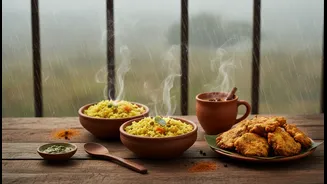
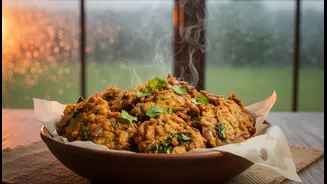
No monsoon experience is complete without a plate of hot, crispy bhajiyas or pakoras. To make them at home, you’ll need one large onion and one large potato, both thinly sliced. For the batter, mix one cup of besan (gram flour) with a quarter cup of rice flour for extra crispness. Add half a teaspoon of turmeric powder, half a teaspoon of red chilli powder, a pinch of ajwain (carom seeds) for digestion, and salt to taste. Add water gradually to form a thick, lump-free batter that coats the vegetables well. Heat oil in a deep pan. Dip the vegetable slices in the batter and carefully drop them into the hot oil. Fry until golden brown and crisp. For a healthier alternative, you can try baking or air-frying the pakoras. Serve immediately with mint chutney or a hot cup of masala chai.
The Perfect Sip: Masala Chai and Beaten Coffee
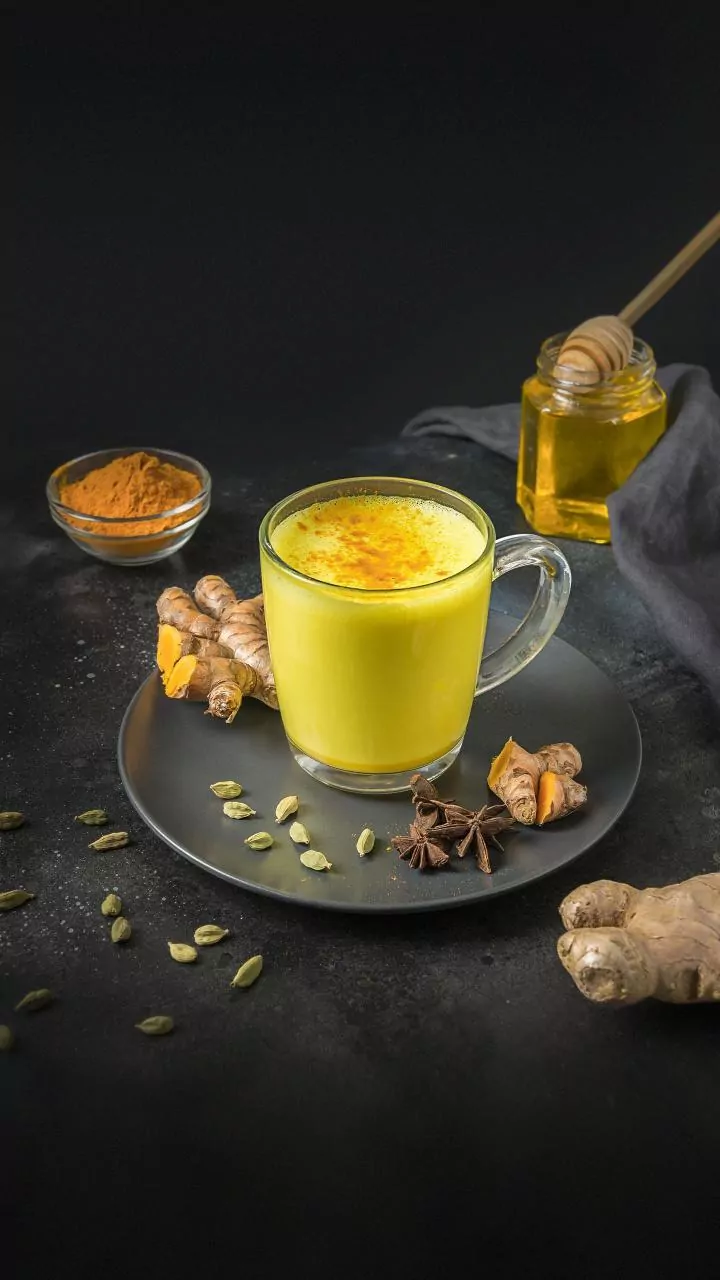
A warm beverage is essential for the rainy-day cafe feel. For a classic Adrak Chai, bring one cup of water to a boil with half an inch of freshly crushed ginger and two cardamom pods. Add one teaspoon of black tea leaves and let it simmer for two minutes. Pour in half a cup of milk, add sugar to your preference, and bring it to a final boil before straining. For a simple and frothy coffee, try the 'beaten coffee' method. In a mug, combine two teaspoons of instant coffee powder, two teaspoons of sugar, and one teaspoon of hot water. Vigorously beat the mixture with a spoon for several minutes until it becomes a light, pale, and creamy paste. Top with hot milk, stirring gently to combine.
Practical Next Steps for a Safe Monsoon Kitchen
To ensure your home cafe is a safe haven, a few practical steps are crucial. First, always wash your hands thoroughly before and after handling food. Wash all fruits and vegetables under clean, running water; soaking them in salt water for a few minutes can help remove germs. Use separate cutting boards for raw and cooked foods to prevent cross-contamination. Store perishable items like milk and meat in the refrigerator promptly and keep dry ingredients like flour and spices in airtight containers to protect them from moisture. It's best to cook food in smaller batches to be eaten fresh, as leftovers can spoil more quickly in the humid weather. Finally, ensure your kitchen surfaces and sink are cleaned and disinfected regularly.