





An Unprecedented Tourism Boom
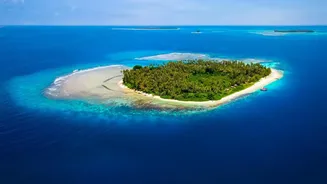
The allure of Lakshadweep's pristine beaches and turquoise lagoons is no longer a secret. Following a high-profile prime ministerial visit in January 2024, the islands witnessed a massive spike in interest and arrivals. RTI data revealed that tourist
numbers jumped from just over 3,800 in 2020 to more than 68,000 in 2024. In response to this demand, and to further promote the islands as a premier destination, the administration has taken steps to streamline access. In April 2026, long-standing rules were eased, removing the need for Indian tourists to have a local sponsor or a police clearance certificate to apply for the mandatory entry permit. While security checks remain, this simplification is a clear signal of the government's intent to welcome more visitors to its shores.
A Paradise Under Pressure
The surge in tourism, however, places immense pressure on the islands' delicate ecosystem and limited resources. A significant challenge is the mounting waste crisis. With limited land and most goods arriving from the mainland wrapped in plastic, the islands' waste management systems are struggling to cope. The tourism boom directly contributes to this, with single-use plastics from hotels and resorts adding to the strain. Beyond waste, the physical presence of more people poses a threat. Unregulated activities, such as tourists walking on shallow reefs, can cause irreparable damage to the living coral structures. Increased boat traffic and coastal development for tourism infrastructure also contribute to pollution and habitat degradation, threatening the very beauty that draws visitors in the first place.
The Climate Change Reality
The most formidable threat to Lakshadweep's coral reefs is not tourism alone, but the global crisis of climate change. The archipelago's reefs have been severely impacted by recent mass bleaching events, caused by rising sea temperatures. The 2024 event was particularly devastating, with scientists noting record-setting heat stress in the region. This is not a new problem. A long-term study monitoring the reefs from 1998 to 2022 revealed a staggering 50% decline in live coral cover. While corals can recover from bleaching, they need several years without stress to do so, a window that is shrinking as marine heatwaves become more frequent and intense. This grim reality directly challenges the notion that the reefs are currently being preserved.
The Blueprint for Sustainability
Despite these challenges, there is a conscious effort to chart a sustainable path forward. The administration's official policy promotes eco-tourism, with an emphasis on plastic-free initiatives and community participation. New large-scale tourism projects, such as the Taj-branded luxury resorts expected to open by 2026, are required to undergo Environmental Impact Assessments (EIAs) to ensure development is eco-friendly. The core of the strategy relies on the permit system, which, despite recent simplifications, remains mandatory for all non-islanders. This system is designed to control the total number of visitors, preventing the kind of overcrowding that has plagued other destinations. The goal is to create a model of low-volume, high-value tourism that respects the archipelago's ecological limits.
A Glimmer of Resilience
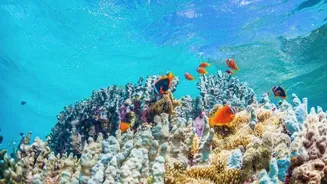
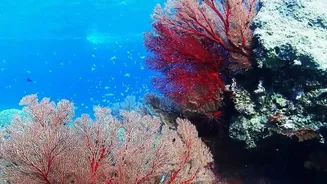
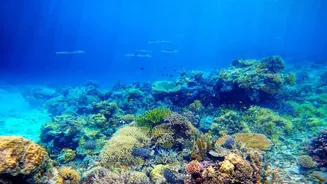
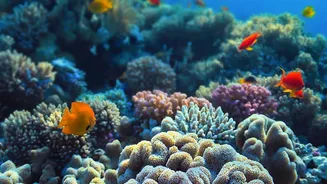
Amid the sobering news of coral decline, a discovery in early 2026 offered a ray of hope. Researchers found a vibrant and healthy stretch of coral reef near Kalpeni island, thriving despite the stressful conditions affecting other areas. This reef is seen as a symbol of resilience, proving that strong coral ecosystems can survive even in the era of climate change. Scientists view this discovery as a vital 'live laboratory'—a chance to study what makes certain corals more resilient and how those lessons can be applied to conservation and management efforts across the archipelago. While this healthy reef is an exception rather than the rule, it provides a crucial focus for future protection and a powerful reminder of what is at stake.