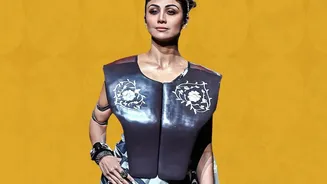





When fitness icon Shilpa Shetty demonstrates an advanced yoga posture, it’s more than just a display of flexibility; it's a masterclass in discipline. Her recent execution of Gupta Padmasana, or the Hidden Lotus Pose, highlights this perfectly.
What Is the Hidden Lotus Pose?
Gupta Padmasana,
or the Hidden Lotus Pose, is an advanced variation of the classic Padmasana (Lotus Pose). It involves sitting in the full lotus position, then carefully leaning forward to stand on the knees. From there, the practitioner lowers their entire torso to the ground, resting the chest and chin on the mat while the legs remain in the lotus cross. The pose is often completed by bringing the arms behind the back, sometimes into a reverse prayer position. The name 'Hidden Lotus' comes from the way the legs in the lotus position are tucked beneath the prone body, almost concealed from view. It is a deep, introspective posture that combines hip opening, spinal flexibility, and balance.
Why This Pose Is Truly Advanced
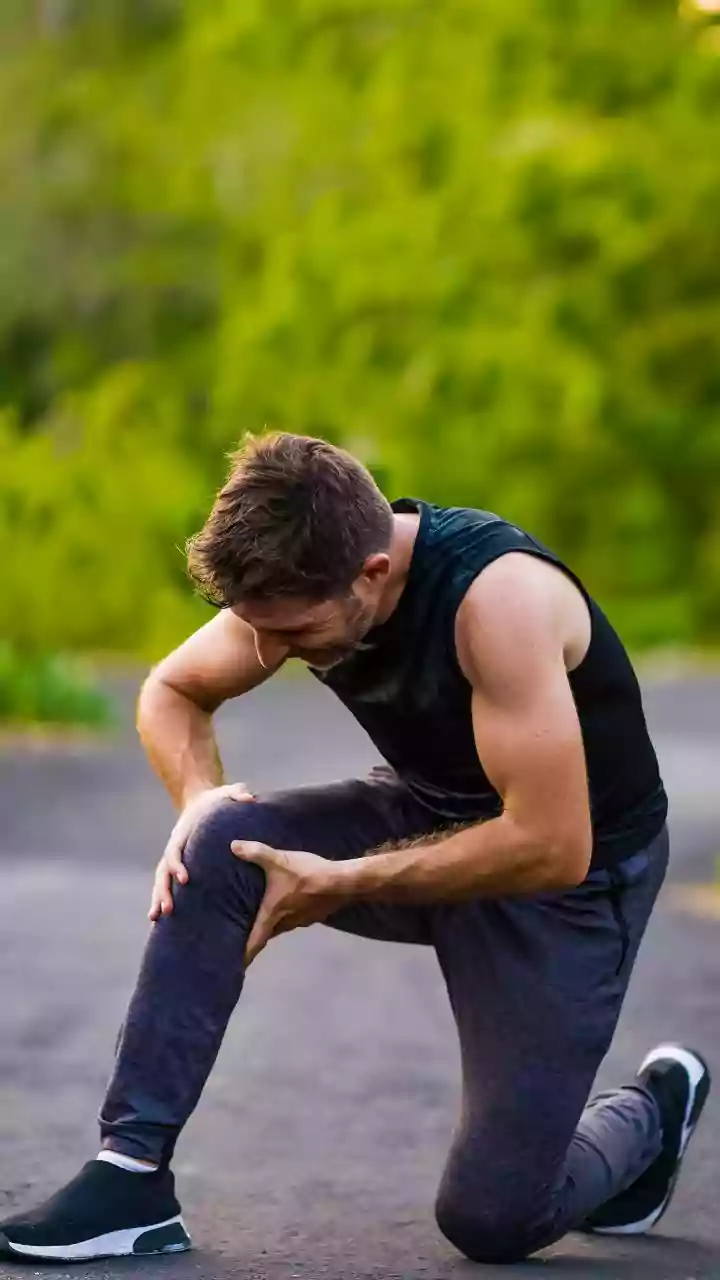
Achieving the Hidden Lotus is not merely a matter of being flexible. It demands a significant degree of pre-existing mobility in several key areas. The foundation is a comfortable and stable Padmasana, which itself requires tremendous external rotation in the hips. Forcing the legs into lotus without sufficient hip opening can transfer dangerous torque to the knees, risking serious injury to the ligaments and meniscus. Beyond the hips, Gupta Padmasana challenges the flexibility of the knees and ankles, which must support the body's weight in a vulnerable position. It also requires core strength for stability and significant shoulder and chest openness to achieve the final expression of the pose with the arms bound behind the back. It is a posture that must be approached with caution and respect for the body's limits.
The Crucial Role of Controlled Movement
Shilpa Shetty’s practice underscores the most vital element of any advanced asana: controlled movement. Kicking, jerking, or forcing your way into a pose is a recipe for injury. Instead, the journey into Gupta Padmasana must be slow, deliberate, and guided by breath. Controlled movement ensures that the muscles are properly engaged to protect the joints. For instance, moving into lotus should originate from the hip joint, not by twisting the knee. As one transitions from sitting to kneeling, and then to the prone position, it is core engagement and slow, steady motion that prevent loss of balance and undue pressure on the joints. This mindful approach transforms the pose from a physical challenge into a practice of deep body awareness. It's about listening to your body's signals and backing off when you feel pain, rather than pushing through it.
Benefits of a Mindful Practice
When practiced correctly, the benefits of Gupta Padmasana extend beyond the physical. It provides a deep stretch for the hips, pelvis, knees, and ankles, enhancing lower body mobility. The chest-opening aspect helps counteract the rounded shoulders and poor posture that often result from long hours of sitting. On a mental level, the intense focus required cultivates concentration and calms the nervous system, making it a powerful preparatory pose for meditation. Ancient texts suggest that such poses help seal energy (prana) within the body, promoting a sense of stability and emotional balance. The very act of surrendering the body to the floor in this pose can encourage a release of stress and anxiety.
Your Path to Progress: A Step-by-Step Approach
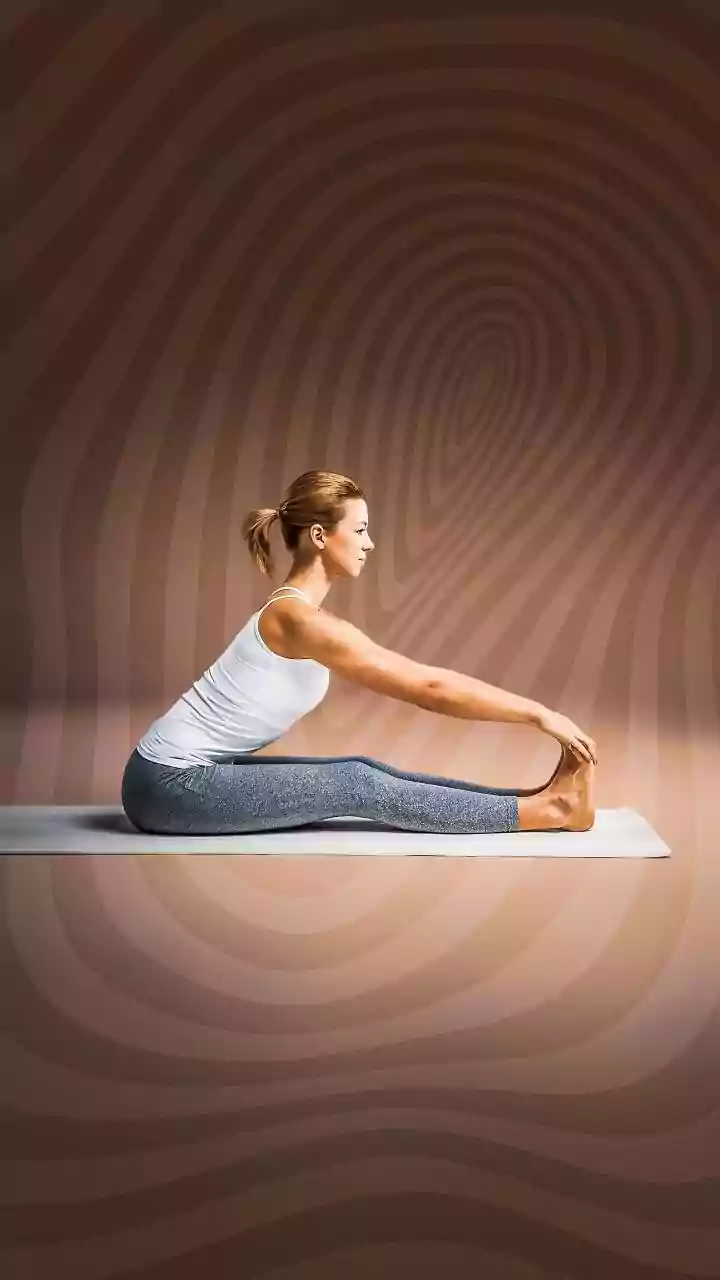
The Hidden Lotus is not a beginner's pose. It's a goal that may take years to achieve safely, and for some, it may not be anatomically possible due to bone structure. The journey is more important than the destination. To work towards this posture, focus on foundational poses that build the necessary flexibility and awareness. Start with regular practice of hip-openers like Baddha Konasana (Butterfly Pose) and Janu Sirsasana (Head-to-Knee Pose). Mastering Padmasana (Full Lotus) without any knee pain is an absolute prerequisite. You can practice Ardha Padmasana (Half Lotus) to gradually increase flexibility. Always listen to your body, use props for support, and practice under the guidance of a qualified instructor who can provide personalized adjustments and ensure your alignment is safe.