


The Damp Danger Zone: Why Wet Paws Are a Problem
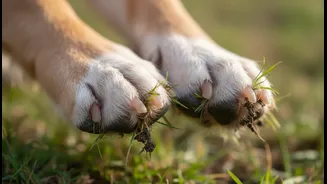
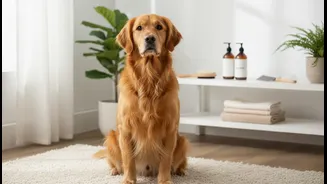
That pitter-patter of wet paws on the floor is a familiar monsoon sound, but the moisture lingering between your pet's toes is where the trouble begins. The warm, damp spaces between paw pads are the perfect environment for yeast (Malassezia) and bacteria
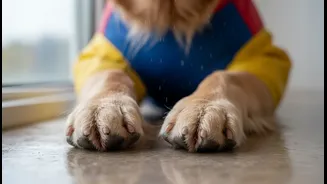
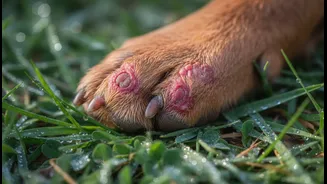
to multiply out of control. This can lead to a common and uncomfortable condition called pododermatitis, which is essentially inflammation of the paw skin. An overgrowth of yeast can cause intense itching, leading your dog to constantly lick and chew at their feet. This licking introduces more moisture, worsening the cycle and potentially leading to stained fur, a musty odour often compared to corn chips, and sore, inflamed skin. If left unaddressed, these minor irritations can escalate into painful infections that make walking difficult.
Step 1: The Post-Walk Clean-Up Kit
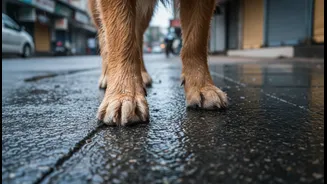
Being prepared is half the battle. Before you even get to drying, a quick clean is essential, as paws pick up all sorts of contaminants from wet streets. Having a dedicated clean-up station by your door makes this a seamless routine. Your kit should include a few key items. First, highly absorbent microfiber towels are a must; they are more effective at soaking up water than standard cotton towels. Second, consider pet-safe antiseptic or cleaning wipes to remove mud and potential germs. For a deeper clean on particularly muddy days, a bowl of lukewarm water for a quick rinse is effective. Finally, having some high-value treats on hand can help make the paw-cleaning process a positive experience for your pet, especially if they are initially resistant.
Step 2: The Art of the Thorough Towel Dry
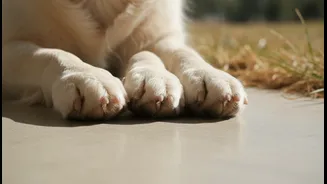
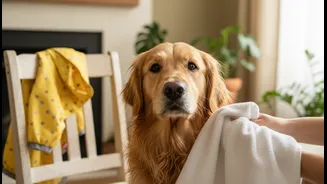
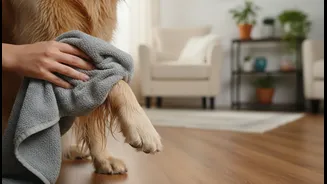
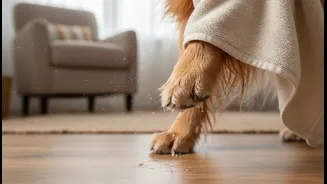
Once the paws are clean, the drying process begins. The most common mistake pet owners make is a quick, superficial wipe. The key to preventing fungal growth is to be thorough. Use your microfiber towel and gently but firmly pat the paws dry. It's crucial to get in between each toe and around every pad, as this is where moisture loves to hide. Avoid rubbing vigorously, which can cause irritation to already sensitive skin. For pets with long fur, this step is even more critical, as the hair can trap a significant amount of water. Take your time to ensure every part of the paw is completely dry to the touch. This simple, focused effort is your primary defence against creating a welcoming habitat for fungus.
Step 3: Advanced Drying for Extra Protection
For some pets, especially those with thick fur or who are particularly prone to infections, a towel dry might not be enough. This is where a blow dryer can be a useful tool, but it must be used with extreme caution. Never use a human hair dryer on a high heat setting, as it can easily burn your dog's sensitive skin. Opt for a pet-specific dryer if possible, or use your own dryer on its lowest heat or cool setting. Hold the dryer at least six to twelve inches away from the paw and keep it constantly moving to avoid concentrating heat on one spot. Make the introduction to the dryer a gradual and positive process with plenty of treats and praise. The goal is to gently circulate air to evaporate the last traces of moisture, not to blast them with heat.
Preventative Care and Red Flags
Beyond drying, a few proactive steps can make a big difference. Keeping the fur between your pet's paw pads neatly trimmed reduces the amount of moisture and debris that gets trapped. For pets who are comfortable wearing them, waterproof booties can be a great way to keep paws dry and clean from the start. It's also vital to know the warning signs of an infection. Be on the lookout for persistent licking or chewing, redness and swelling, a foul or yeasty odour, or any discharge from the paws. You might also notice reddish-brown staining on the fur from their saliva or see your pet limping or reluctant to walk. A change in skin texture, like crusty or scaly patches, is another red flag.