





The Problem with Tight Elastics
Traditional elastic hair ties might seem like a quick and easy solution, but they can be surprisingly harsh on your hair. The core issue lies in two main factors: friction and tension. Standard elastics are often made from synthetic materials like polyester
or nylon, and their primary job is to grip hair tightly to hold a style in place. This grip creates significant friction, causing the hair's outer layer, the cuticle, to lift and roughen. When you remove the tie, this friction can snag and pull, leading to a phenomenon called mid-shaft breakage—those short, snapped hairs you see around your ponytail holder. Furthermore, the narrow design of a typical elastic concentrates all the holding pressure onto a very small area of your hair. This constant, localised stress weakens the hair shaft over time, making it brittle and prone to snapping. Many elastics also feature a metal clasp or glue seam, which acts as a major snag point, literally tearing strands during removal.
How Soft Fabrics Change the Game
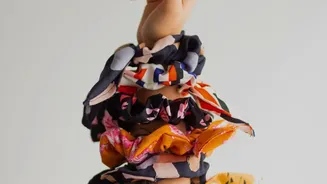
Soft fabric hair bands, such as scrunchies made from silk, satin, or even gentle cotton, work on a completely different principle. Instead of gripping aggressively, their smooth surfaces allow hair to glide. Materials like silk have a very low coefficient of friction, which means they slide over the hair cuticle without catching or roughing it up. This not only prevents frizz but also drastically reduces the chances of breakage when you put your hair up or take it down. The design of a fabric band, particularly a scrunchie, also plays a crucial role. The fabric acts as a protective barrier between your hair and the inner elastic. More importantly, its wider surface area distributes the tension much more evenly across the hair strands. This eliminates the intense pressure points created by thin elastics, reducing the risk of a lasting crease or dent in your hair and minimising stress on the strands themselves.
Beyond Breakage: The Impact on Your Scalp
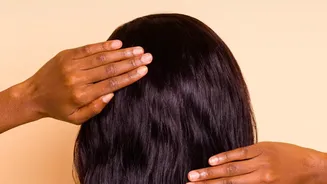
The damage from tight hairstyles isn't limited to just the hair strands; it affects the follicle and scalp, too. The constant pulling from a tight ponytail can lead to a condition known as traction alopecia, a type of hair loss caused by prolonged mechanical stress on the hair roots. This condition often appears as thinning around the hairline and temples, areas that bear the brunt of the tension. While it's often reversible if caught early, chronic tension can lead to permanent follicle damage and hair loss. Soft fabric bands help mitigate this risk. Because they can hold hair securely without requiring as much tightness, they place significantly less strain on the scalp. Many users also report fewer 'ponytail headaches', which are often caused by the intense pulling on the scalp muscles from an overly tight hairstyle. Opting for a gentler hold is a simple way to protect not just your hair's length, but its roots as well.
Making a Healthier Choice for Your Hair
Making the switch is simple. When choosing a hair accessory, prioritise materials that are soft and smooth. Silk is often considered the gold standard because its natural protein structure is gentle on hair and helps retain moisture. Satin, often made from polyester, is a more budget-friendly alternative that still offers a smooth glide and reduces friction significantly compared to bare elastic. Even soft cotton can be a better option. Beyond the material, look for a seamless design that eliminates any potential for snagging. It's also a good habit to vary the placement of your ponytail—wearing it high one day and low the next—to avoid repeatedly stressing the same section of hair. And whenever possible, give your hair a break from being tied up, especially overnight. Using a silk pillowcase can also help reduce friction while you sleep.