


Hampi: A Journey into a Lost Empire
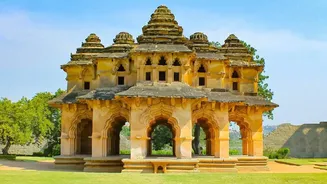
Hampi, a UNESCO World Heritage Site, is not just a collection of ruins; it's the ghost of a glorious past. Once the capital of the formidable Vijayanagara Empire, it was one of the world's richest cities in the 15th and 16th centuries. Today, its remnants
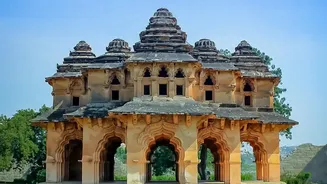
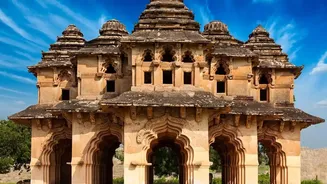
are spread across a surreal landscape of giant granite boulders and lush banana plantations, bisected by the gentle Tungabhadra River. The entire area feels like an open-air museum covering over 4,100 hectares, with more than 1,600 surviving structures that include temples, palaces, and royal complexes. Walking through Hampi is like stepping back in time, where every stone tells a story of grandeur and eventual decay.
The Sacred Heart of Hampi
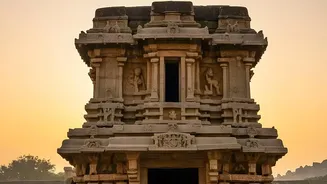
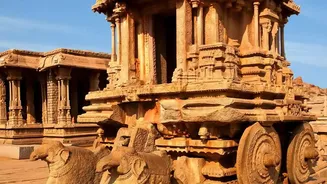
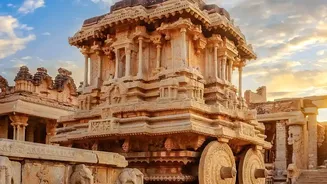
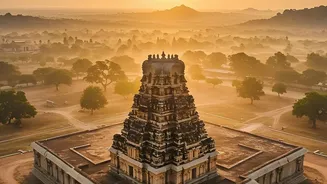
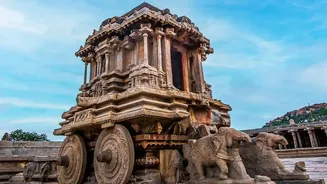
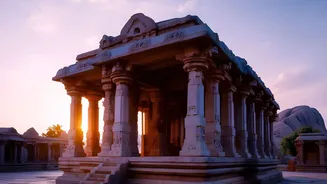
The spiritual epicentre of Hampi is the Virupaksha Temple, a magnificent structure that has been an active site of worship since the 7th century. Its towering gopuram dominates the landscape and Hampi Bazaar, a street that was once a thriving market for gems and ivory. A short distance away lies the Vijaya Vittala Temple, an architectural masterpiece dedicated to Lord Vishnu. This complex is famous for its iconic Stone Chariot, a monument so intricately carved it appears to be monolithic, and its fascinating musical pillars, which produce melodic sounds when tapped. Other unmissable sites include the massive monolithic statue of Ugra Narasimha and the serene Hazara Rama Temple, which was once the private temple for the royal family.
Gokarna: Where Coastline Meets Calm
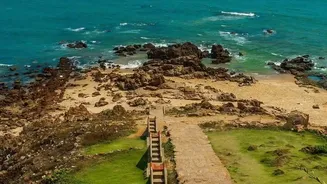
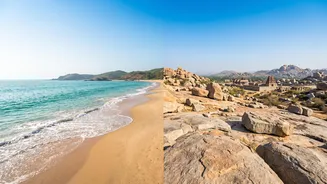
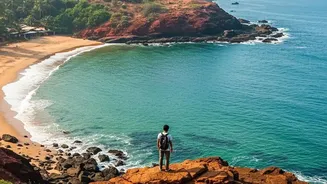
Transitioning from history to hypnotic shores, Gokarna offers a completely different side of Karnataka. Primarily a Hindu pilgrimage town, it has gained fame for its string of beautiful, unspoiled beaches. Unlike more commercialized coastal destinations, Gokarna retains a laid-back, spiritual vibe. The town itself is centred around the ancient Mahabaleshwar Temple, but for most travellers, the real allure lies in the coastline just to its south. Here, a series of five distinct beaches are connected by scenic trekking trails that wind over cliffs and through lush greenery, offering stunning views of the Arabian Sea.
A Tale of Five Beaches
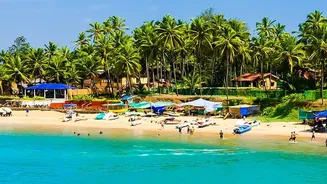
Gokarna's charm is best experienced by exploring its five main beaches, each with a unique personality. Kudle Beach is a long, C-shaped stretch of sand known for its relaxed cafes and beautiful sunsets, popular with slow travellers and those looking for a social but peaceful vibe. A short trek away is Om Beach, named for its natural shape resembling the sacred Hindu symbol 'Om'. It is the hub for water sports like banana boat rides and jet skiing. For more seclusion, a further trek or a boat ride will take you to Half Moon Beach and the remote Paradise Beach, both perfect for those seeking tranquility away from the crowds.
Planning Your Karnataka Itinerary
The best time to visit both Hampi and Gokarna is during the winter months, from October to February, when the weather is pleasant and ideal for sightseeing and beach activities. Summers (March to June) can be intensely hot in Hampi, while the monsoon (July to September) brings lush greenery but can make trekking difficult.Traveling between the two destinations is straightforward. The most common option is an overnight bus, which takes approximately 7 to 8 hours, connecting the two locations directly. Alternatively, you can take a train from Hospet (the nearest station to Hampi) to Gokarna Road, though this may involve transfers. This journey allows you to experience two profoundly different, yet equally captivating, facets of Karnataka's rich cultural and natural tapestry.