

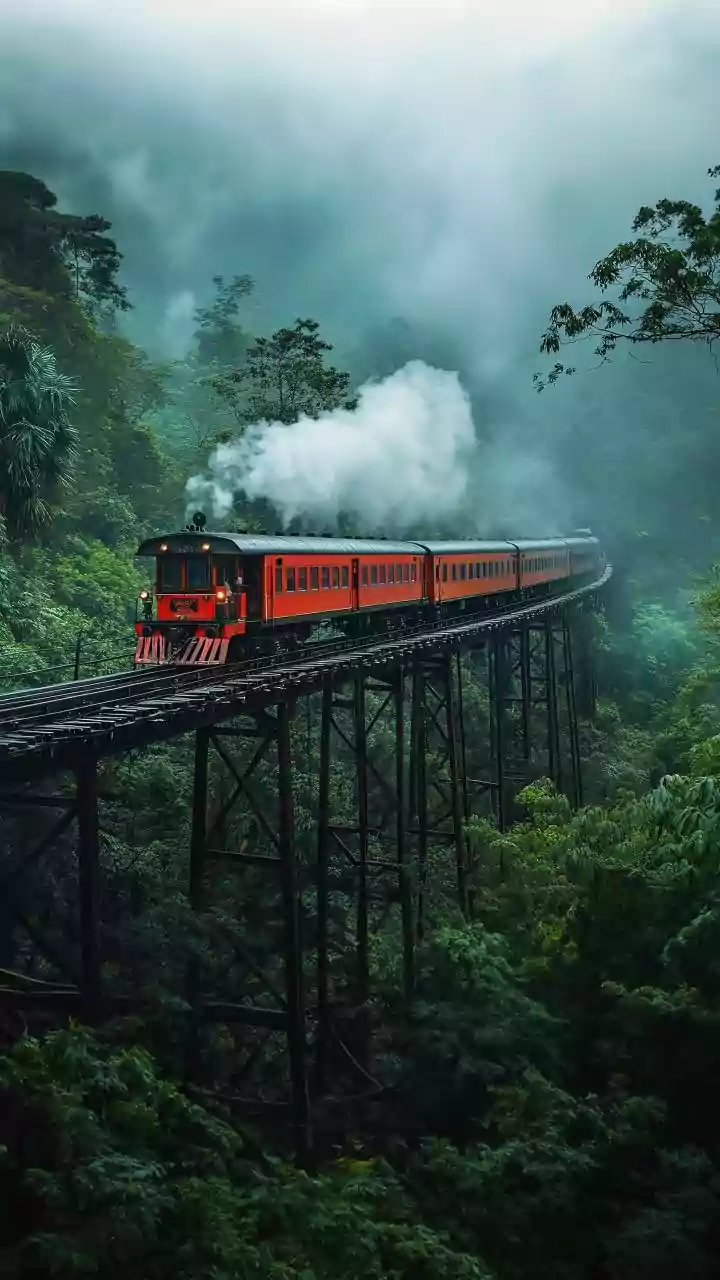

Planning Your Monsoon Expedition
A monsoon drive to Agumbe, often called the 'Cherrapunji of the South', is an adventure that demands preparation. Before you start, ensure your vehicle is in prime condition. Check your tyres for adequate grip, test your wipers, and make sure all lights,
especially fog lamps, are functional. The drive is approximately 350-380 km and can take 7 to 9 hours, but plan for longer due to slower speeds on wet roads. Pack wisely: waterproof jackets are essential, and an extra pair of dry socks can be a small but significant comfort. For your electronics, carry a power bank as network signals and electricity can be unreliable. Most importantly, embrace the spirit of the journey; this is not a trip to be rushed.
Choosing the Best Route
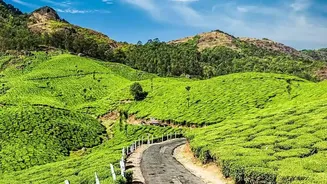
You have a couple of scenic routes from Bangalore. The most common one is via Hassan and Belur, which offers good roads and chances to see historical sites along the way. An alternative route through Chikmagalur is slightly longer but rewards you with some of the most stunning vistas of the Malnad region, complete with coffee estates. After the town of Thirthahalli, the road character changes, becoming a narrower, winding ghat road that requires careful driving. During the monsoon, authorities often restrict the movement of heavy vehicles on the Agumbe Ghat to prevent landslides, which can make the drive smoother for cars but also indicates the need for caution. Always check for real-time traffic advisories and road conditions before you depart.
Mastering Monsoon Photography
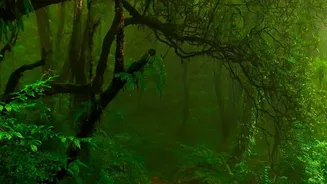
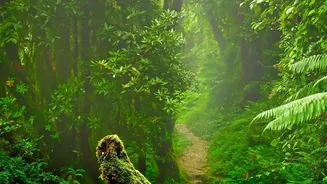
Photographing Agumbe's rainforest in the rain is a rewarding challenge. The key is protection and embracing the conditions. Keep your camera in a waterproof bag and use a rain cover or even a simple umbrella while shooting. A microfibre cloth is your best friend for wiping moisture off the lens. Instead of chasing grand vistas that might be lost in fog, focus on the details. The monsoon brings out a rich palette of subjects: vibrant green moss, colourful fungi, countless insects, and amphibians. Macro photography can yield spectacular results. Use a polarising filter to cut through glare on wet leaves and deepen the greens. The soft, diffused light of an overcast day is perfect for forest interiors, eliminating the harsh shadows of direct sunlight.
Key Sights in and Around Agumbe
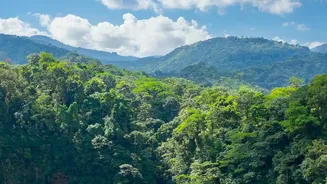
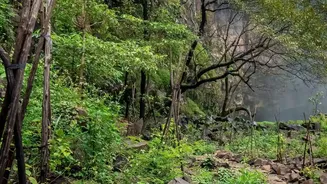
Agumbe and its surroundings are dotted with natural wonders that are at their peak during the monsoon. Waterfalls are the main attraction, including Onake Abbi Falls, Barkana Falls, and Jogi Gundi Falls. Access to some of these may be restricted during heavy rains for safety reasons, so it's wise to check with local authorities or your homestay host. Kundadri Hill offers panoramic views of the dense rainforest and is home to a 17th-century Jain temple. The famous Sunset View Point, just a short walk from Agumbe village, may not offer a clear sunset, but the sight of mist-laden clouds rolling across the valleys is a breathtaking spectacle in itself. For a taste of nostalgia, you can visit Doddamane, the house where the iconic TV series 'Malgudi Days' was filmed.
Safe Driving in the Ghats
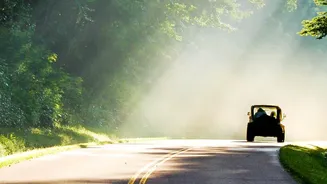
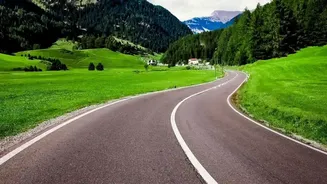
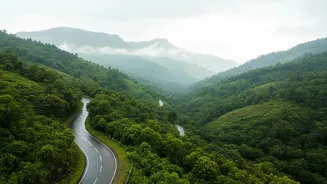
The Agumbe Ghat road, with its sharp hairpin bends and steep gradients, demands your full attention. During the monsoon, roads can be extremely slippery due to rain and wet leaves. Drive at a moderate, controlled speed and avoid sudden braking or acceleration. Honk at blind turns to alert oncoming traffic. Maintaining a safe distance from the vehicle ahead is crucial. Poor visibility from fog and heavy rain is a common hazard, so use your fog lamps and be prepared for slow progress. It is highly recommended to avoid driving through the ghat sections at night during the monsoon. Given the remote nature of the area, ensure you have enough fuel before entering the main ghat section, as facilities are sparse.