



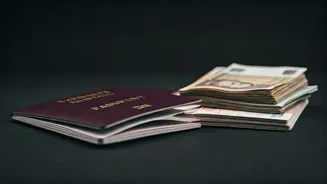


The Visa: Your First Hurdle
Let’s be clear from the start: Japan does not offer a visa-on-arrival for Indian citizens. Securing a visa in advance is mandatory, and this is where your discipline begins. The Japanese visa process is known for its precision, and even minor errors can
lead to rejection without explanation. There are two primary routes for a tourist visa: the traditional sticker visa obtained through VFS Global centres and the newer single-entry eVisa. The eVisa is convenient, delivering a digital ‘visa issuance notice’ to your phone. However, this must still be applied for via an authorised agency or VFS, not directly on a government portal. Remember, for the eVisa, you must present the live notice on your device at immigration; screenshots or printouts are not accepted. Multiple-entry visas still require the traditional paper application process.
Your Essential Document Checklist
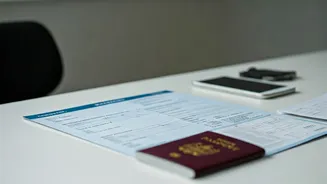
Think of this as your pre-travel mission. Every document must be accurate, consistent, and complete. Inconsistencies in names, dates, or addresses across different documents are a common reason for refusal. Your core file should include: a passport with at least six months' validity and two blank pages; a perfectly completed application form; recent passport photos with a white background (check the specific size requirements); a detailed cover letter explaining your trip’s purpose; and a day-by-day travel itinerary. In addition to these, you'll need confirmed flight and hotel bookings. While booking non-refundable tickets feels risky, the embassy requires a confirmed itinerary to show your travel intent is genuine. This is a delicate balance that requires careful planning.
Proving Your Financial Standing
The visa officer needs assurance that you can comfortably fund your trip and have compelling reasons to return to India. This is demonstrated through strong financial and employment documents. You will need to provide bank statements for the last six months, showing a healthy and stable balance. A sudden large deposit just before applying can raise red flags. It’s about showing a consistent financial history. Alongside bank statements, you must include your Income Tax Returns (ITRs) for the last two or three years. From your employer, you’ll need a No Objection Certificate (NOC) or leave letter, recent salary slips, and sometimes a letter confirming your employment status. These documents collectively paint a picture of stability, which is crucial for approval.
Common Pitfalls to Sidestep
Many applications are rejected for avoidable mistakes. The biggest culprit is inconsistent information. Double-check that your name is spelled identically on every single form, letter, and booking. Applying too late is another common error. While processing can take 5-10 working days, it’s wise to apply at least a month in advance to account for any potential delays. Another major pitfall is an unclear or illogical itinerary. Your plan should make sense. A chaotic schedule that dashes across the country without realistic travel times might be questioned. Finally, be completely honest. If you are staying with a friend, apply for the appropriate visa type; don't pretend to be a tourist staying in a hotel if your documentation suggests otherwise. Honesty and consistency are your best assets.
Beyond the Visa: Arrival in Japan
Your paperwork discipline doesn't end once the visa is secured. To ensure a smooth entry into Japan, all travellers are required to complete a customs and immigration declaration. While you can still fill out paper forms on the plane or upon arrival, the highly recommended method is to use the 'Visit Japan Web' service online before you fly. This allows you to pre-register your details and generate a QR code. At the airport, you simply scan this code at the electronic terminals, which can significantly speed up your passage through customs. It’s a final digital step that complements the physical paperwork you so carefully prepared, getting your Tokyo adventure started on the right foot.