


Beyond the Usual Suspects
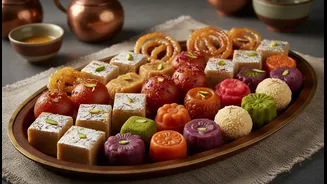
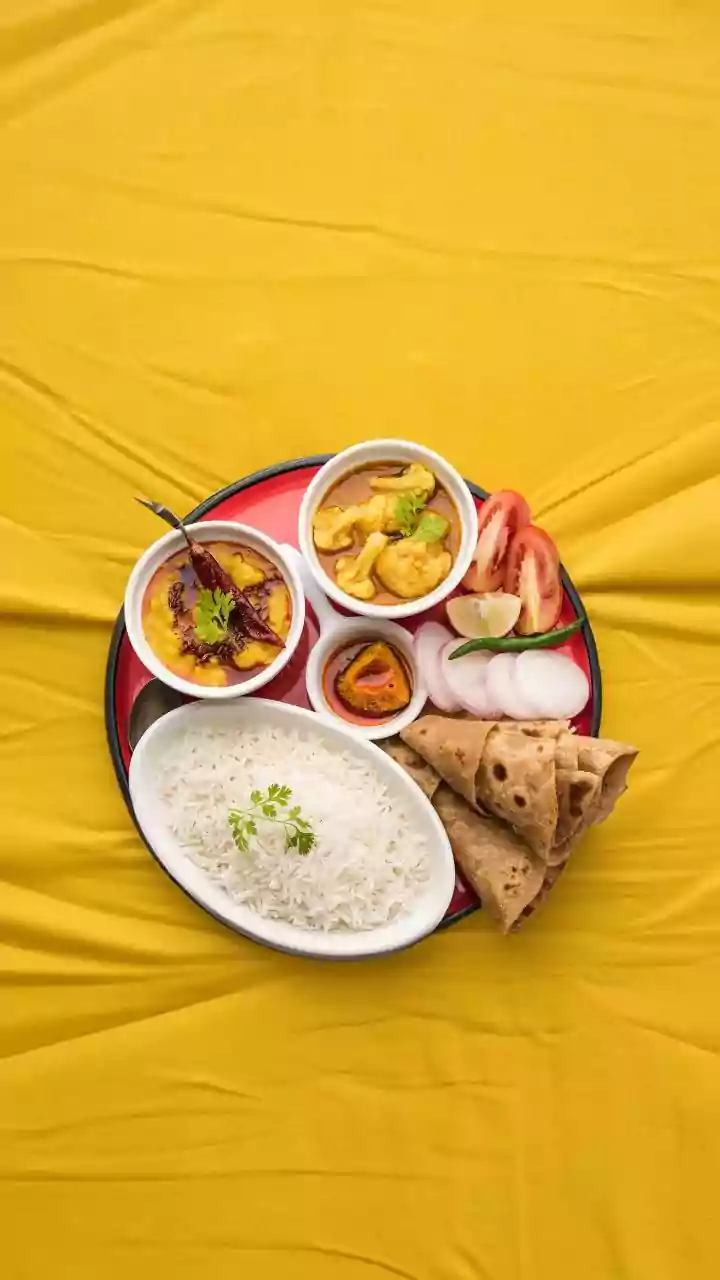
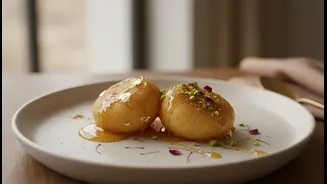
For years, the story of Indian sweets in the mainstream was a familiar one, starring classics like Gulab Jamun, Jalebi, and Kaju Katli. While beloved, they represent just a fraction of India's vast dessert landscape. Now, a sweet revolution is unfolding
on our screens. Hyper-regional specialities, once known only within their communities, are taking the spotlight. Think of the delicate, paper-thin Pootharekulu from Andhra Pradesh, the rich, date-and-jaggery flavours of West Bengal's Nolen Gurer Sandesh, or the dense, ghee-laden Mysore Pak from Karnataka. This isn't just about new flavours; it's a digital rediscovery of India's culinary diversity.
A Feast for the Eyes
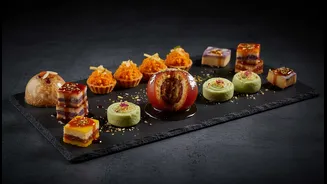
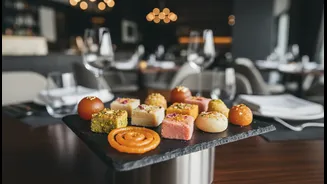
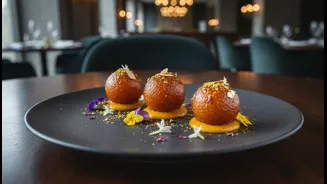
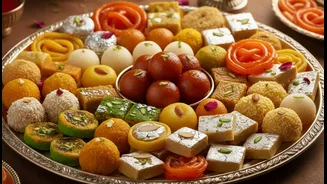
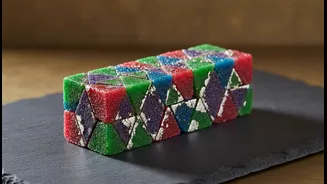
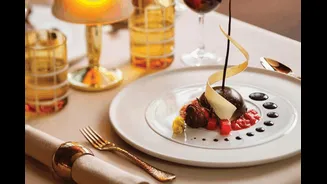
A key driver of this trend is, unsurprisingly, visual appeal. Mithai, with its vibrant colours, intricate shapes, and often shimmering silver or gold leaf (vark), is incredibly photogenic. Artisanal brands and home chefs are leaning into this, presenting their creations with the flair of fine jewellery. Brands like Bombay Sweet Shop, Khoya, and Arq have mastered the art of making mithai 'Instagrammable', using modern packaging, elegant plating, and high-quality photography to transform traditional sweets into luxury items. This focus on aesthetics attracts a younger, social-media-savvy audience, encouraging them to see and share mithai not just as a festive obligation, but as a desirable, aspirational treat.
The Home Chef and Halwai Revival
This resurgence is not just happening in high-end boutiques. A significant force behind this trend is the rise of home chefs and small-scale entrepreneurs. Passionate about preserving their family recipes and local heritage, these creators are using social media platforms to reach a national, and even global, audience. They share not just the finished product, but the stories and intricate processes behind them. This authenticity resonates deeply with consumers looking for genuine, high-quality products. These modern-day halwais are blending generations of knowledge with a keen understanding of today's market, often offering healthier, less sugary, or even vegan versions of classic recipes to cater to modern dietary preferences.
Tradition with a Modern Twist
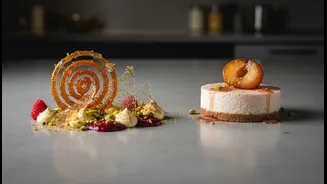
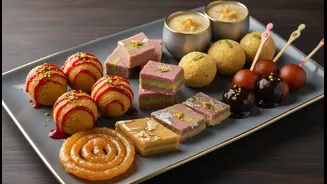
While the revival of pure, traditional recipes is a core part of the story, so is innovation. The dessert feed is buzzing with creative fusion desserts that use mithai as a component. We're seeing Gulab Jamun cheesecakes, Rasmalai tiramisu, Motichoor rabri parfaits, and even Jalebi 'caviar'. Some brands are creating sweets with contemporary flavour profiles like coffee, blueberry, or hazelnut, blending them with traditional Indian forms like the barfi or ladoo. This playful experimentation makes traditional sweets more accessible and exciting for a new generation, bridging the gap between nostalgia and novelty. It’s a sign that mithai is not a static tradition but a living, evolving art form.