






Before You Leave: Preparation is Key
The safest commute is often the one you don't have to take. When a heavy rain alert is issued, the first step is to assess if your travel is essential. Many employers now offer flexible work-from-home options during severe weather; use this if possible.
If you must travel, stay updated by checking official sources like the IMD website and local traffic police social media accounts for real-time information on waterlogging and diversions. This allows you to make informed decisions about your route and timing before you even step out the door. Don't rely on guesswork; a few minutes of research can save you hours stuck in traffic or a dangerous situation.
Vehicle Health Check
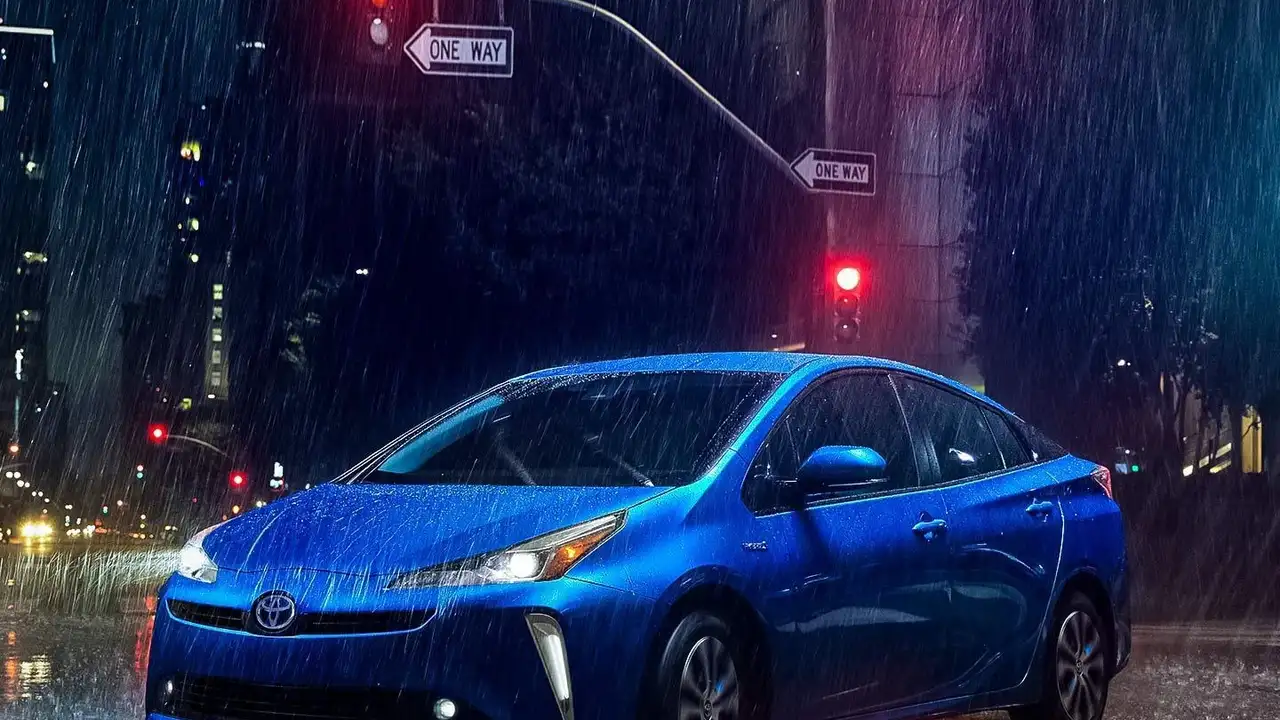
Your vehicle is your first line of defence. Before the monsoon season gets into full swing, and especially before heading out in a downpour, conduct a few basic checks. Ensure your tyres have adequate tread depth to grip wet roads and prevent aquaplaning. Check that your windshield wipers are not worn out and can clear water effectively. Test your headlights, taillights, and indicators, as visibility is drastically reduced during heavy rain. Finally, make sure your brakes are in good working condition, as stopping distances increase significantly on wet surfaces. A well-maintained car is a much safer car in treacherous weather.
Pack a Monsoon Emergency Kit
Getting stranded is a real possibility during urban floods. Being prepared can make a huge difference. Pack a small, waterproof bag with essentials. This should include a fully charged power bank for your phone, a torch, a first-aid kit, and some dry snacks like biscuits or energy bars. A bottle of drinking water is also crucial. An umbrella and a spare towel can add a layer of comfort if you have to venture out of your vehicle. Keeping this kit in your car or backpack means you're not caught completely off-guard if your journey is delayed for several hours.
On the Road: Slow Down and Stay Alert
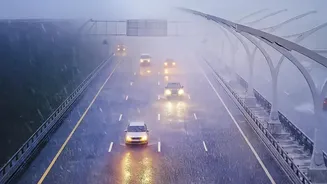
Once you are on the move, your driving behaviour must adapt. The single most important rule is to reduce your speed. Driving fast on wet roads is a recipe for disaster. Maintain a greater distance than usual from the vehicle in front of you; this gives you more time to react and brake safely. Be extra cautious of two-wheelers and pedestrians, who are more vulnerable and harder to spot. Avoid the common mistake of thinking you can rush through the rain. The goal is to reach your destination safely, not quickly.
The Danger of Waterlogged Roads
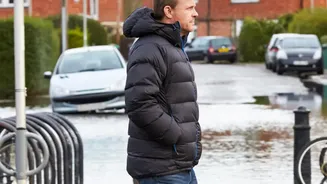
Navigating waterlogged streets is one of the biggest challenges. Never drive into a flooded area if you cannot gauge its depth. Just six inches of water can be enough to cause you to lose control of your vehicle, and two feet can sweep a car away. If you see a submerged road, it's always better to find an alternate route, even if it's longer. Driving through standing water can not only stall your vehicle but also cause severe, irreparable engine damage if water enters the intake—a condition known as hydro-locking. If you do get stuck, do not try to restart the engine repeatedly.
If You Get Stranded
If your vehicle stalls in rising water, your priority must be your personal safety, not the car. If the water level is rising, abandon the vehicle and move to higher ground immediately. It's just not worth the risk. If you are trapped inside and the doors won't open due to external water pressure, stay calm. You may need to wait for the water to partially fill the cabin to equalize the pressure, which will then allow a door to be opened. If you can, roll down a window to escape. Call for emergency assistance as soon as you are in a safe location.