


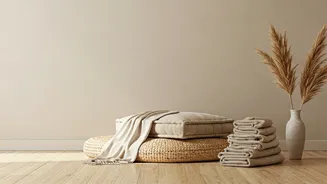


The Allure of Natural Texture
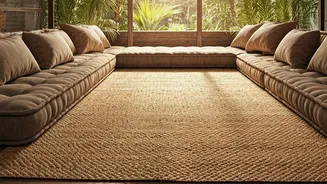
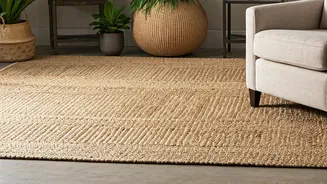
In an age of slick glass and polished metal, there's a growing craving for natural, tactile surfaces. Jute delivers this in spades. Woven from the fibres of the Corchorus plant, which grows abundantly in the Bengal region, these rugs bring an organic,
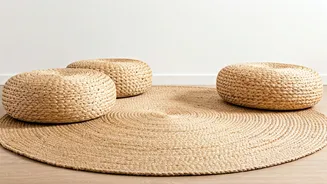
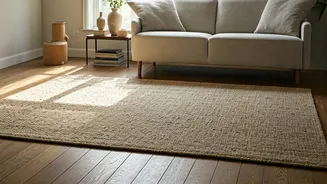
grounding element into our homes. The thick, slightly coarse weave feels substantial underfoot and adds a layer of visual warmth that smooth, synthetic carpets simply can't replicate. It’s a sensory experience; the rug doesn’t just define a space, it adds a rustic, handmade character that makes a room feel instantly more inviting and lived-in.
A Masterclass in Versatility
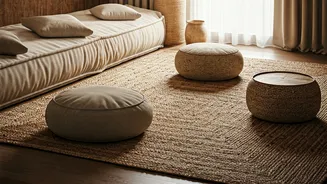
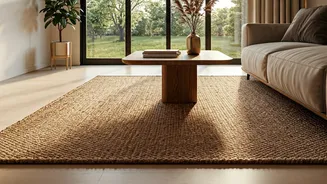
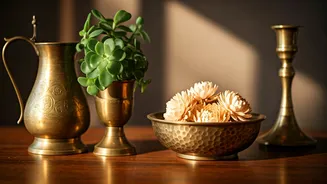
One of the biggest reasons for jute's meteoric rise is its incredible versatility. It's a design chameleon. In a minimalist, Scandinavian-inspired space, a simple jute rug adds necessary warmth and prevents the room from feeling too stark. In a vibrant, bohemian setting filled with colourful textiles and indoor plants, it provides a neutral, earthy base that ties everything together. It even works beautifully with traditional Indian furniture, like carved wooden daybeds or metallic side tables, creating a compelling fusion of old and new. This ability to complement almost any aesthetic—from coastal cool to urban modern—makes it a safe yet stylish investment for any homeowner.
The Art of Layering
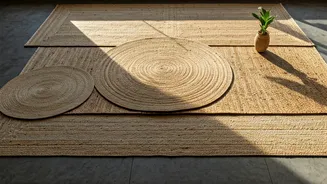
The most sophisticated styling trick seen on decor channels involves not just one rug, but two. Layering a smaller, more colourful or patterned rug (like a vintage kilim or a modern printed dhurrie) on top of a larger jute rug is the secret to a professionally curated look. The jute acts as a neutral, textured frame, making the top rug pop. This technique allows you to define specific zones within a larger room, like creating a cosy seating area in an open-plan living space. It also lets you introduce colour and pattern in a more measured way, without overwhelming the floor.
The Sustainability Stamp
As we become more conscious of our environmental footprint, our shopping habits are changing, and home decor is no exception. Jute is a compelling choice for the eco-aware consumer. It's a fast-growing, renewable resource that requires minimal pesticides or fertilisers. The fibres are biodegradable and compostable, meaning the rug won't languish in a landfill for centuries at the end of its life. Choosing a handwoven jute rug also often means supporting artisanal communities and traditional weaving techniques, adding a layer of ethical satisfaction to your purchase.
Affordable, Attainable Luxury
Perhaps the most practical reason for jute's popularity is its price point. Compared to wool or silk carpets of a similar size, jute rugs are significantly more affordable. This accessibility democratises good design, allowing more people to achieve a high-end, textured look without a hefty budget. It means you can afford to go big and buy a rug that properly fits your space—a key rule of interior design—rather than settling for a smaller, less impactful option. This combination of style, size, and affordability is a winning formula for the modern Indian home.
A Note on Care
While jute is durable, it's not indestructible. It's highly absorbent, so it’s not ideal for moisture-prone areas like bathrooms or uncovered balconies. Spills should be blotted immediately, not rubbed, to prevent staining. Some natural shedding is also normal, especially in the beginning, but this typically subsides with regular vacuuming (without the beater bar engaged). Understanding its nature ensures your beautiful, earthy rug stays that way for years to come.