


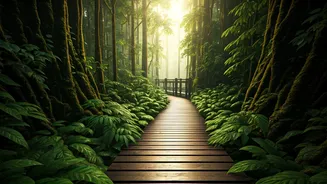


Kerala, India: The Emerald Embrace
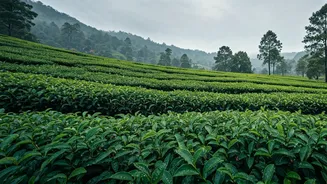
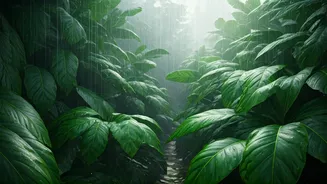
Locals in Kerala don't just endure the monsoon; they celebrate it. From June to September, India’s southwestern coast transforms into a breathtaking watercolor painting. The famous backwaters, a network of serene lagoons and canals, swell with life. Imagine
drifting on a traditional houseboat, the rhythmic patter of rain on the thatched roof as your soundtrack, watching the world turn a thousand shades of impossible green. This is also the best time for Ayurveda, the ancient Indian system of wellness. The moist, cool air is believed to open the pores, making traditional oil massages and treatments more effective. Forget the sweltering heat and tourist throngs of peak season; the monsoon offers a Kerala that is quiet, contemplative, and deeply rejuvenating.
Chiang Mai, Thailand: Waterfalls and Misty Mountains
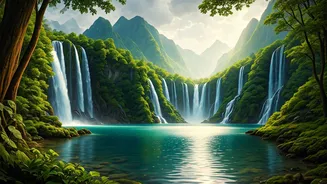
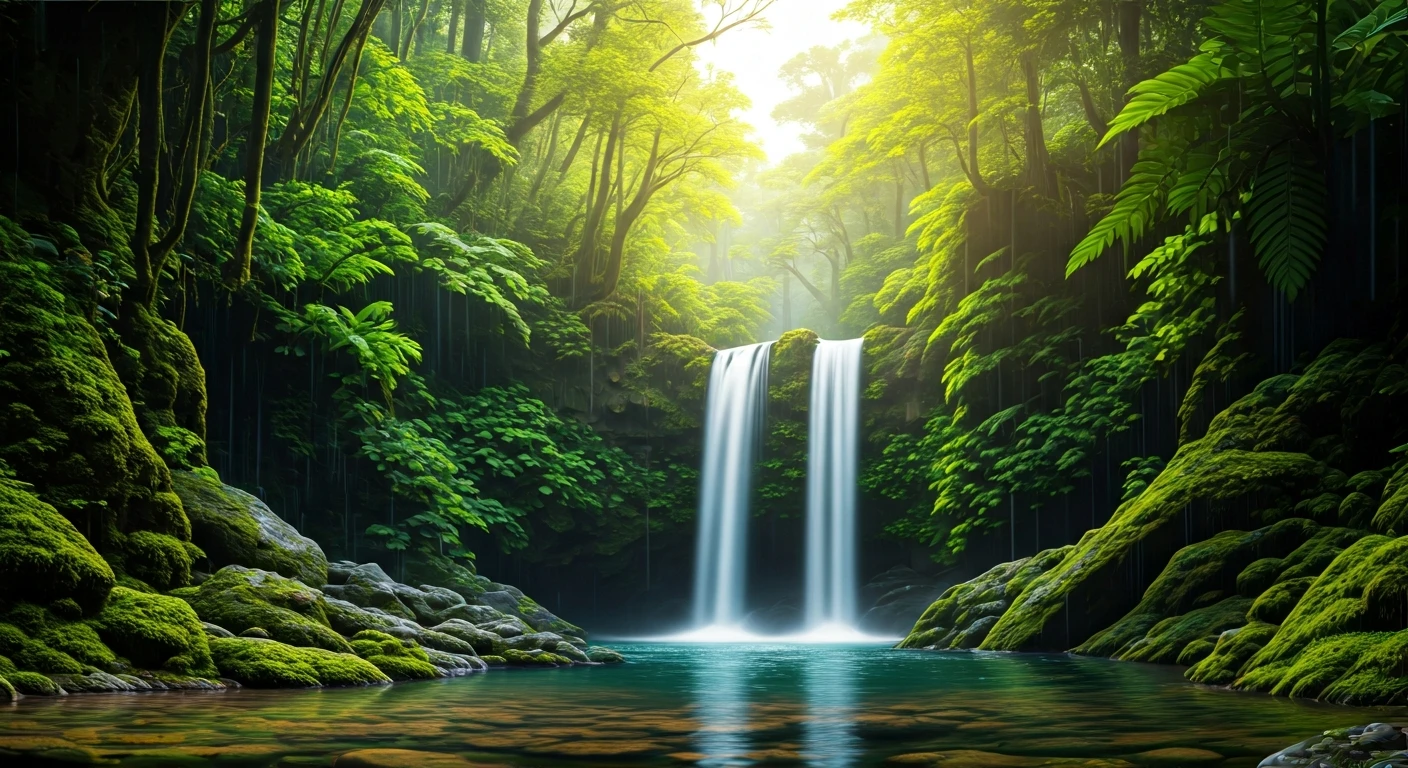
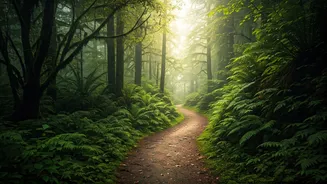
While Thailand’s southern islands can be unpredictable during the rainy season, the northern city of Chiang Mai offers a different kind of allure. The seasonal rains bring the surrounding mountains and national parks to their absolute peak. Waterfalls that are a mere trickle in the dry season become thundering cascades, and the landscape is cloaked in a romantic, low-hanging mist. It’s the perfect time for hiking through lush forests to remote hill-tribe villages or visiting Doi Suthep temple when the clouds part for a spectacular view over the rain-washed city. The tourist crowds thin out, giving you space to explore the city’s ancient temples, cozy cafes, and bustling markets at a more relaxed, local pace. The rain rarely lasts all day, typically arriving in intense, predictable afternoon downpours, leaving mornings clear and fresh.
Luang Prabang, Laos: The Soul of the Mekong
There is perhaps no place more atmospheric during the green season than Luang Prabang. This UNESCO World Heritage city, nestled at the confluence of the Mekong and Nam Khan rivers, slows to a soulful rhythm under the monsoon clouds. Mornings are often misty and magical, with the saffron-robed monks’ daily alms-giving ceremony taking on an ethereal quality. The famed Kuang Si Falls, a multi-tiered turquoise wonder, is at its most powerful and dramatic. The surrounding rice paddies become a patchwork of vibrant green, and the air is filled with the scent of damp earth and blooming frangipani. It's a time for ducking into a riverside café to watch the Mekong flow, taking a Lao cooking class, or simply embracing the unhurried pace of a city drenched in beauty and tranquility.
Ubud, Bali: A Spiritual Retreat
Bali's rainy season gets a bad rap, but savvy travelers know its secret: the magic moves inland. While beach clubs might be quieter, the island's spiritual heart, Ubud, thrives. The iconic rice terraces of Tegalalang are at their most verdant and photogenic, creating a stunning emerald amphitheater. The rain is a welcome excuse to dive into Ubud’s world-class yoga studios, wellness spas, and meditation centers for a fraction of the high-season price. Picture yourself in an open-air yoga shala, the sound of a tropical downpour providing the ultimate meditative backdrop. The downpours are usually short and intense, clearing the air and making the evenings cool and comfortable—perfect for enjoying the town’s incredible culinary scene.
The Western Ghats, India: A Hiker's Paradise
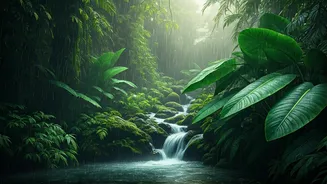
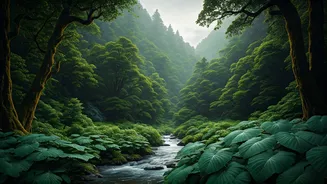
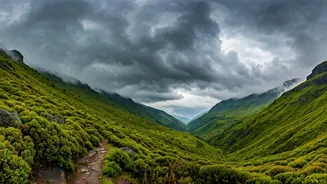
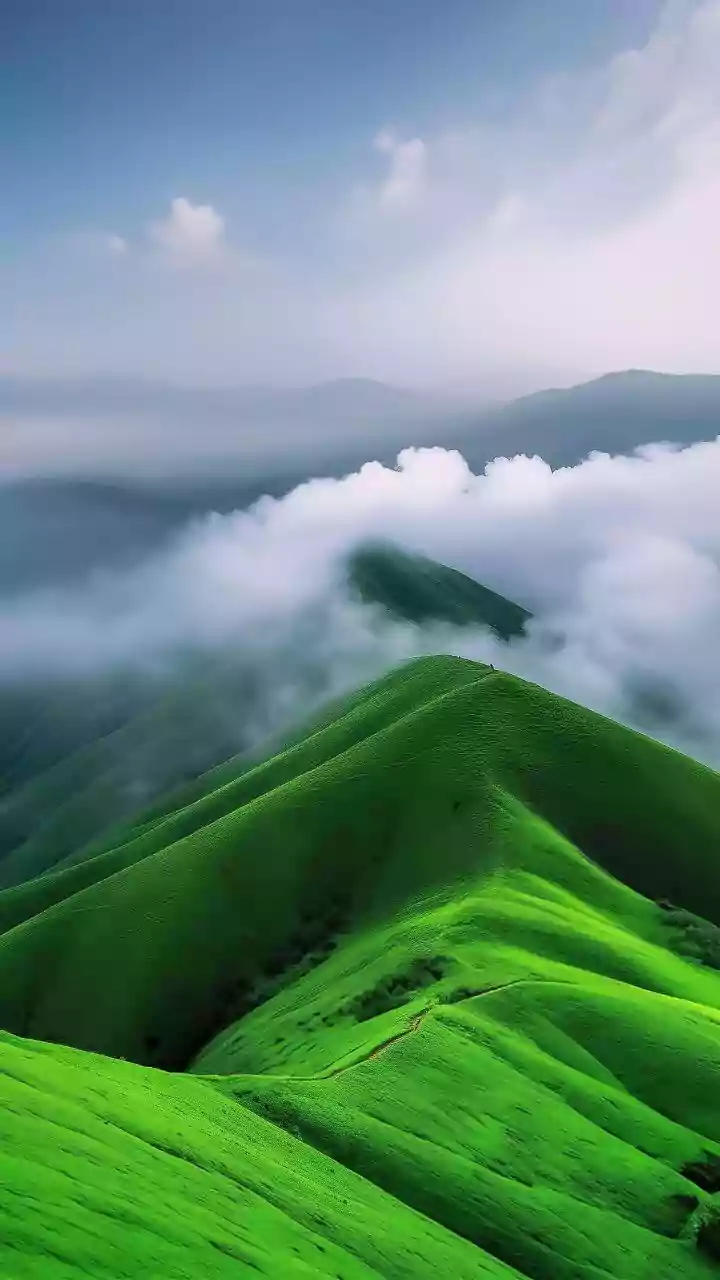
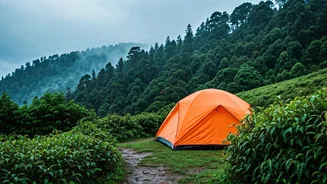
For the truly adventurous, the monsoon turns the Western Ghats—a mountain range running parallel to India's western coast—into a wild, dramatic paradise. Spanning states like Maharashtra and Karnataka, this biodiversity hotspot erupts in life. Brown hillsides transform into carpets of green, dotted with thousands of wildflowers. Hidden waterfalls appear around every bend, and ancient forts perched on misty cliffs look like something out of a fantasy novel. It's the prime season for trekking, with trails leading through clouds and rain-soaked forests. This isn't a trip for the sun-lounger crowd; it’s an immersive, sensory experience for those who find beauty in dramatic skies, the raw power of nature, and the thrill of exploring a landscape at its most alive.