

More Than Just a Tourist Attraction
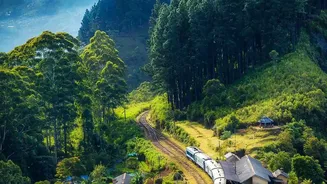
For generations, India's mountain railways, like the famous ones in Darjeeling, Shimla, and the Nilgiris, were seen primarily as marvels of engineering designed to delight tourists. While they continue to be major tourism drivers, their role is undergoing
a significant transformation. In an era of rapid urbanisation, these slow, steady modes of transport are proving indispensable for the very communities they pass through. They are becoming crucial arteries for local economies, connecting remote villages, enabling small businesses to thrive, and ensuring daily life can continue in regions where conventional transport is a challenge. This shift redefines their value from seasonal attractions to year-round pillars of community support.
A Lifeline for Hill Communities
In the steep terrains of the Himalayas and the Western Ghats, roads can be treacherous and prone to disruption. Here, the slow-moving toy trains are not just for joyrides; they are a reliable means of daily commute for residents. The Kalka-Shimla Railway, a UNESCO World Heritage site, connects numerous small villages along its 96-kilometre route, allowing people to travel for work, education, and access to essential services in larger towns like Shimla. Similarly, the Darjeeling Himalayan Railway, first built to transport tea, now serves as a vital link for local trade and passenger movement, contributing significantly to the regional economy. An official from the Darjeeling railway noted that the rise in tourism and consistent operation creates numerous job opportunities, providing a major economic boost to local residents and small businesses.
Boosting Local Businesses and Crafts
The steady stream of travellers on these scenic routes creates a captive market for local entrepreneurs. The stations along the Nilgiri Mountain Railway, for example, are hubs of economic activity. Local vendors sell snacks, tea, and handmade souvenirs, earning a livelihood directly from the railway's operation. This direct economic impact is vital. Rail tourism stimulates growth by providing employment and encouraging the development of hospitality services around stations. By bringing tourists to regions that were previously off the conventional map, these railways support rural economies and help in the preservation and promotion of local culture, from handicrafts to regional cuisine.
The Modern Evolution: Ropeways as Urban Transit
The principle of using scenic transport to solve local problems is now being applied in modern urban settings. In congested cities, ropeways, or cable cars, are emerging as a serious solution for public transportation. Varanasi is set to become the first city in India to use a ropeway system for public transit, aiming to ease traffic jams and provide a quick link for pilgrims and locals to key areas like the Kashi Vishwanath Temple. This system, inspired by similar successful projects in cities like La Paz, Bolivia, demonstrates a forward-thinking approach to mobility. By transporting people above ground, ropeways can significantly reduce road congestion, lower emissions, and offer an efficient and scenic way to travel, proving that the future of public transport can also be beautiful.
Sustaining the Momentum
For these scenic transport networks to continue serving their dual purpose, they require consistent investment and vision. The costs of maintaining heritage infrastructure, especially century-old railway lines, are substantial. However, the economic and social returns are immense. The success of the Darjeeling Himalayan Railway, which has seen significant growth in revenue and passenger numbers, shows that prioritizing premium heritage experiences can drive a local economy forward. For both historic railways and modern ropeways, the key to relevance is integration. By blending the needs of tourism with the daily requirements of the local population, these transport systems can secure a sustainable future, ensuring they remain not just monuments to the past, but vital engines of progress.