



A Devastating End to the Monsoon
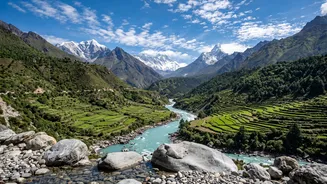
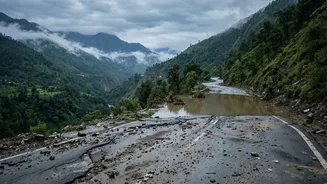
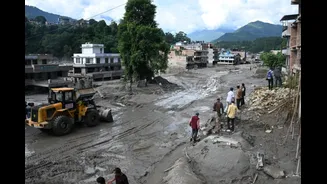
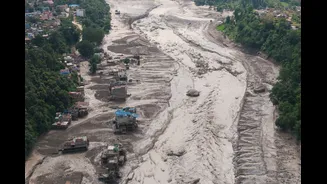
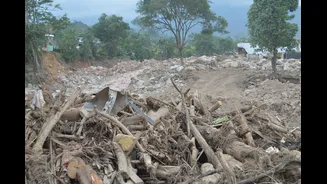
Travellers planning a September trip must be aware of the catastrophic flash flood that occurred on August 26, 2026. A massive glacial collapse near the Nepal-China border sent a torrent of water, rock, and ice down the Bhote Koshi River, causing widespread
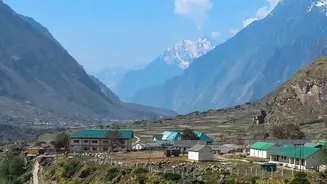
destruction in the Rasuwa, Nuwakot, and Dhading districts. The disaster, which registered a force equivalent to a magnitude 5.2 earthquake, swept away entire settlements, destroyed major roads and bridges, and has tragically resulted in hundreds of deaths with thousands more missing, including foreign tourists. This event has severely impacted key infrastructure, including the main road from Betrawati to the Rasuwagadhi border crossing, a vital trade and tourist route. Authorities have declared the affected areas as disaster crisis zones and continue to warn of ongoing risks.
Understanding the September Shoulder Season
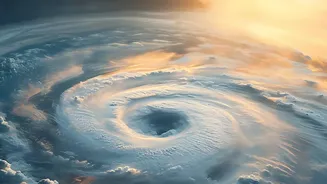
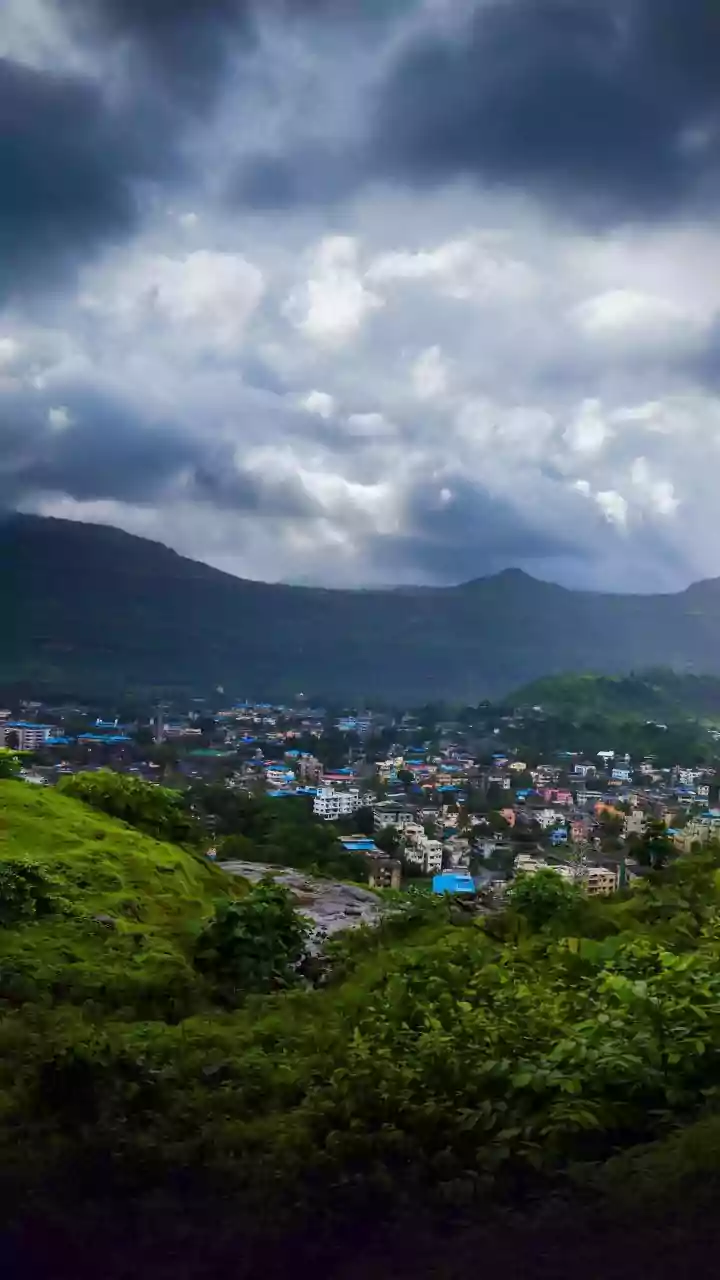
Nepal's monsoon season typically runs from mid-June to late September. While July and August are the wettest months, September is a transitional period. The rains become more intermittent, and the clouds begin to part, but the danger isn't over. The ground is saturated, rivers are swollen, and the risk of landslides and floods remains high, particularly in the early part of the month. This year, ongoing heavy rainfall has compounded the situation, with meteorologists forecasting more rain in the flood-affected provinces, which could hamper rescue efforts and trigger secondary disasters. Several international governments have issued travel advisories, urging citizens to reconsider travel to the specific districts impacted by the floods, including Rasuwa, Nuwakot, and Dhading.
How to Stay Informed and Plan Safely
Given the current situation, staying updated is non-negotiable. Before and during your trip, make it a daily habit to check official sources. The primary authority is Nepal’s Department of Hydrology and Meteorology (DHM), which provides real-time river watch data and weather forecasts. International travel advisories, such as those from the UK and Australian governments, also provide current risk assessments. It's crucial to work with a reputable local travel or trekking agency. They have on-the-ground knowledge of trail and road conditions that you won't find online. A good guide will know which routes are safe and when to turn back. Flexible travel plans are essential. Book flights and accommodation that allow for changes, and purchase comprehensive travel insurance that explicitly covers trip cancellations, medical emergencies, and helicopter evacuation, especially if you plan on trekking.
Safer Travel Alternatives in September
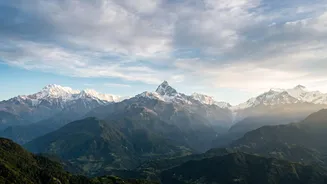
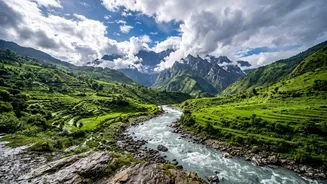
While some areas are currently unsafe, much of Nepal remains accessible. The key is to choose your destinations wisely. The regions directly affected by the August 26 flood, particularly the Trishuli River corridor and areas in Rasuwa district like Timure and Syabrubesi, should be avoided. Consider focusing your trip on the Kathmandu Valley, with its rich cultural heritage sites, or Pokhara, known for its beautiful lakes and as a gateway to the Annapurnas. For trekkers, the rain-shadow regions of Upper Mustang and parts of the Annapurna circuit receive significantly less rainfall and are generally considered safer monsoon-season treks. Short, lower-altitude treks around the Kathmandu Valley or Pokhara, such as to Ghandruk or Dhulikhel, can also be rewarding as the air clears and the landscapes turn a vibrant green. Always confirm the status of trails and road access with a local operator before setting out.
Your Pre-Travel Safety Checklist
Before you finalise any plans for a trip to Nepal this September, run through this essential checklist: Monitor Official Updates: Regularly check Nepal's Department of Hydrology and Meteorology and your home country's travel advisories for the latest on floods and safety. Consult Local Experts: Do not travel independently into remote areas. Hire a registered, experienced guide or book through a trusted tour company. Confirm Your Itinerary: Contact your trekking company or hotel to confirm that your intended route and destination are safe and accessible. Road closures are common. Buy Robust Insurance: Ensure your policy covers natural disasters, landslides, trip interruptions, and high-altitude medical evacuation. Pack for Wet Weather: Even as the monsoon recedes, expect rain. Bring high-quality waterproof gear, including a jacket, pants, and a backpack cover. Maintain Flexibility: Be prepared to change your plans at a moment's notice. A blocked road or a trail closure is a possibility you must plan for.