



What Makes A2 Ghee Different?
At its core, the difference between A2 ghee and regular ghee lies in the type of milk used. Most commercial milk comes from hybrid cow breeds that produce a mix of A1 and A2 beta-casein proteins. A2 ghee, however, is made exclusively from the milk of indigenous
Indian cow breeds like Gir and Sahiwal, which naturally produce only the A2 protein. This distinction is more than just a name; the A2 protein is structured differently, making it easier for many people to digest. Some studies suggest that the A1 protein, when digested, can release a peptide called BCM-7, which has been linked to digestive discomfort and inflammation in sensitive individuals. A2 milk protein digests more smoothly, which is why many who experience issues with regular dairy find A2 ghee to be a gentler option.
The Art of Wood-Pressing and Bilona
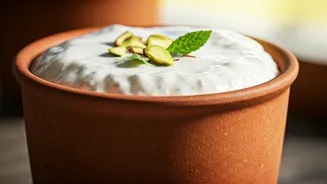
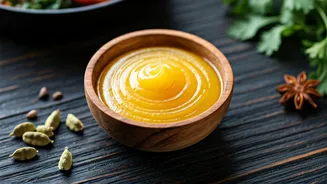
The term "wood-pressed" often refers to the traditional 'Bilona' method of making ghee. This ancient, artisanal process is slow and meticulous, ensuring maximum nutrient retention. It begins with boiling fresh A2 milk, cooling it, and setting it into curd overnight. This probiotic-rich curd is then churned, typically with a wooden churner called a 'bilona', which separates the butter (makkhan) from the buttermilk. Using a wooden churner is key, as it avoids the high heat of industrial machines and keeps the structure of the fats intact. Finally, the collected butter is slow-cooked over a low flame, often in earthen or brass pots, until the water evaporates and the pure, golden ghee is left behind. This gentle heating process develops a rich, nutty aroma and preserves fat-soluble vitamins like A, D, E, and K.
A Superior Choice for High-Heat Cooking
One of the most practical benefits of A2 ghee in the kitchen is its high smoke point, which is around 250°C (482°F). This is significantly higher than butter and many common cooking oils. When oils are heated past their smoke point, they begin to break down, releasing harmful free radicals and creating a burnt, acrid taste. Ghee's stability at high temperatures makes it perfect for all kinds of Indian cooking, from a sizzling tadka for dal to deep-frying puris and pakoras. It allows you to achieve a perfect sear on meats or a golden-brown crispness on vegetables without the risk of burning, all while locking in moisture and flavour.
Transforming Everyday Comfort Dishes
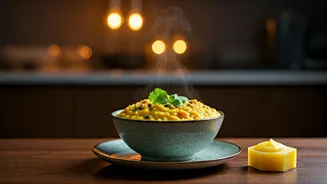
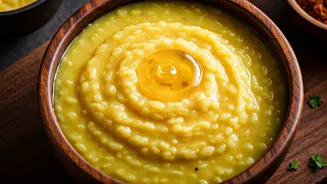
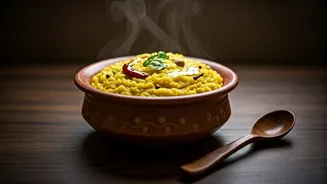
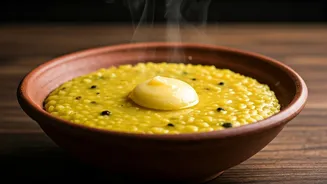
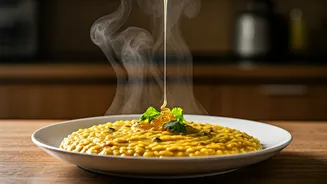
A spoonful of wood-pressed A2 ghee can completely transform a simple dish. Consider the humble dal tadka; blooming spices in A2 ghee at the end creates a fragrant, flavourful finish that coats every lentil. The same goes for khichdi, where a final drizzle of ghee adds a comforting richness that is both delicious and aids digestion. When making parathas or rotis, using A2 ghee instead of oil not only prevents sticking but also results in a softer texture and a wonderful, nutty aroma. Don't limit it to Indian cuisine—try tossing roasted vegetables in ghee for a caramelised finish, spreading it on toast, or melting it over popcorn for an elevated snack. Even classic dishes like mashed potatoes become creamier and more flavourful with a dollop of ghee.
More Than Just Flavour
Beyond its culinary prowess, traditional A2 ghee is valued in Ayurveda for its health-supporting properties. It is rich in butyric acid, a short-chain fatty acid that helps nourish the cells of the gut lining and supports digestive health. Being a good fat, it also helps the body absorb fat-soluble nutrients from other foods. Furthermore, ghee made from the milk of grass-fed desi cows is a source of Omega-3 fatty acids, which are beneficial for heart and brain health. Its profile of vitamins and antioxidants contributes to a stronger immune system, making it a wholesome addition to a balanced diet.