






The Carbon Cost of Your Plate
Before a meal reaches your table in India, its ingredients have travelled through a complex and often lengthy supply chain. Traditionally, produce moves from a farmer to a local mandi, then to a larger wholesale market, a distributor, a retailer, and finally
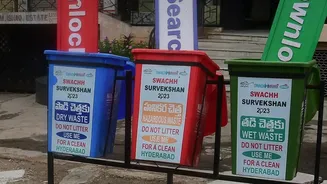
to your kitchen. This multi-step journey has a hidden environmental price tag. Each stage involves transportation, which burns fossil fuels and releases carbon dioxide. More significantly, this long and fragmented system leads to enormous post-harvest losses. It is estimated that up to 40% of food produced in India is wasted before it even reaches a consumer. This wastage isn't just an economic or social tragedy; it's a climate disaster. Food rotting in landfills releases methane, a greenhouse gas far more potent than carbon dioxide. The entire process—from powering cold storage to fuel for trucks—contributes to the carbon footprint of our food.
Enter Farm-to-Fork: A Shorter, Greener Path
The theme for World Food Day 2026 is 'Innovate today. Nourish tomorrow', a call to use new ideas to build a more sustainable food future. The farm-to-fork model is a perfect example of this innovation in action. At its core, farm-to-fork, or farm-to-table, is about drastically shortening the supply chain. By creating a more direct link between the producer (the farmer) and the end consumer, this model cuts out many of the carbon-intensive intermediate steps. This can take many forms: farmers selling directly to restaurants, consumers buying through digital platforms that source from farms, or retailers procuring straight from agricultural collectives. The goal is the same: to move food more efficiently, reducing transit time, handling, and potential for spoilage.
How Exactly Does This Cut Carbon?
The environmental benefits are significant and come from several key areas. First, 'food miles' are drastically reduced. Less distance travelled means less fuel consumed and lower transport-related emissions. Second, and perhaps most importantly, is the reduction in food waste. With a shorter and more responsive supply chain, perishable goods like fruits and vegetables spend less time in transit and storage, reaching the consumer fresher and faster. This directly cuts down on the amount of produce that spoils and ends up in landfills, thereby reducing methane emissions. Third, modern farm-to-fork logistics rely on technology. Efficient cold chains, which are crucial for perishables, can be managed more effectively, using AI-powered route optimisation and solar-powered storage units to ensure energy is used wisely.
The Agritech Revolution Fuelling the Change
This shift is being powered by a wave of AgriTech startups across India. Companies like Ninjacart and CropIn are creating digital platforms that connect farmers directly to businesses and retailers, ensuring better prices for farmers and fresher produce for consumers. Others are focusing on specific parts of the chain. Stellapps, for example, has digitized the dairy supply chain, using IoT sensors to monitor everything from milk quality to cold storage, reducing spoilage significantly. Startups are also introducing innovations like smart warehousing and AI-powered quality assessment, which further enhance efficiency and reduce losses. These tech-driven solutions are not only cutting carbon but also making the entire food system more resilient and transparent.
More Than Just an Environmental Win
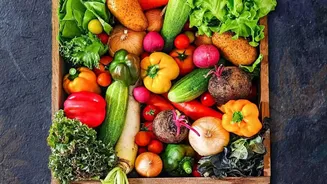
The benefits of a streamlined farm-to-fork system extend beyond carbon reduction. By cutting out intermediaries, farmers often receive a larger share of the final price, boosting their income and economic stability. Consumers, in turn, get access to fresher, higher-quality produce, often with better traceability, meaning they know exactly where their food comes from. This shift also encourages the procurement of local produce, supporting regional economies and promoting agricultural diversity. By making the food system more efficient, we also enhance national food security, ensuring that more of what we grow successfully nourishes our population.